Acral Lentiginous Melanoma Signs and Diagnostic Delays
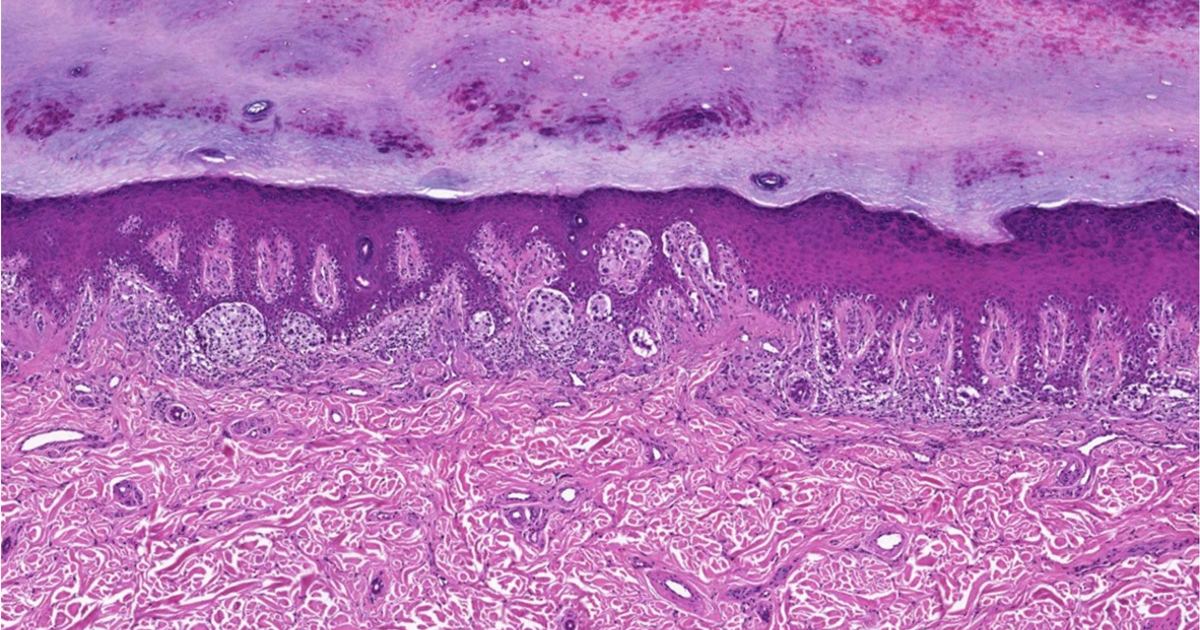
Acral lentiginous melanoma is a rare, malignant tumor found on the distal limbs, including the hands and feet. Because it frequently goes undetected until advanced stages, it carries one of the worst prognoses among melanoma variants. Understanding how this condition presents compared to standard expectations can help individuals spot potential warning signs and consult a doctor without delay.
Comparing Structural Changes to Classic Pigment Shifts
Public health education often emphasizes pigment irregularity when teaching people about skin cancer through the ABCDE mole check. However, evidence from a retrospective study titled Acral lentiginous melanoma: A retrospective study. published in the Journal of Cosmetic Dermatology in 2021 indicates that physical disruption and size changes were among the most frequently disclosed signs.
In this investigation of patient medical records and phone interviews, the researchers documented the frequency of several presenting features reported by individuals diagnosed with the condition:
- Bleeding: reported by 41.9% of patients
- Size greater than 6 mm: reported by 41.9% of patients
- Change in size: reported by 37.2% of patients
- Change in shape: reported by 30.2% of patients
- Rise above the surface of the skin: reported by 27.9% of patients
- Change in color: reported by 20.9% of patients
- Irregular borders: reported by 16.3% of patients
- Inflammation: reported by 16.3% of patients
When comparing these numbers, bleeding and growing beyond a diameter of 6 mm occurred twice as frequently as irregular borders or localized inflammation. Furthermore, subjective color changes were noted by only 20.9% of individuals, illustrating that physical elevation, expanding dimensions, and bleeding are critical manifestations to monitor on distal skin.
Patient Delays Versus Physician Recognition Timelines
Diagnostic delay represents a major obstacle in managing this condition. The study showed substantial gaps between when an individual noticed a spot and when a physician performed a biopsy. Delays stemmed from both patient hesitation and diagnostic challenges during initial clinical exams.
When examining how long patients waited to pursue medical evaluation after noticing a lesion:
- Only 7 patients sought medical attention in the first 3 months.
- 21 patients sought care between 3 months and one year from the appearance of the lesion.
- The remaining 15 patients waited more than a year before seeing a clinician.
Even after presenting to a healthcare office, procedural delays occurred. Although the first healthcare professional consulted was a general practitioner or a dermatologist in 88.3% of cases, only 44.2% of patients were referred for a biopsy by that initial clinician. An additional 30.3% had to see a second physician before receiving a biopsy referral.
Regarding procedure timing from the initial consultation:
- 14 patients underwent biopsy within 1 month from their first appointment.
- 20 patients underwent biopsy within 3 months.
- 9 patients had their biopsy performed within 6 months.
Study Design, Sample Size, and Limitations
When assessing these findings, readers must keep the research design and its boundaries in perspective. The 2021 paper by researchers in the Journal of Cosmetic Dermatology was a single retrospective study. It relied on historical medical records alongside retrospective phone interviews, methods that are vulnerable to recall bias.
Furthermore, the investigation evaluated a total of only 43 patients. Because this cohort is relatively small and comes from a single study dataset, the percentages should not be generalized as universal constants for all populations. Nonetheless, the findings clearly document that neither patients nor clinicians consistently recognized early warning signs, highlighting why diagnostic delays remain prevalent.
Consulting Medical Professionals for Unusual Skin Spots
Distal lesions on the palms, soles, or under the nail apparatus are easily overlooked or misjudged. Understanding that acral malignancies belong to distinct types of skin cancer underscores the need for vigilant monitoring. Because unregulated tanning substances or online melanotan products carry unknown risks and lack regulatory approval, maintaining skin health requires evidence-based vigilance rather than unproven self-treatments.
If you discover an expanding spot, persistent bleeding, elevation above the surface, or an irregular mark on your palms or soles, schedule a clinical examination with a dermatologist or general practitioner promptly. For further details on the retrospective dataset, review the complete publication indexed on PubMed.
Sources
- Acral lentiginous melanoma: A retrospective study. (PubMed / Journal of Cosmetic Dermatology)
Published October 31, 2026. Sources are linked in the text. See our Medical Disclaimer.