Actinic Keratosis: Why Precancerous Spots Need Clinical Care
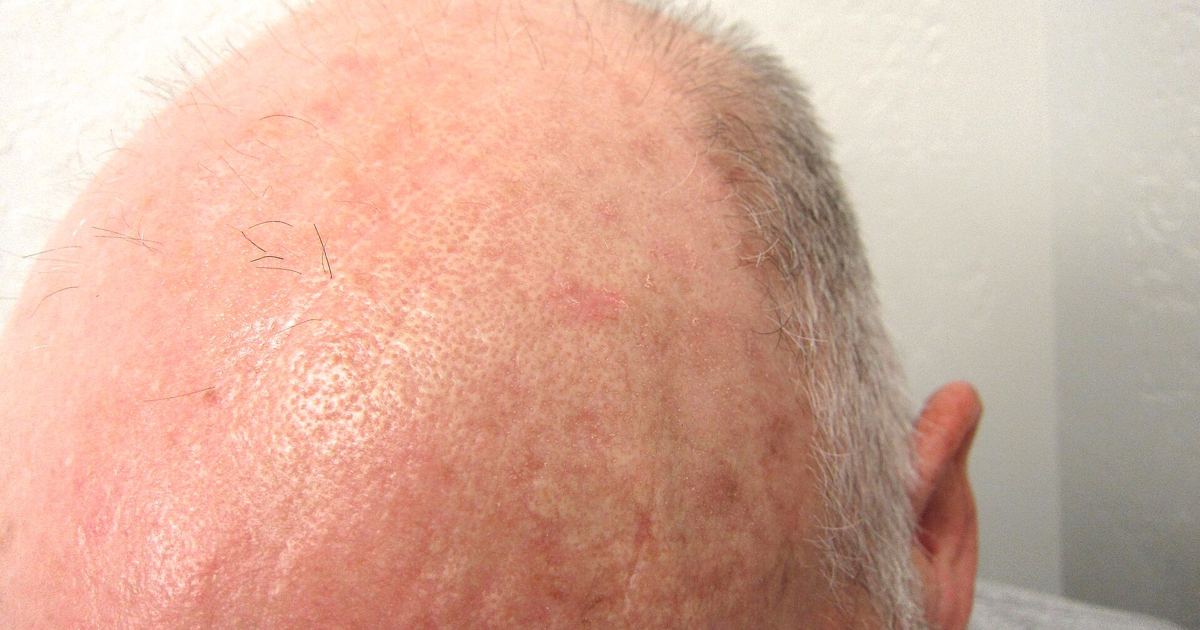
Actinic keratosis, commonly known as solar keratosis, is the most frequent precancerous growth that develops on skin exposed to chronic ultraviolet radiation. While a rough patch might initially seem like minor irritation or dry skin, these lesions represent direct cellular damage from long-term UV exposure from the sun or indoor tanning devices. Understanding why these persistent spots require formal medical evaluation is essential, particularly because they serve as the primary precursor to invasive forms of skin cancer.
Clinical Presentation: Identifying the Warning Signs
An actinic keratosis typically presents as a small, dry, scaly, or crusty patch. Because of their coarse surface, these spots are frequently easier to detect by touch than by sight alone. When examined visually, they display considerable variation in color and elevation. Lesions may appear red, white, pink, light tan, dark tan, or flesh-toned, and some feature a mixture of these hues. While many remain flat, others become distinctly raised.
The widespread nature of this condition is documented by clinical data. As detailed by The Skin Cancer Foundation's actinic keratosis guide, an estimated 58 million Americans have one or more actinic keratoses. This high prevalence reflects accumulated lifetime exposure to UV radiation across diverse populations.
The Malignant Transformation: The Link to Squamous Cell Carcinoma
The primary concern regarding an actinic keratosis is its potential for malignant conversion. According to published data, approximately 5-10 percent of actinic keratoses progress into skin cancer. Although that single-digit percentage may appear modest, the broader clinical context is critical: the vast majority of squamous cell carcinomas begin directly as actinic keratoses.
When an actinic keratosis evolves into squamous cell carcinoma, it transitions from a superficial precancer into a malignant tumor. If left untreated, squamous cell carcinoma can become invasive and even life-threatening. Furthermore, because actinic keratoses indicate sustained underlying UV injury, having one lesion means an individual is likely to develop more actinic keratoses over time, substantially elevating their lifetime risk for invasive disease.
High-Exposure Anatomical Sites and Regional Risks
Actinic keratoses arise most frequently on areas of the body that receive regular, direct exposure to sunlight. Common anatomical distribution sites include:
- The face, ears, and scalp
- The neck and shoulders
- The back of the hands and forearms
- The lower lip, where the condition manifests as a specific subtype termed actinic cheilitis
Early identification is vital across all anatomical sites, but prompt care is particularly urgent when lesions form on the head or neck. Malignant tumors arising in these locations often behave more aggressively, making timely evaluation by a dermatologist indispensable.
The Role of Clinical Diagnosis and Professional Treatment
Because precancerous lesions share visual traits with benign rough spots as well as established malignancies, individuals should never attempt self-diagnosis or non-clinical removal methods. Dermatologists possess the specialized diagnostic tools necessary to differentiate an early actinic keratosis from an already invasive carcinoma. Once properly diagnosed, early lesions can be clinically treated before they complete malignant transformation.
It is equally important to avoid unregulated online products, such as illegal melanotan formulations or unapproved tanning compounds, which lack medical oversight, offer no therapeutic benefit for precancers, and expose users to serious unknown health hazards. Suspect skin changes should always be managed through direct consultation with a qualified medical doctor.
Essential UV Defense and Prevention Protocols
Halting the accumulation of further UV damage is the most effective approach to reducing the development of new actinic keratoses. As highlighted by The Skin Cancer Foundation, effective protection requires consistent daily habits:
- Seek shade whenever spending extended time outdoors.
- Apply broad-spectrum sunscreen every day, even when skies are overcast.
- Wear sun-protective clothing, wide-brimmed hats, and UV-blocking eyewear.
- Completely avoid sunburns and eliminate indoor tanning entirely.
Sources
The Skin Cancer Foundation: Actinic Keratosis
Published October 30, 2026. Sources are linked in the text. See our Medical Disclaimer.