Afamelanotide and Darkened Gums: Myths vs. Medical Evidence
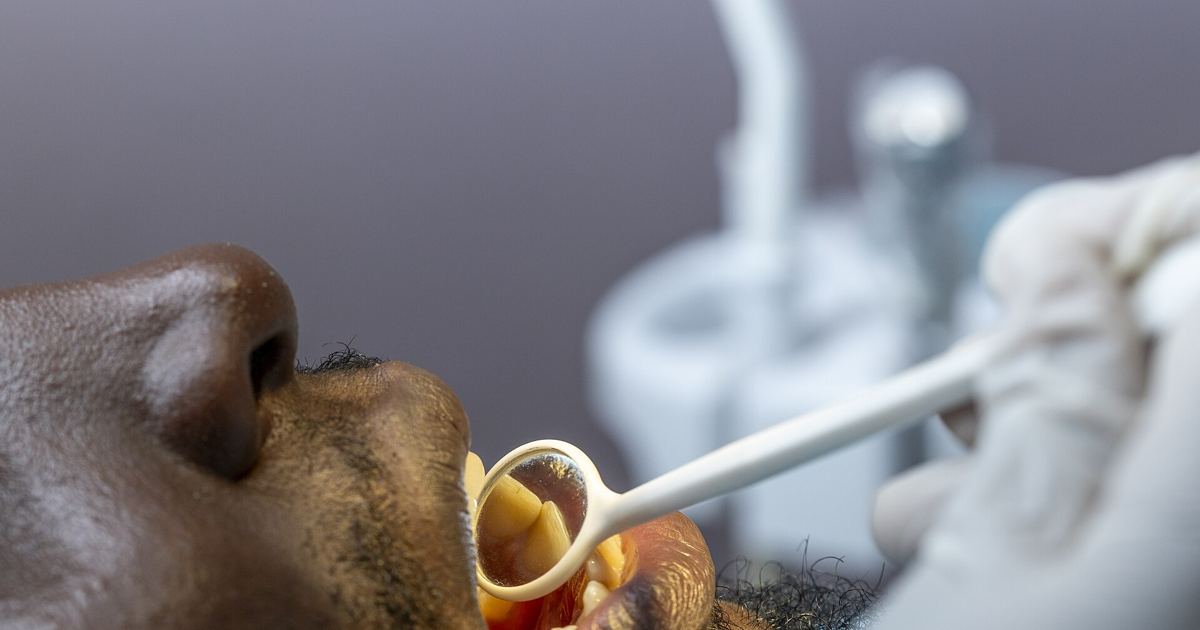
When discussing synthetic melanocortin analogues, conversation usually centers on skin color changes. However, systemic compounds can alter pigmentation in unexpected areas of the body, including the mouth. Research has identified hyperpigmentation of the gums and oral mucosa as an unintended clinical outcome. Separating myths from documented clinical findings helps clarify what medical professionals actually observe when these substances are introduced into the body.
Myth 1: Afamelanotide Only Alters the Pigment of the Skin
The Evidence: Afamelanotide is an analogue of endogenous α-melanocyte-stimulating hormone that promotes cutaneous pigmentation to offer protection from sunlight. However, its effects are not confined strictly to the exterior skin surface. A 2020 journal article published in the Nederlands tijdschrift voor tandheelkunde points out that hyperpigmentation of oral soft tissues is a documented adverse effect mentioned in the scientific literature.
Oral soft tissues, including the gums and mucosal linings of the mouth, can develop noticeable darkening alongside dermal changes. Because the drug activates pigment pathways throughout bodily tissues rather than acting as a targeted cosmetic cream, oral healthcare providers have been advised that dental patients may present with unexpected pigmentation inside the mouth after exposure to the substance.
Myth 2: Oral Discoloration Is Confirmed by Extensive Clinical Trials
The Evidence: While the occurrence is noted in medical literature, readers should understand the design and limits of the available data. The primary publication discussing this dental consideration is a single journal article from 2020 in the Nederlands tijdschrift voor tandheelkunde. This paper is not a massive, multi-center prospective trial designed specifically to measure oral tissue rates; rather, it is a focused review article alerting practicing dentists to recognize oral soft tissue hyperpigmentation caused by afamelanotide.
Because it is an advisory paper highlighting existing reports, clinicians caution against overstating the scope of this single publication. It demonstrates that the phenomenon exists and warrants professional awareness, but it does not represent an exhaustive quantitative trial establishing exact incidence rates across all patient populations. You can read more about how this substance compares to unapproved peptides in our overview of Afamelanotide (Scenesse): The Approved Melanotan Relative.
Myth 3: Tanning Agents Carry Only Mild, Cosmetic Complications
The Evidence: The 2020 review emphasizes that afamelanotide is sought for non-medical use to realize quick and easy skin tanning, but non-prescribed use exposes individuals to severe clinical risks. In addition to darkened oral tissues, the scientific literature documents several serious complications:
- Development and aggravation of melanocytic naevi (moles)
- Degeneration of melanocytic naevi to melanomas
- Melanonychia (pigmentation of the nail bed)
- Systemic toxicity
- Rhabdomyolysis
- Posterior reversible encephalopathy syndrome
- Priapism
Furthermore, pharmacovigilance agencies have recorded significant concerns. Numerous adverse effects of afamelanotide have been reported to the Netherlands pharmacovigilance centre LAREB. In addition, numerous adverse effects stemming from overdosage have been formally reported to the National Poisons Information Centre. For a wider perspective on documented issues, see our summary of Melanotan Side Effects Reported in Medical Journals.
Myth 4: Afamelanotide Has No Legitimate Dermatological Applications
The Evidence: While unregulated tanning products pose severe health dangers, afamelanotide itself was researched for legitimate medical treatment. In the field of dermatology, afamelanotide seems to establish therapeutic results for several specific conditions:
- Erythropoietic protoporphyria
- Polymorphic light eruption
- Solar urticaria
- Hailey-Hailey disease
- Vitiligo
- Acne vulgaris
These applications involve strict clinical supervision to balance therapeutic benefits against known adverse reactions. Outside of controlled clinical therapy, non-medical consumption removes vital medical oversight, compounding the danger of toxicity and overdose.
What Dental and Medical Professionals Advise
The 2020 dental review concludes with a direct warning: dentists should be alert to hyperpigmentation of oral soft tissues due to afamelanotide. If dark patches suddenly appear on the gums, palate, or inner cheeks, individuals should immediately consult a doctor, dermatologist, or dental specialist rather than assuming the discoloration is harmless. A medical professional must evaluate any tissue darkening to rule out serious underlying conditions, assess drug-related toxicity, and monitor overall health.
Sources
Published October 28, 2026. Sources are linked in the text. See our Medical Disclaimer.