Afamelanotide and Immune Response: Antibody Formation FAQ
When synthetic peptide drugs are administered over extended intervals, clinicians closely monitor whether the body's immune system identifies the molecule as foreign and forms neutralizing proteins against it. Because afamelanotide is an analogue of alpha-melanocyte-stimulating hormone (α-MSH), researchers have examined whether therapeutic use triggers anti-drug antibodies against the therapy itself or natural hormones. Understanding these clinical trial outcomes provides essential context for those researching melanocortin treatments like afamelanotide (Scenesse) and highlights the difference between regulated medicine and unverified chemicals.
Why Is Immunogenicity a Concern with Peptide Therapies?
Synthetic peptides administered repeatedly over prolonged periods carry a theoretical risk of inducing anti-drug antibodies (ADAs). When ADAs form, they may attach to the active drug, potentially reducing its effectiveness or modifying clearance rates. Furthermore, because afamelanotide functions as an α-MSH agonist, scientists must evaluate whether any immune response cross-reacts with the body's naturally occurring α-MSH, a hormone involved in stimulating eumelanin production in the skin.
How Did Researchers Test for Anti-Drug Antibodies?
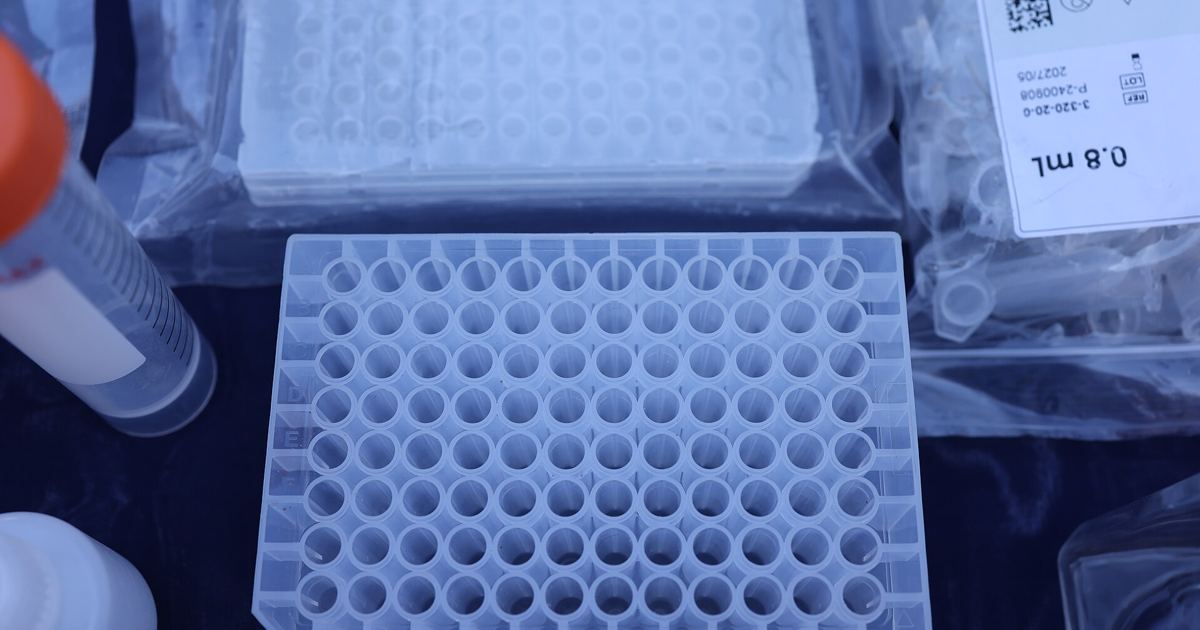
To accurately measure immune responses, clinical investigators developed a dedicated enzyme-linked immunosorbent assay (ELISA). As detailed in clinical trial research indexed on PubMed (PMID 25402764), this method was engineered to detect antibodies against both afamelanotide and natural α-MSH.
The methodology incorporated several technical controls to ensure reliable detection:
- Covalent Binding: Investigators used covalent binding instead of standard absorption of the antigen onto microtitre wells. This step prevented antigen leakage and allowed extensive washings, resulting in a lower background signal.
- Cut-Off Determination: The team established a defined threshold to distinguish between antibody-negative and antibody-positive sera.
- Specificity Testing: The specificity of the assay was verified by inhibiting the antigen-antibody reaction with excess soluble antigen.
- Documented Sensitivity: The ELISA demonstrated a sensitivity of 608 ng/ml for detecting specific antibodies against afamelanotide and 1,390 ng/ml for antibodies against α-MSH.
What Did Clinical Monitoring Reveal in EPP Patients?
The 2015 study, published in Skin Pharmacology and Physiology, evaluated patient sera collected during long-term clinical trials. The researchers analyzed 26 patients with erythropoietic protoporphyria (EPP) who had been treated with afamelanotide for durations of up to 6 years.
The monitoring yielded the following specific findings:
- No immunoreactivity was detected in 23 of the 26 patients exposed to the drug.
- Pre-existing immunoreactivity against both afamelanotide and α-MSH was identified in 3 patients before treatment began.
- In those 3 patients with baseline reactivity, antibody titres did not change during afamelanotide administration.
Based on these outcomes, the study authors concluded that afamelanotide did not elicit anti-drug antibodies during long-term administration in this cohort.
What Are the Inherent Limits of This Single Study?
Although the trial offers valuable safety data, it represents a single investigation and must be interpreted within its formal boundaries:
- Small Cohort: The investigation evaluated 26 patients. While typical for clinical studies involving rare conditions like EPP, larger datasets provide broader statistical power.
- Defined Diagnosis: The participants all carried a specific diagnosis of erythropoietic protoporphyria, meaning the results cannot be automatically generalized to different populations or off-label contexts.
- Regulated Formulations Only: The data evaluate a standardized pharmaceutical implant, meaning the conclusions do not apply to unverified, unapproved substances.
Why Does This Research Not Apply to Unregulated Tanning Peptides?
The immunogenicity profile established in controlled clinical trials cannot be applied to melanotan I or melanotan II products sold through online websites. Illicitly sold tanning peptides lack pharmaceutical oversight, sterile production standards, and quality verification. Those reviewing peptide research should consult the medical risks of unregulated tanning peptides and discuss any skin health questions directly with a board-certified dermatologist or doctor rather than using unapproved online products.
Sources
The data discussed in this FAQ are based on peer-reviewed clinical literature:
Published October 28, 2026. Sources are linked in the text. See our Medical Disclaimer.