Bacterial Engineering for Sunless Tanning: The DHA Fermentation Study
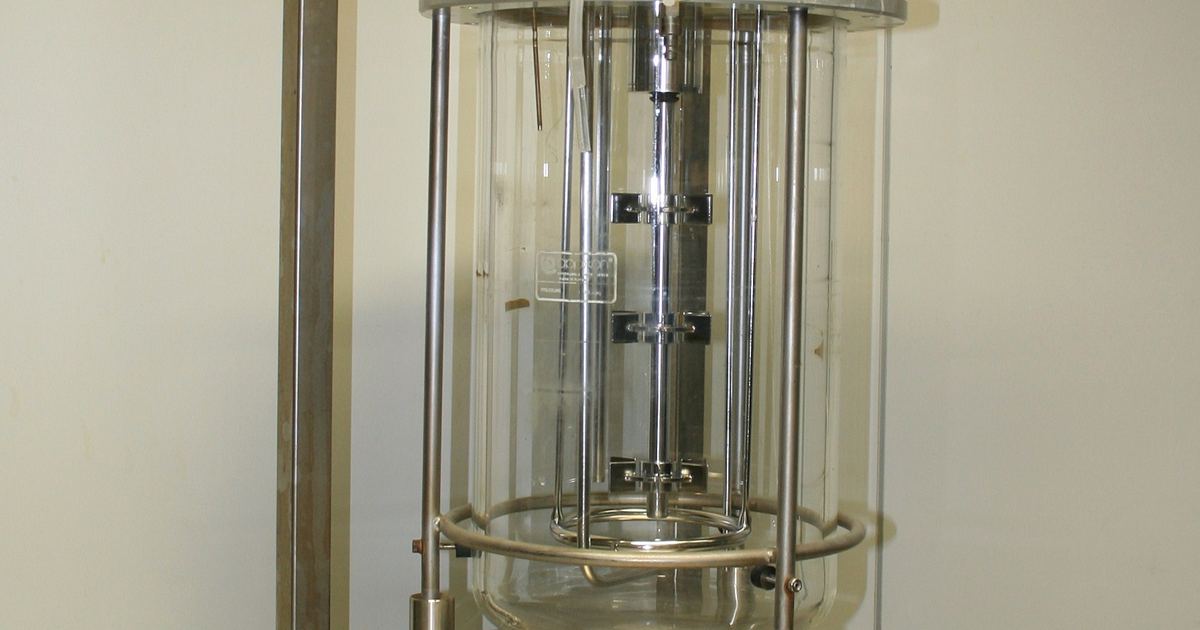
Dihydroxyacetone, commonly known as DHA, is widely recognized as the primary active tanning agent in cosmetic sunless tanning lotions. As consumer interest in sunless options grows alongside awareness of ultraviolet damage, researchers have explored greener biomanufacturing methods. In a laboratory study published in Enzyme and microbial technology, researchers explored how modern metabolic engineering can turn ordinary bacteria into efficient producers of this popular cosmetic compound.
Why Are Researchers Exploring Bacterial Fermentation for DHA?
In the cosmetic industry, dihydroxyacetone functions as an active ingredient in topical tanning lotions. Rather than depending entirely on traditional chemical synthesis routes, scientists have turned toward microbial fermentation as a potentially more sustainable option for the future. Fermentation platforms allow manufacturers to convert renewable feedstocks like glucose into high-value compounds using cellular machinery.
For individuals researching skin safety, topical formulations featuring DHA represent a non-systemic approach to darkening skin appearance. Unlike unapproved and unregulated peptides like melanotan I or melanotan II—which are frequently distributed online without regulatory quality controls or medical oversight—topical DHA acts purely at the surface layer. Exploring how this cosmetic agent is synthesized helps clarify the biotechnology underpinning modern sunless tanning alternatives.
How Did the Laboratory Re-Engineer the Bacterial Pathway?
According to the 2016 investigation indexed on PubMed, scientists genetically modified the bacterium Escherichia coli to synthesize DHA directly from simple glucose. Wild-type bacteria typically channel glucose into other central energy-generating pathways, meaning specific genetic interventions were required to divert resources toward the desired tanning compound.
The metabolic engineering strategy relied on several targeted genetic edits:
- Accumulating the Key Precursor: The researchers knocked out the E. coli triose phosphate isomerase gene, designated as tpiA. Removing this gene permitted the cell to accumulate dihydroxyacetone phosphate (DHAP), which serves as the foundational precursor for DHA production.
- Introducing a Dephosphorylating Enzyme: Because the host cell required an efficient route to dephosphorylate DHAP, the team introduced heterologous expression of a DHAP dephosphorylase gene (cghdpA) sourced from the bacterium Corynebacterium glutamicum.
- Blocking Carbon Byways: In the initial mutant strain containing cghdpA, significant quantities of DHAP were lost to side reactions, which limited overall efficiency and prompted additional deletions.
What Specific Gene Knockouts Improved Tanning Agent Yields?
To prevent the bacterial host from wasting intermediate building blocks, the team implemented successive gene deletions. After establishing the primary pathway with the tpiA deletion and cghdpA expression, the baseline modified strain produced only 0.83 g/l of DHA, corresponding to an initial yield of 0.06 g DHA/g glucose.
To conserve the accumulated DHAP exclusively for dihydroxyacetone production, the researchers deleted the methylglyoxal synthase gene (mgsA). In the resulting double mutant carrying both deletions alongside the cghdpA gene, production climbed dramatically to 5.84 g/l, yielding 0.41 g DHA/g glucose. This step demonstrated that eliminating diversionary enzymatic reactions directly preserved carbon for the target compound.
How Did the Final Triple Mutant Perform?
Even with DHAP conserved, another intracellular loss mechanism remained: the newly produced DHA could still be transformed into glycerol by the cell's native machinery. To prevent this conversion, the authors executed a third genetic edit, knocking out the glycerol dehydrogenase gene (gldA).
As documented in the 2016 bacterial engineering paper, the resulting triple mutant strain expressed cghdpA and reached a final concentration of 6.60 g/l of DHA. This production level corresponded to 87% of the maximum theoretical yield possible from the consumed glucose, demonstrating an efficient engineered system in a proof-of-concept laboratory environment.
What Are the Clinical Context and Limitations of This Single Study?
When reviewing biotechnology literature, it is crucial to recognize the design boundaries and practical limits of the research:
- Single Laboratory Study: This paper describes a single, bench-scale metabolic engineering study conducted in culture flasks rather than full-scale industrial facilities.
- No Clinical Assessment: The research evaluated microbial metrics like grams per liter and theoretical yield; it did not evaluate human skin application, absorption, or cosmetic formulation shelf stability. Readers interested in product ingredients can explore the broader safety profile of dihydroxyacetone in dermatological literature.
- Educational Perspective on Skin Health: While sustainable synthesis of DHA supports cosmetic availability, individuals exploring skin coloration should always consult a board-certified dermatologist for personalized advice on photoprotection and skin wellness.
Sources
Published October 31, 2026. Sources are linked in the text. See our Medical Disclaimer.