Black-Market Melanotan II and Bremelanotide: Forensic Analysis of Seized Vials
Researching injectable peptides often leads consumers into complex discussions regarding purity, chemical identity, and safety. In the performance and image enhancing drug marketplace, products frequently circulate outside established regulatory channels. Forensic scientists are frequently tasked with identifying these materials when law enforcement confiscates unverified preparations destined for consumers.
Background: Illicit Distribution of Image-Enhancing Peptides
The spread of performance and image enhancing drugs has introduced significant challenges for public health authorities and testing laboratories. Substances marketed for tanning or sexual function, including melanotan II and bremelanotide, are not legally marketed in unregulated formats. Instead, they are commonly manufactured and sold through underground supply chains. To understand the wider regulatory landscape surrounding these compounds, readers can review what is melanotan and its legal status.
Unlike legitimate pharmaceuticals that follow verified manufacturing standards, black-market products lack oversight. Consumers acquiring vials from illicit suppliers possess no objective verification of chemical contents or sterility. When toxicologists inspect these vials, they frequently encounter unknown substances lacking reference materials, creating distinct challenges for chemical identification.
Investigation Timeline: From Police Interception to Toxicology Lab
A notable forensic evaluation published in 2021 in the journal Drug Testing and Analysis detailed how toxicologists examine seized illicit materials. The timeline of this investigation began with law enforcement operations targeting illicit performance compounds:
- Interception: Police confiscated eight unknown samples that were intended for the black market of bodybuilders.
- Co-seized compounds: The intercepted shipment did not exist in isolation; the vials were intercepted alongside anabolic steroids, hormone modulators, stimulants, and sexual enhancers.
- Laboratory transfer: The seized materials were submitted to forensic toxicology specialists to identify the unknown active components without the benefit of reference standards.
As documented in the Drug Testing and Analysis study on black-market melanotan II and bremelanotide, forensic specialists identified the presence of both compounds across the confiscated materials, highlighting how these peptides travel through illicit athletic and bodybuilding distribution networks.
Analytical Science: How Forensic Chemists Decode Unknown Vials
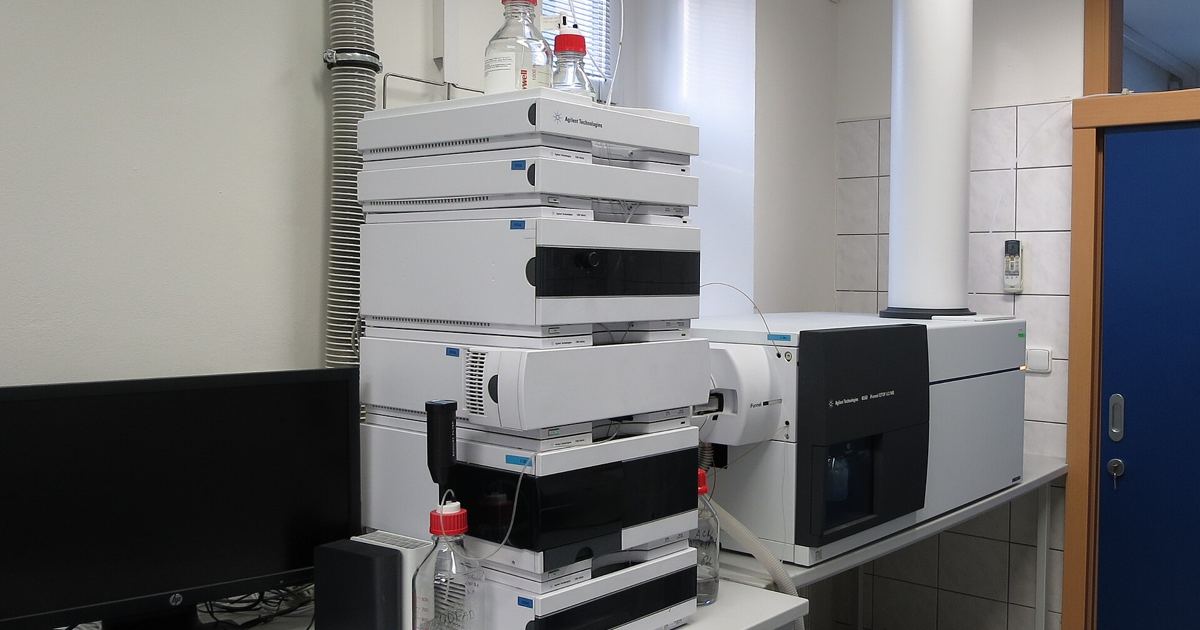
Forensic toxicology laboratories face an intricate task when inspecting black-market vials. Because illicit peptides are not legally marketed, laboratories must characterize unknown compounds without access to standard reference substances. In the 2021 investigation, scientists deployed liquid chromatography-high resolution/high accuracy Orbitrap mass spectrometry, abbreviated as LC-HRMS.
The laboratory used several analytical steps to confirm the identity of the substances:
- Performing accurate mass measurements of MH+ ionic species.
- Evaluating isotopic patterns alongside their associated relative isotopic abundance values.
- Measuring the accurate mass of collision-induced product ions generated during laboratory fragmentation experiments.
Through these precise measurements, the researchers confirmed that LC-HRMS is a powerful analytical methodology for determining the elemental composition and structural characteristics of unknown preparations recovered from illicit networks.
Study Design and Scientific Limits: What One Paper Can and Cannot Show
When reviewing scientific publications on black-market products, context is essential. It is critical to describe this publication as one study with clear parameters rather than a universal survey of all products. The research examined eight unknown samples seized by police in a specific enforcement action. Because the sample size was limited to eight confiscated specimens, the investigation cannot define the chemical composition, consistency, or purity rates of every vial sold across global underground markets.
Furthermore, forensic chemical identification is designed to establish structural identity and elemental formulas. It does not replace extensive clinical trials, nor does it establish human safety profiles for unapproved products. Readers evaluating peer-reviewed evidence must avoid overstating these findings: the paper demonstrates the utility of high-resolution mass spectrometry in forensic identification, but it does not represent a comprehensive safety audit of all illicit distribution chains.
The Realities of Unregulated Preparations and Clinical Guidance
The forensic identification of melanotan II and bremelanotide in confiscated shipments emphasizes the unpredictable nature of unregulated injectables. Vials sold online operate completely outside pharmaceutical manufacturing protocols. When individuals purchase unverified chemicals, they risk exposure to mislabeled contents, improper concentrations, or unexpected chemical derivatives. For those seeking information regarding authorized pharmaceutical developments, our guide to bremelanotide and approved melanocortin treatments covers legitimate medical pathways.
Anyone considering tanning injections or image-enhancing peptides should avoid black-market channels. If you have questions about skin pigmentation, mole changes, or sexual health concerns, consult a licensed physician or board-certified dermatologist. Medical professionals provide evidence-based care, proper diagnostic evaluations, and legitimate clinical treatments that protect long-term health.
Sources
Published October 28, 2026. Sources are linked in the text. See our Medical Disclaimer.