Canthaxanthin Retinopathy and Vision: Reviewing the Clinical Evidence
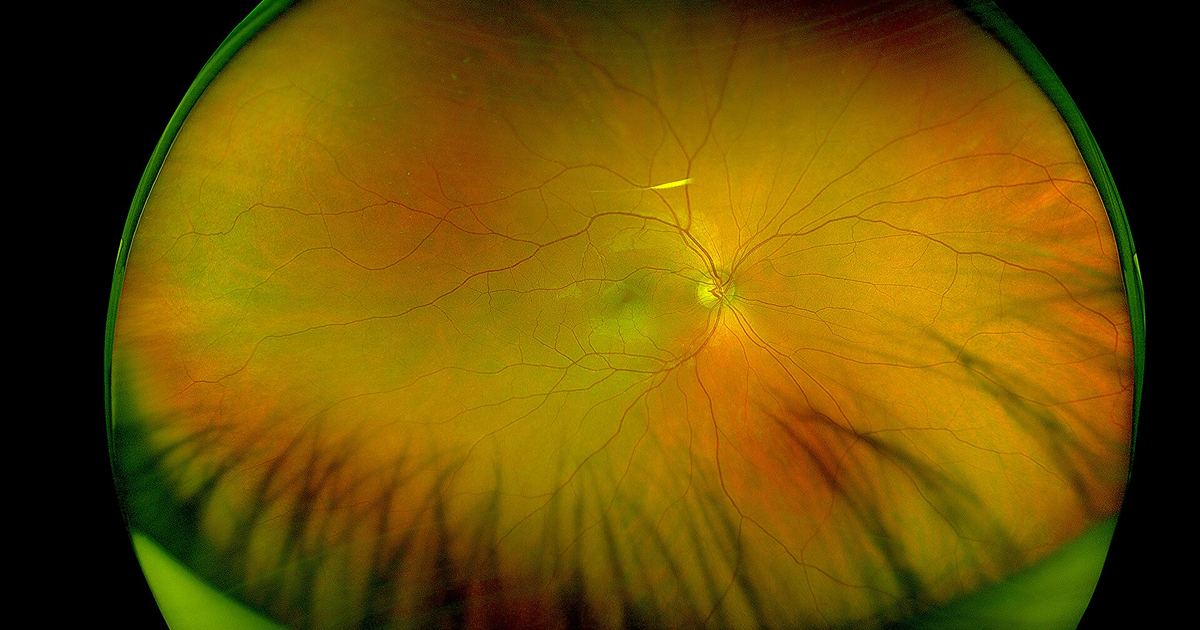
Oral tanning supplements have circulated in cosmetic circles for decades, often marketed as straightforward shortcuts to a bronzed appearance. However, clinical investigations have repeatedly identified significant physical risks linked to systemic colorants. Among the most thoroughly documented medical concerns is the accumulation of crystalline deposits directly within ocular tissues following the ingestion of canthaxanthin. Examining the clinical presentation, reversibility, and limitations of the published research provides essential clarity for anyone evaluating the systemic impact of cosmetic color additives.
Understanding Canthaxanthin and Its Systemic Uses
Canthaxanthin is a naturally occurring chemical compound. In conventional industrial and commercial applications, it is most commonly utilized as a colorant for food products and dyes, or formulated as an oral skin bronzing agent. When consumed in large amounts to alter skin shade, the compound circulates systemically rather than remaining confined to epidermal layers. Unlike topical formulations analyzed in guides to safer alternatives to melanotan and sunless tanning, ingestible tanning agents distribute throughout various organs, including the vascular networks of the human eye.
Clinical Manifestations: How Retinopathy Develops
The most prevalent human health impact associated with the compound is a condition designated as canthaxanthin retinopathy. Clinically, this state is characterized by the formation of birefringent, yellow to red crystals that form in a distinct pattern surrounding the macula of the eye. Research demonstrates that this crystal accumulation occurs with increasing, dose-dependent exposure. As cumulative intake rises, the likelihood of visible ocular deposit formation increases accordingly.
In many instances, individuals harboring these retinal deposits remain entirely asymptomatic. Because central vision may initially seem unaffected, the presence of these birefringent crystals is often detected only during a formal funduscopic examination conducted by an eye specialist. However, the absence of early symptoms does not guarantee harmlessness, as structural ocular changes are actively taking place.
The 2013 Clinical Case Report and Literature Analysis
A detailed evaluation of this pathology was documented in the 2013 journal article Canthaxanthin retinopathy with visual loss: a case report and review, published in Case Reports in Ophthalmological Medicine. The authors described the clinical course of an 84-year-old woman who presented with significant visual loss directly secondary to canthaxanthin retinopathy. Her presentation underscored that although many patients report no obvious functional deficits early on, pronounced functional impairment can and does manifest.
The paper noted that following the cessation of canthaxanthin ingestion, the patient experienced measurable improvement in her vision. A broader review of clinical literature within the study highlighted that stopping the substance generally appears to reverse the retinopathy over time. However, the authors emphasized that the exact timeline required for complete crystal disappearance remains highly variable across individuals. While clinical outcomes following discontinuation are usually favorable, long-standing visual changes may still persist.
Appraising Study Design and Research Boundaries
When analyzing medical evidence, it is necessary to interpret findings within the framework of study design. The 2013 paper in Case Reports in Ophthalmological Medicine combines a single-patient case report with an appraisal of previously documented cases. There are inherent scientific boundaries to this type of evidence:
- Sample Size Constraints: An isolated case narrative focuses on the unique physiology and clinical trajectory of one 84-year-old female patient, which cannot establish broad statistical averages across diverse populations.
- Observational Variables: Because exposure in real-world settings relies on self-administered consumer supplements, exact cumulative intake timelines and individual metabolic clearance rates vary widely.
- Follow-Up Limitations: Because the duration required for crystal disappearance is highly variable, establishing an exact clinical timeline for full retinal clearance remains challenging without prospective long-term tracking.
Recognizing these boundaries prevents overstating the findings while confirming the primary clinical hazard: ingestible colorants can lodge directly in delicate macula-adjacent tissue and jeopardize visual acuity.
Practical Takeaways for Tanning and Eye Health
Consumers evaluating systemic tanning options often focus solely on pigment changes while overlooking internal toxicities, a pattern also seen in discussions of broader melanotan risks and side effects. The evidence surrounding canthaxanthin offers several practical considerations:
- Oral Bronzers Carry Ocular Risks: Ingesting chemical dyes to achieve skin bronzing introduces systemic exposure capable of depositing physical crystals around the macula.
- Symptoms Are Not Immediate: Because individuals frequently remain asymptomatic during early accumulation stages, self-monitoring cannot replace specialized clinical diagnostics.
- Reversibility Is Inconsistent: While stopping ingestion represents the primary intervention and often leads to improvement, the speed and completeness of crystal clearance vary, and long-standing visual changes can occur.
- Medical Evaluation Is Essential: Any individual experiencing visual changes or considering ingestible tanning agents should seek evaluation from a qualified physician or ophthalmologist.
Sources
Canthaxanthin retinopathy with visual loss: a case report and review. (PubMed PMID 24288637)
Published October 31, 2026. Sources are linked in the text. See our Medical Disclaimer.