Evidence Checklist: Cumulative Tanning Bed Exposure and Melanoma Risk
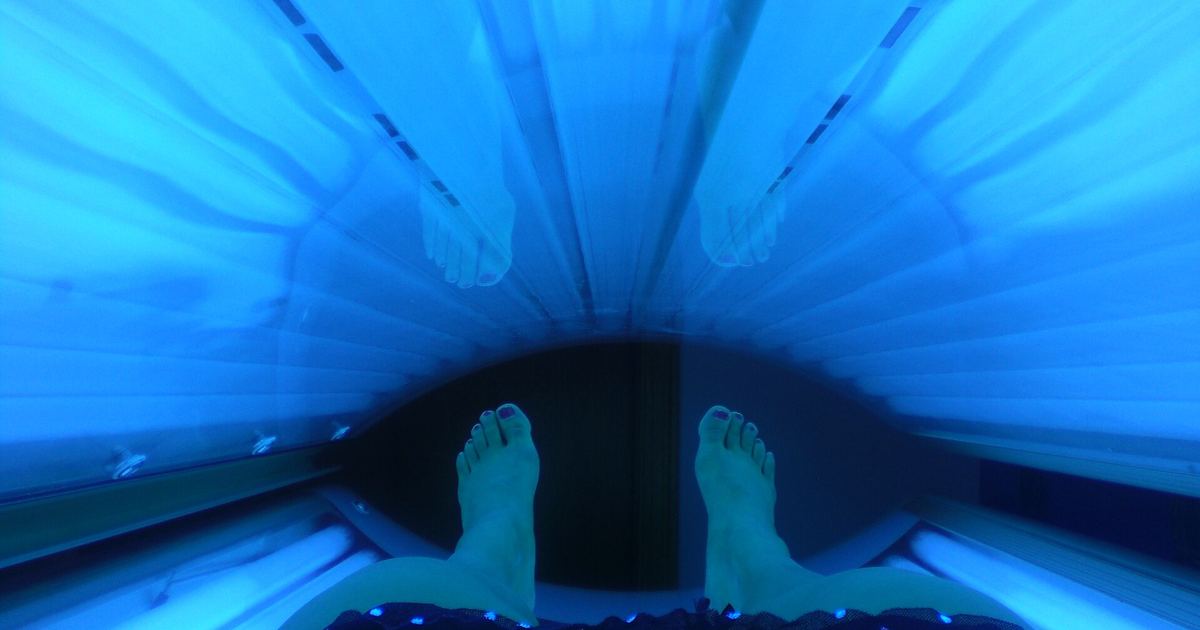
Understanding how artificial ultraviolet (UV) exposure impacts skin health requires looking closely at published clinical literature rather than industry claims. A landmark paper titled "The association of indoor tanning and melanoma in adults: systematic review and meta-analysis," published in the Journal of the American Academy of Dermatology in 2014, evaluated whether indoor tanning facilities contribute to adult melanoma onset. When assessing personal risk or exploring skin pigmentation topics, reviewing systematic data provides essential perspective. Use this evidence checklist to evaluate what this systematic review demonstrated, how cumulative sessions factor into disease risk, and the methodological boundaries defined by the researchers.
Checklist Item 1: Review the Study Design and Evidence Quality
Before relying on medical conclusions, it is critical to evaluate how researchers gathered and assessed their data. This 2014 paper served as a systematic review and meta-analysis examining observational research on adult indoor tanning and melanoma. On August 14, 2013, the investigators conducted formal database searches across Scopus, MEDLINE, and the Cumulative Index to Nursing and Allied Health Literature. They selected observational studies containing melanoma patients who had reported indoor tanning exposure, ultimately pooling results using generic inverse variance methods assuming a random effects model.
A rigorous reader must also check the study's acknowledged boundaries. The authors noted that the quality of evidence contributing to the review results ranged from poor to mediocre. Because the underlying publications were observational, potential confounding factors and variations in reporting exist. Rather than treating meta-analyses as absolute certainty, readers should recognize them as statistical syntheses of available observational data. Anyone concerned about skin changes, artificial radiation, or unapproved tanning aids should always consult a board-certified dermatologist or medical doctor for individualized evaluation.
Checklist Item 2: Assess the Scale and Baseline Ever-Tanned Risk
To understand whether an association exists, clinical reviews examine pooled numbers across diverse participant groups. This meta-analysis gathered substantial clinical data:
- Number of included studies: 31 observational studies met inclusion criteria.
- Total participant pool: The analysis combined data on 14,956 melanoma cases alongside 233,106 control subjects.
- Baseline odds ratio: Compared with individuals who reported never using tanning equipment, the pooled odds ratio for melanoma among those who had ever used indoor tanning beds was 1.16.
According to the authors of The association of indoor tanning and melanoma in adults: systematic review and meta-analysis, these findings support a documented association between using tanning beds and receiving a subsequent melanoma diagnosis. For a deeper look at biological hazards, see our breakdown on tanning beds and UV evidence.
Checklist Item 3: Check Cumulative Exposure and Session Frequency
A central question in dermatologic research is whether higher artificial UV exposure correlates with greater risk. When researchers evaluated exposure frequency, they discovered a dose-response relationship among participants:
- Individuals attending more than 10 tanning sessions showed an odds ratio of 1.34 for melanoma compared to non-users.
- This subgroup demonstrated the strongest statistical association identified in the entire meta-analysis.
The authors concluded that cumulative exposure from more than 10 tanning sessions is most strongly associated with melanoma onset. This finding demonstrates that frequent artificial UV radiation repeatedly challenges cellular defenses, which can influence how different types of skin cancer arise over time.
Checklist Item 4: Verify Claims Regarding Newer Equipment
A common assumption among consumers has been that newer indoor tanning beds emit safer radiation profiles than vintage devices. The authors directly investigated this premise by analyzing whether the timing of study enrollment altered melanoma odds:
- In studies where participant enrollment took place in the year 2000 onward, the pooled odds ratio for melanoma was 1.22.
- The analysis found no statistically significant difference in risk when comparing studies conducted before 2000 against those enrolled from the year 2000 onward.
The investigators concluded that modern equipment developed after 2000 offered no demonstrable safety advantage over older machines. Despite commercial marketing suggesting technological improvements, artificial UV output continues to pose measurable health hazards.
Checklist Item 5: Contextualize Research Within Broader Skin Safety
When synthesizing findings from this single 2014 paper, readers should maintain a clear perspective on skin protection:
- The paper demonstrates that tanning bed usage is linked to subsequent melanoma, especially among those completing more than 10 sessions.
- Newer equipment from the year 2000 onward does not eliminate or lessen that association.
- The underlying evidence base exhibits quality scores ranging from poor to mediocre, reflecting observational research challenges.
- Commercial products like melanotan peptides purchased via web vendors are unapproved, unregulated, and carry substantial unknowns.
Dermatologists emphasize regular clinical examinations and evidence-based sun avoidance over artificial tanning methods or experimental tanning injections. Reviewing primary literature on PubMed provides clear, grounded insight into why health authorities discourage artificial tanning.
Sources
The association of indoor tanning and melanoma in adults: systematic review and meta-analysis.
Published October 30, 2026. Sources are linked in the text. See our Medical Disclaimer.