Day Laborer Sun Safety: Lessons From the 2022 IJERPH Study
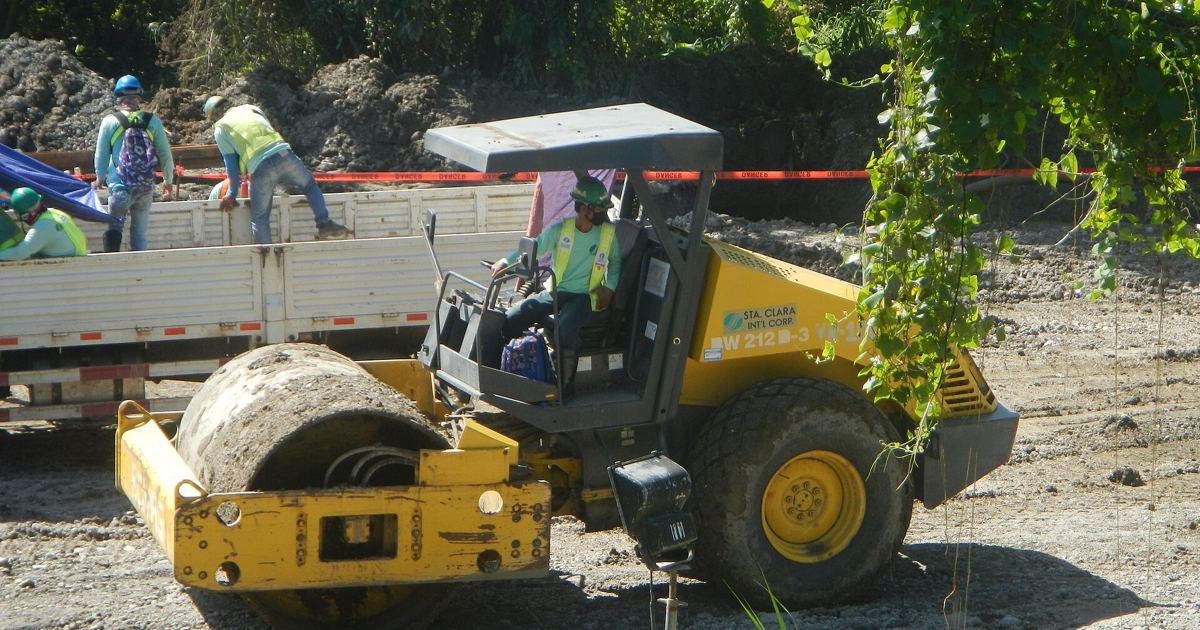
Individuals who work outdoors carry an elevated risk for skin cancer as a direct result of excessive exposure to ultraviolet (UV) radiation. Despite these hazards, daytime laborers and outdoor construction crews frequently encounter substantial logistical and environmental obstacles to personal protection. In a 2022 investigation published in the International journal of environmental research and public health, researchers examined the correlates of sunburn and sun protection practices within a group of male Hispanic outdoor day laborers. This brief reviews what this single study found, outlines its design parameters and limitations, and discusses practical takeaways for outdoor occupational health.
The Research Background and Study Sample
Day laborers represent a critical component of the outdoor workforce and are disproportionately Hispanic. However, public health literature has historically contained little data regarding the precise UV exposures and everyday sun safety practices of this group. To address this gap, investigators recruited a sample of 175 male Hispanic day laborers (n = 175) to evaluate their occupational sun habits, recent sunburn history, and reported heat-related symptoms.
Understanding these workplace patterns is vital for occupational dermatology. When workers experience unmanaged UV exposure, cumulative cellular damage increases over time. Educational efforts emphasize consulting a dermatologist or qualified physician for persistent skin changes, especially for laborers who log extensive hours under peak daylight conditions.
Measured Sunburn Rates and Heat-Related Symptoms
The research paper revealed substantial occupational vulnerability during summer work. Among the 175 participants, more than half (54.9%) experienced one or more sunburns while on the job during the preceding summer. This demonstrates that sunburn remains a common event during outdoor labor shifts.
In addition to UV radiation damage, thermal stress was widespread among the workers surveyed. The authors observed that 62.9% of participants reported experiencing one or more symptoms of heat illness. The coexistence of heat strain and sunburn underlines the compound physical burdens that outdoor laborers face during the hottest working months.
Sun Protection Practices Across Five Key Categories
The study asked participants to rate how often they engaged in specific sun protection behaviors using a 5-point scale, where 1 represented "never" and 5 represented "always." Overall, the authors described the frequency of sun safety habits across the workforce as suboptimal. The mean (M) and standard deviation (SD) scores for these behaviors included:
- Wearing sunglasses: M = 2.68 (SD = 1.71)
- Seeking or staying in the shade: M = 2.30 (SD = 0.94)
- Applying sunscreen: M = 2.10 (SD = 1.39)
- Wearing a wide-brimmed hat: M = 1.75 (SD = 1.32)
Wide-brimmed hats recorded the lowest average frequency among the evaluated protective behaviors. For workers seeking structured physical coverage, learning more about layering sun barriers for outdoor safety can help clarify how different types of headwear and garments provide shading during intense daylight hours.
Factors Associated With Increased Sunburn Frequency
The investigators identified several specific demographic, physiological, and behavioral variables that correlated with a higher number of sunburns among participants. The study determined that a greater frequency of sunburns was associated with:
- A lower education level
- Higher levels of skin sensitivity to the sun
- Reporting any symptom of heat illness
- Reporting fewer barriers to wearing a wide-brimmed hat
- Actually not wearing a wide-brimmed hat
The study also noted that the individual factors linked to each specific sun protection behavior varied across the cohort, indicating that laborers face diverse motivations and obstacles depending on the exact form of sun protection being used.
Study Design, Boundaries, and Limitations
It is essential to consider the scope of this research without overstating the results. This publication reflects a single cross-sectional observational study focusing exclusively on a localized cohort of 175 male Hispanic day laborers. Because it relies on self-reported survey responses regarding the past summer, recall bias may influence how precisely participants remembered their sunburn occurrences, heat symptoms, or protection frequency.
Furthermore, because the study design was cross-sectional, it identifies associations rather than direct causal mechanisms. The findings cannot be automatically generalized to all outdoor trades, different geographic climates, or female workers. Additional research is necessary to evaluate broader worker demographics across varied employment structures.
Practical Takeaways for Outdoor Job Sites
Despite its focused sample, the 2022 paper in the International journal of environmental research and public health offers practical lessons for managing occupational UV risks:
- Recognize Dual Hazards: Heat illness symptoms and sunburn frequently co-occur. Addressing water breaks and cooling shade simultaneously supports sun avoidance strategies.
- Address Hat Adoption Barriers: Wide-brimmed hats were the least utilized defense (M = 1.75), yet not wearing one was directly associated with more sunburns. Identifying practical designs compatible with work tasks is critical.
- Account for Individual Sensitivity: Laborers with higher baseline skin sensitivity reported more burns. Workers with delicate or easily burned skin should discuss personalized photoprotection strategies with a healthcare provider.
- Prioritize Broad Protection Education: Because sunscreen use averaged low (M = 2.10), education regarding consistent application and formulas remains an essential element of occupational safety. Reviewing sunscreen SPF and broad-spectrum ratings can help individuals select appropriate topical protection.
Sources
Published October 31, 2026. Sources are linked in the text. See our Medical Disclaimer.