Drug-Induced Eruptive Nevi: What a 2017 Review Discovered
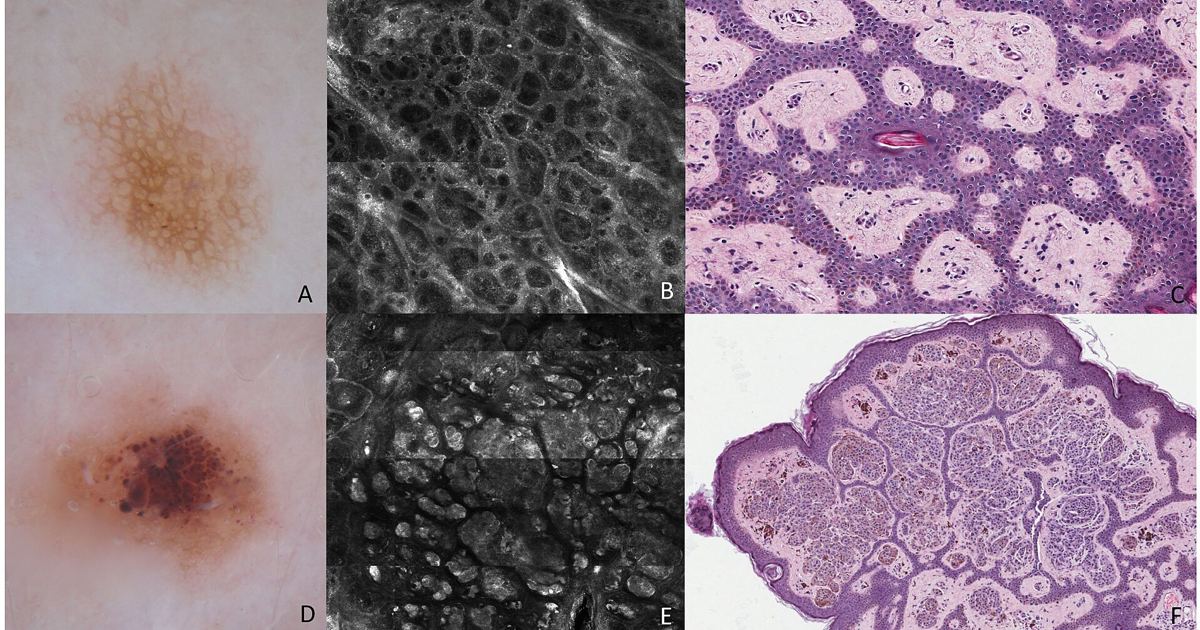
When starting certain potent systemic therapies, patients occasionally report sudden eruptions of dark skin spots or moles. In dermatology, these sudden clusters of pigment-producing growths are known as eruptive melanocytic nevi. Understanding why they happen requires examining how systemic treatments interact with cellular regulation. For individuals researching skin pigment changes or looking into Melanotan, Moles and Melanoma: What Case Reports Show, reviewing the medical literature offers helpful context on how powerful medications influence pigment cells.
Study Context: The 2017 Review on Eruptive Nevi
To evaluate these occurrences, a paper published in 2017 in the journal Expert Opinion on Drug Metabolism & Toxicology titled Drug-induced eruptive melanocytic nevi. examined the documented medical literature. In terms of design, this work is a narrative literature review rather than an experimental trial or prospective cohort study. The authors set out to review the existing published literature regarding eruptive melanocytic nevi that emerge after the administration of immunosuppressive drugs as well as other classes of medications.
Because the publication is a synthesis of previous clinical documentation, its conclusions reflect the collection of published case reports and observational descriptions available at the time of publication.
Clinical Settings Associated With Sudden Mole Bursts
The review points out that a sudden eruption of melanocytic nevi is not unique to pharmaceutical intervention alone. In medical literature, the development of these eruptions has historically been associated with several clinical conditions:
- Immunosuppression induced by medications
- Underlying immunodeficiency states
- Severe bullous skin diseases
By comparing these states, the paper notes that the growth of multiple melanocytic nevi during immunosuppressive therapy emphasizes how essential immune system integrity is in controlling and regulating the proliferation of nevi. When normal immune control is suppressed, melanocytes appear capable of clustering into new growths more readily.
Targeted Therapies and Paradoxical Eruptions
Beyond broad immunosuppressive treatments, the authors highlighted observations involving modern targeted therapies. The paper documented the emergence of eruptive nevi as an unexpected effect of targeted therapies prescribed for specific types of cancer, including treatments directed at melanoma itself.
Researchers consider this a paradoxical event: therapies designed to inhibit aberrant cell pathways can unexpectedly prompt benign melanocytic proliferation elsewhere on the skin. The review suggests that these clinical observations provide intriguing hints regarding the underlying biological pathways governing melanocyte behavior. However, the exact cellular mechanisms that drive eruptive nevi remain unknown.
Study Limitations: What the Review Does Not Prove
While the paper provides valuable clinical insights, its findings must not be overstated. The authors themselves identified several significant limitations in the available evidence:
- Low Volume of Data: The scientific literature regarding the development of eruptive nevi following drug therapy includes a relatively low number of reports.
- Underestimated Frequency: The true prevalence of this phenomenon is likely underestimated in clinical practice, leading the authors to state that increased reporting should be encouraged to better understand its clinical implications.
- Unclear Mechanisms: The exact biological mechanisms responsible for the eruption of these nevi are still unknown.
- Unexplored Synergies: The review highlights that the synergistic role of additional potential triggers in drug-induced eruptive nevi has not been explored in the literature and remains an open area for future research.
Consequently, the paper does not prove a single, universal cellular pathway for every case of medication-induced mole growth, nor does it establish exact risk rates across different patient populations.
Why Monitoring Moles Requires Professional Guidance
Observing sudden pigment changes or new clusters of spots can be concerning, especially for individuals taking systemic substances or researching unapproved compounds. Products marketed online such as melanotan I or melanotan II are completely unapproved and unregulated, carrying serious unknowns regarding their systemic effects on melanocytes. Anyone noticing sudden changes in existing spots or the rapid appearance of new pigmented lesions should consult a qualified doctor or dermatologist for a professional evaluation, rather than attempting to self-diagnose changes at home. If you want to understand how clinicians categorize pigment spots, explore our guide on Common Moles vs. Dysplastic Nevi: Evidence and Melanoma Risk.
Sources
Drug-induced eruptive melanocytic nevi. - PubMed record PMID 27759434, Expert Opinion on Drug Metabolism & Toxicology (2017).
Published October 28, 2026. Sources are linked in the text. See our Medical Disclaimer.