Dysplastic Nevi and Setmelanotide: Key Numbers from a Pediatric Case
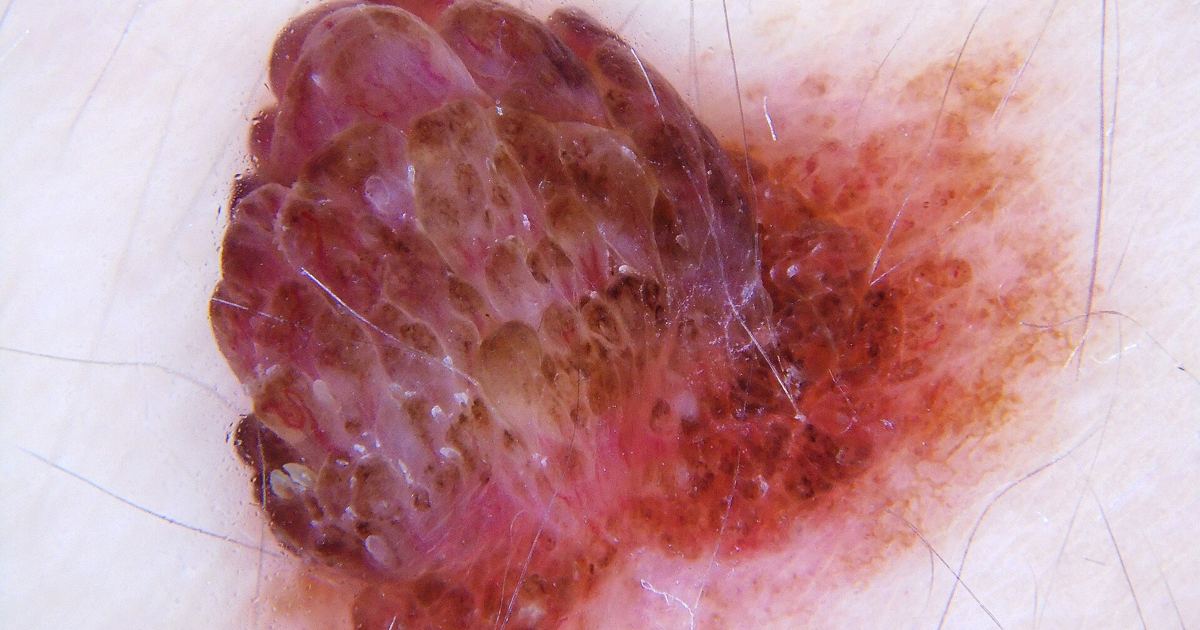
Targeted melanocortin therapies are designed to activate specific metabolic pathways, but because receptor systems share structural similarities, non-target receptors can also be stimulated. A clinical case report published in the Journal of clinical research in pediatric endocrinology documents the emergence of dysplastic nevi in a child receiving the prescription peptide setmelanotide. Structuring the report through its key numbers helps clarify the clinical timeline, the receptors involved, and the inherent limits of single-patient observations.
1 Patient: A Single Case Report with Defined Study Limits
The report centers on 1 patient: a 12-year-old boy diagnosed with monogenic obesity linked to a homozygous LEPR mutation. Because this evidence comes from a single case study rather than a prospective trial, the design carries clear limitations. Monogenic obesity conditions are rare, which means clinical outcome data for this type of pharmacotherapy remain limited across broader patient groups. Medical researchers cannot determine overall incidence rates from 1 individual report, and findings should not be overstated beyond this specific clinical observation.
2 Receptor Subtypes: MC4R Targeting and MC1R Cross-Activity
Setmelanotide is formulated to act as an agonist primarily at melanocortin-4 receptors (MC4R) to address monogenic obesity. However, the compound also weakly stimulates melanocortin-1 receptors (MC1R). MC1R is the primary receptor governing pigment pathways in human melanocytes. When MC1R is stimulated, it triggers melanocytic activity and changes in pigmentation. For individuals researching melanocortin agonists or reviewing Melanotan, Moles and Melanoma: What Case Reports Show, this cross-activity highlights why substances acting on melanocortin pathways can alter skin coloration and existing moles.
Over 2 Years of Age: Indication Thresholds and Rare Genetic Profiles
Setmelanotide is approved for patients over 2 years of age who have monogenic obesity resulting from specific genetic deficiencies. These approved genetic profiles include:
- POMC mutations
- LEPR mutations
- PCSK1 mutations
- Bardet-Biedl syndrome
In this child's case, homozygous LEPR deficiency led to the initiation of therapy. Shortly after treatment began, the patient experienced generalized skin hyperpigmentation, reflecting systemic pigmentary changes from off-target MC1R stimulation.
Month 3: The Timeline of Mole Darkening
Clinical monitoring revealed localized dermatologic changes following the initial generalized hyperpigmentation. By the 3rd month of setmelanotide therapy, clinicians documented a gradual darkening of preexisting nevi on the patient's skin. Alterations in mole shade, pigment intensity, and overall appearance during systemic melanocortin receptor stimulation highlight why regular skin assessments by a medical doctor or dermatologist are critical whenever melanocortin pathways are activated.
Month 6: 2 Nevi Excised with Dysplastic Features
At the 6-month clinical follow-up, 2 nevi were surgically excised after displaying concerning pigmentation changes. Histopathological evaluation of the tissue samples was completed after excision:
- 2 lesions were removed for laboratory analysis.
- Both nevi demonstrated dysplastic features upon histopathology review.
Dysplastic nevi present atypical cellular features under microscopic examination. Readers evaluating mole changes can review Common Moles vs. Dysplastic Nevi: Evidence and Melanoma Risk to understand how doctors classify atypical growths. Following these findings, the child's setmelanotide therapy was temporarily discontinued.
First Documented Case: Understanding the Clinical Implications
According to the authors of the 2025 report in PubMed PMID 40836563, this represents the first reported pediatric case of LEPR-related monogenic obesity developing dysplastic nevi during setmelanotide use. The authors emphasized that the observed melanocytic activity raises concerns regarding off-target MC1R activation during treatment.
While setmelanotide is an approved, strictly monitored prescription medication evaluated in clinical environments, unapproved tanning peptides such as melanotan I and melanotan II sold online operate on similar melanocortin pathways without medical supervision or pharmaceutical quality control. Any unexpected pigment darkening or changes in mole architecture warrant prompt evaluation by a dermatologist.
Sources
Published October 28, 2026. Sources are linked in the text. See our Medical Disclaimer.