Early Sunscreen Use and Melanoma: An Evidence Checklist
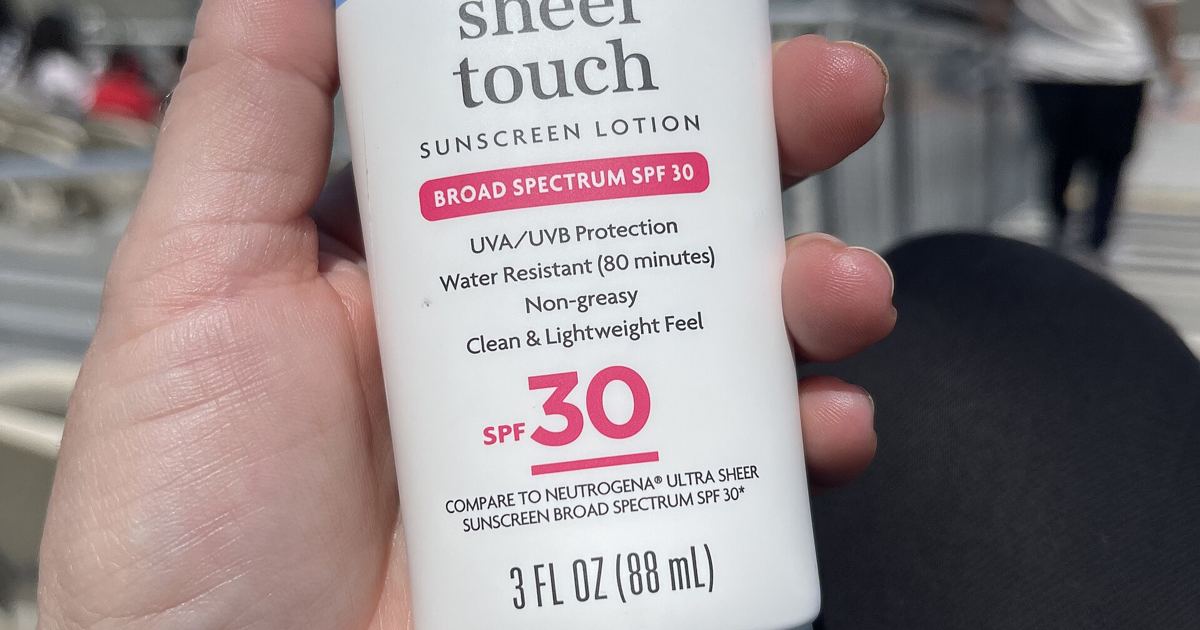
Many individuals investigating tanning practices or looking into unregulated peptides like melanotan online seek ways to alter their skin tone, often without recognizing the long-term biological risks of ultraviolet radiation. While melanotan products sold on the internet remain unapproved and unregulated, medical doctors emphasize proven methods of photoprotection. Long-term skin health depends heavily on sun habits established during youth. A key clinical question is whether routine sunscreen use in childhood and young adulthood creates measurable protection against serious skin malignancies later in life.
1. Examine the Australian Study Design and Setting
A 2018 paper published in JAMA Dermatology examined this question using a population-based, case-control family study: Sunscreen Use and Melanoma Risk Among Young Australian Adults.. Utilizing data from the Australian Melanoma Family Study, researchers gathered interview records collected from 2001 to 2005 across three states representing two-thirds of the Australian population.
The investigation evaluated individuals aged 18 to 39 years who had a confirmed first primary cutaneous melanoma. The final statistical evaluation included 603 cases and 1088 controls, incorporating sibling controls alongside unrelated individuals. By assessing self-reported and parent-reported sunscreen use and sun exposure from childhood through adulthood, researchers aimed to measure associations with melanoma risk before age 40.
2. Review the Reported Melanoma Risk Reductions
When analyzing results from Sunscreen Use and Melanoma Risk Among Young Australian Adults., readers should look closely at the reported odds ratios. The study found that individuals in the highest category of sunscreen use during childhood had a lower risk of developing cutaneous melanoma compared to those in the lowest category, yielding an odds ratio of 0.60.
A similar protective association was observed when assessing sunscreen use across the participant's lifetime, which resulted in an odds ratio of 0.65. Understanding how these baseline risks take shape is essential when exploring Types of Skin Cancer: Basal Cell, Squamous Cell and Melanoma Explained. These figures show an inverse association between early, regular application and melanoma diagnoses in younger adults within the studied group.
3. Identify High-Benefit Characteristics and Nevi Counts
The study found that protective associations varied across personal profiles. Subgroup analyses indicated that the protective connection between sunscreen use and melanoma was stronger for specific groups:
- Participants with a history of blistering sunburn.
- Individuals with some or many nevi (moles).
- People diagnosed with melanoma at a younger age.
The researchers also documented user demographics. Regular sunscreen users were more frequently female, younger, of British or northern European ancestry, had higher education levels, possessed lighter skin pigmentation, and reported a stronger history of blistering sunburn.
4. Avoid the False Security of Extended Sun Exposure
One critical observation from the paper relates to behavioral patterns outdoors. Total lifetime sun exposure alone showed no significant association with melanoma risk in the primary analysis, with an odds ratio of 0.97. However, when researchers analyzed total sun exposure inversely weighted by sunscreen use—representing sun exposure unprotected by sunscreen—the odds ratio for melanoma reached 1.80.
This elevated risk appeared stronger for individuals with lighter pigmentation, those with some or many nevi, and those who used sunscreen to stay longer in the sun. Using sun protection should never be viewed as a tool to extend sunbathing duration. For practical details on topical filters, see Sunscreen Basics: SPF, Broad Spectrum and Water Resistance Explained.
5. Account for Observational Limitations and Recall Bias
Readers must be careful not to overstate the study's conclusions. Because this was a case-control observational study rather than a prospective clinical trial, it cannot establish direct cause and effect. The analysis relied on retrospective interviews where adults and parents recalled sun habits and sunscreen routines from years earlier, which introduces the possibility of recall inaccuracies.
Additionally, this is a single study focusing on a predominantly British and northern European demographic in Australia. Results from one study cohort cannot automatically be generalized to every population, geographic area, or skin type.
6. Reader Checklist for Skin Safety Discussions
When discussing photoprotection and melanoma prevention with a doctor or dermatologist, consider this checklist:
- Review personal risk markers, such as mole counts, fair skin, and any past childhood blistering sunburns.
- Make sunscreen application a routine habit rather than an occasional reaction to bright sun.
- Do not rely on sunscreen to prolong hours spent outdoors in direct UV light.
- Steer clear of unregulated tanning substances, such as online melanotan injections, which lack medical approval.
- Schedule routine skin checks with a healthcare professional to monitor new or changing lesions.
Sources
Published October 28, 2026. Sources are linked in the text. See our Medical Disclaimer.