EPP and Liver Health: Key Numbers Behind Hepatic Care
Erythropoietic protoporphyria (EPP) is best known for causing severe, painful phototoxicity when skin is exposed to light. However, the disorder involves metabolic alterations that extend beyond cutaneous symptoms. In EPP, the progressive accumulation and deposition of protoporphyrins inside liver cells (hepatocytes) and bile canaliculi can lead to hepatic complications. These complications span a wide spectrum, ranging from mild elevations in liver enzymes to cirrhosis and acute cholestatic hepatic failure. Understanding how often liver complications occur—and which clinical markers predict them—is essential for individuals living with EPP and the physicians managing their long-term care.
114 Patients: Investigating an Unselected Adult Cohort
To quantify the true prevalence of hepatic involvement in this condition, researchers conducted a single-center prospective cohort study involving 114 adult EPP patients, published in Digestive and Liver Disease (Digestive and Liver Disease, 2022). Prior to this investigation, the prevalence of liver disease and the precise indicators predicting hepatic risks had not been established in a large series of unselected patients.
In this trial, the 114 adult participants were evaluated using three primary modalities:
- Standard routine laboratory blood testing
- Abdominal ultrasonography
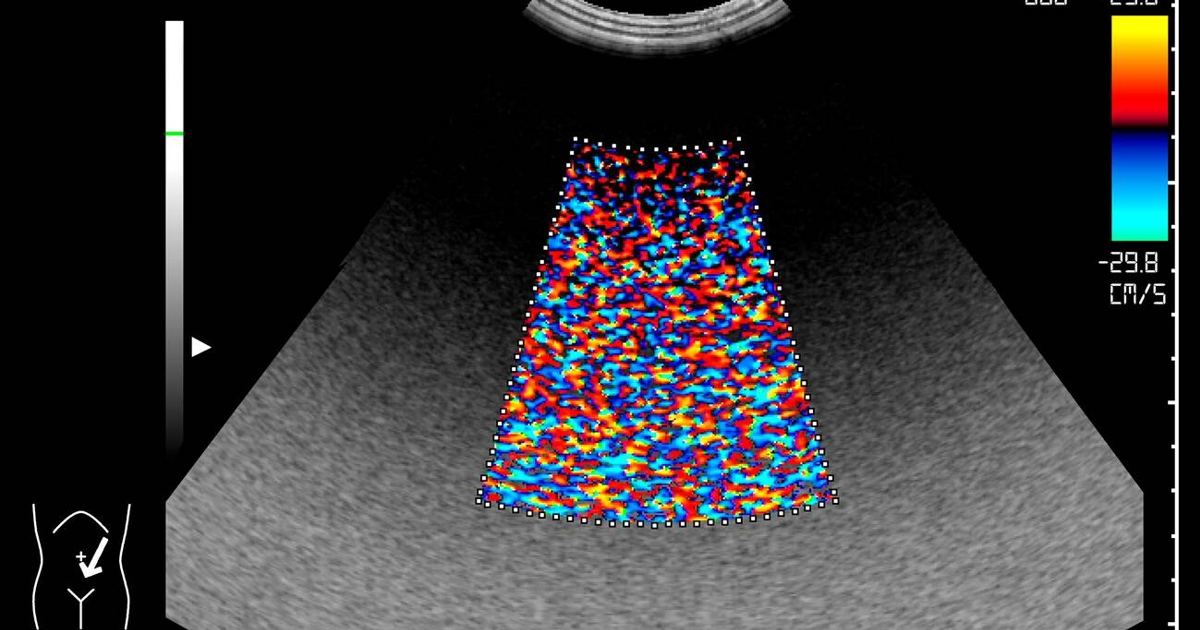
- Transient elastography to quantify controlled attenuation parameter (measured in dB/m) for steatosis and liver stiffness (measured in kPa)
Because this was an observational, single-center study, its design carries certain limitations. The findings reflect cross-sectional measurements from a single specialized institution and should not be overgeneralized or viewed as an absolute forecast for every individual with EPP. Nevertheless, it provides a valuable baseline for lifelong care.
6.2 Percent: Elevated Liver Enzymes in Baseline Screening
Routine laboratory testing within the 114-patient cohort revealed that elevated liver enzymes were present in 6.2% of individuals. Because clinical liver involvement in EPP can begin silently with mildly elevated liver enzymes before progressing toward more severe conditions like cholestatic liver failure or cirrhosis, periodic blood screening remains a fundamental baseline check. Detecting abnormal transaminases allows clinicians to pursue secondary imaging rather than waiting for obvious physical symptoms to appear.
29.0 Percent: Hepatic Steatosis and the Influence of BMI
When evaluated for fatty liver changes, liver steatosis was detected in 29.0% of the participants. The investigators noted that this prevalence of hepatic steatosis in adult EPP patients is comparable to rates observed in the general population. Further statistical analysis revealed that body mass index (BMI) was a positive predictor of controlled attenuation parameter (CAP) values (p = 0.026).
This finding demonstrates that standard metabolic risk factors continue to operate alongside inherited metabolic conditions. For patients managing EPP, maintaining healthy metabolic health alongside photoprotective strategies—such as approved options detailed in our review of afamelanotide implants—is an important part of overall organ wellness.
9.6 Percent: The Rate of Significant Hepatic Fibrosis
Beyond fat accumulation, the study evaluated structural tissue changes. Significant liver fibrosis, as determined by transient elastography stiffness measurements (in kPa), was identified in 9.6% of the 114 patients. Hepatic fibrosis represents the development of scar tissue within the liver, which over time can compromise hepatic architecture and lead toward cirrhosis. The researchers noted that, much like steatosis, the overall prevalence of fibrosis in this unselected cohort remained comparable to general population benchmarks, helping put extreme liver disease risks into clearer perspective.
p = 0.043: Protoporphyrin IX as a Predictor of Liver Stiffness
The key differentiator for liver complications in this metabolic condition is the level of circulating porphyrins. The 2022 study revealed that protoporphyrin IX levels positively predicted liver stiffness (p = 0.043). As protoporphyrins progressively deposit within bile canaliculi and hepatocytes, cellular stress and biliary impairment can drive progressive stiffness.
Because higher protoporphyrin IX levels directly correlate with increased liver stiffness, porphyrin burden serves as a critical biomarker. You can read more about systemic porphyria patterns in our guide on erythropoietic protoporphyria myths vs. clinical evidence.
Structuring Lifelong Hepatic Surveillance in EPP
The data from this prospective cohort emphasize that liver involvement requires proactive, consistent monitoring. Clinicians tracking patients with EPP typically incorporate multiple layers of assessment:
- Biochemical blood panels: Routine liver enzyme checks to catch the 6.2% of cases showing early elevations.
- Porphyrin monitoring: Tracking circulating protoporphyrin IX concentrations, which positively predict tissue stiffness.
- Non-invasive elastography: Measuring liver stiffness in kPa and controlled attenuation parameters in dB/m to monitor structural changes without invasive procedures.
- General health measures: Managing BMI and metabolic parameters to minimize common steatosis risks.
Anyone navigating EPP should work directly with a medical specialist or gastroenterologist to establish a personalized hepatic monitoring schedule.
Sources
Digestive and Liver Disease: Liver involvement in patients with erythropoietic protoporphyria (2022)
Published October 31, 2026. Sources are linked in the text. See our Medical Disclaimer.