Fern Extract for UV Defense: A Clinical Evidence Checklist
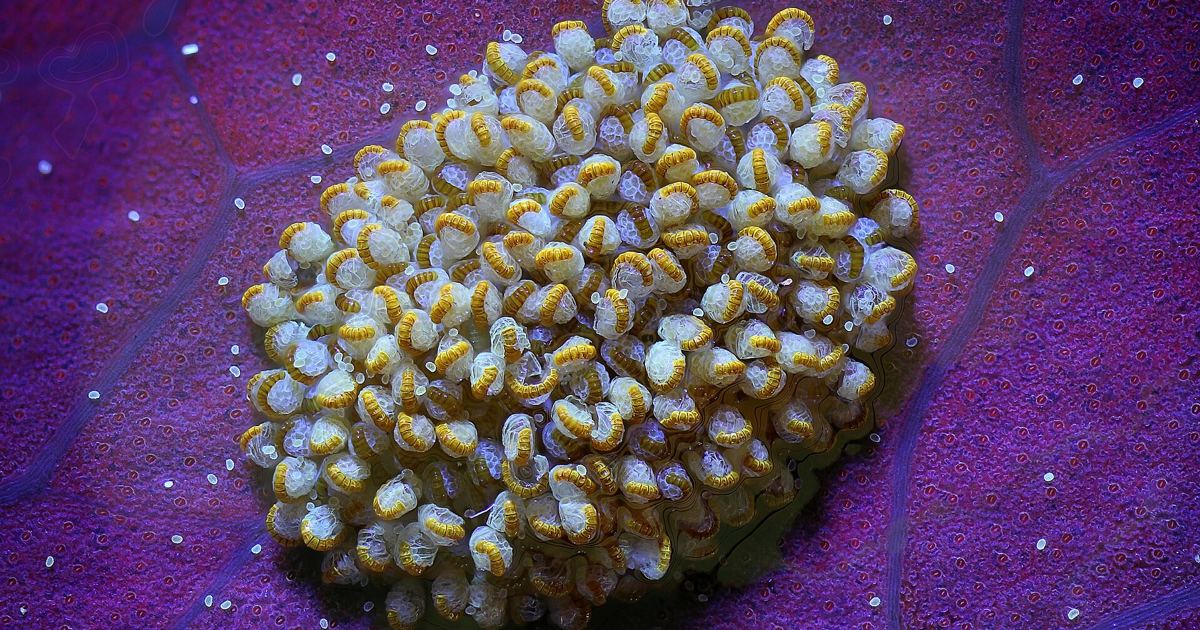
When exploring strategies for skin protection, many people encounter claims regarding botanical compounds that supposedly guard against solar radiation from the inside out. Among these natural substances, extracts derived from Polypodium leucotomos—a tropical fern species also referred to in medical literature by the synonym anapsos—have garnered substantial scientific interest. To help readers critically assess whether this botanical provides meaningful systemic antioxidant defense against ultraviolet light damage, we have created an evidence-based evaluation checklist centered on data synthesized in a review published in the Journal of Drugs in Dermatology.
1. Identify Documented Biological Mechanisms
Before evaluating clinical outcomes, it is essential to establish how an agent functions at the cellular level. Both laboratory experiments and human evaluations have shown that Polypodium leucotomos extract exhibits several distinct biological activities when consumed orally or applied to the skin:
- Antioxidant defense: It helps scavenge reactive oxygen species and mitigate the oxidative cellular stress induced by ultraviolet radiation.
- Photoprotective action: It offers systemic defense against ultraviolet-induced cutaneous damage.
- Antimutagenic effects: Basic science models indicate protective activity against cellular mutations caused by light exposure.
- Immunoregulatory properties: It assists in moderating the immune suppression that typically occurs within cutaneous tissue following ultraviolet exposure.
2. Check Studied Conditions and Dermatologic Indications
Clinical investigations have primarily focused on conditions where sun exposure triggers or severely aggravates skin lesions. The published literature has evaluated oral administration of this fern extract for:
- Polymorphous light eruption: An acquired, recurrent sun rash triggered by daylight; see our overview on polymorphous light eruption causes and prevention.
- Melasma: Acquired hyperpigmentation that worsens with ultraviolet exposure; read more about managing melasma and sun exposure.
- Other photodermatoses: Various light-sensitive cutaneous reactions that impair patient comfort and skin integrity.
3. Appraise the Study Design and Scope of the Evidence
When reviewing claims about botanical supplements, understanding study design prevents unrealistic expectations. The 2015 paper published in the Journal of Drugs in Dermatology was designed as a comprehensive status report on safety and clinical efficacy:
- Search methodology: The investigators conducted a PubMed search focused specifically on randomized clinical trials involving Polypodium leucotomos or its synonym anapsos.
- Total study volume: The review analyzed 19 human studies alongside 6 basic science investigations.
- Historical span: The included trials represented over 40 years of medical research.
- Defined safety endpoint: The researchers specifically tracked any documented adverse events, toxicities, or side effects across the published records.
It is important to recognize that this literature represents a collection of independent trials rather than a single massive multicenter trial. Because individual study protocols and participant populations differed across four decades, findings should be interpreted as a broad body of evidence rather than a single, uniform outcome.
4. Review Safety Endpoints and Adverse Event Frequencies
A critical item on any photoprotection checklist is confirming tolerability. Prior to this status report, consolidated evaluations focusing purely on safety endpoints were sparse. The review revealed key findings regarding adverse reactions:
- Basic science findings: Zero adverse effects were identified across the 6 laboratory studies.
- Human tolerability: In the 19 human studies, reported side effects were rated as mild to moderate.
- Common symptoms: The only documented adverse complaints consisted of mild gastrointestinal symptoms and pruritus.
- Low occurrence rate: These side effects appeared in only 16 human participants, representing roughly 2% of patients overall.
Based on these findings, the review concluded that the extract is well tolerated and carries a negligible risk of side effects in clinical trials.
5. Weigh Limitations and Seek Medical Guidance
While the clinical evidence supports the biological antioxidant and photoprotective potential of Polypodium leucotomos, it is crucial not to overstate these benefits:
- Not a substitute for total protection: Systemic antioxidants do not create an impenetrable physical shield against ultraviolet radiation.
- Medical evaluation is essential: Anyone dealing with unusual photosensitivity, melasma, or chronic sun rashes should consult a board-certified dermatologist for diagnosis and tailored therapy.
- Avoid unregulated tanning chemicals: Unlike clinically investigated botanicals, unlicensed and unapproved substances sold online—such as synthetic melanotan peptides—pose severe, unpredictable health hazards and lack verified medical oversight.
Sources
- Polypodium leucotomos extract: a status report on clinical efficacy and safety. - Journal of drugs in dermatology : JDD (2015)
Published October 31, 2026. Sources are linked in the text. See our Medical Disclaimer.