Global Melanoma Trends: What Three Decades of Health Data Show
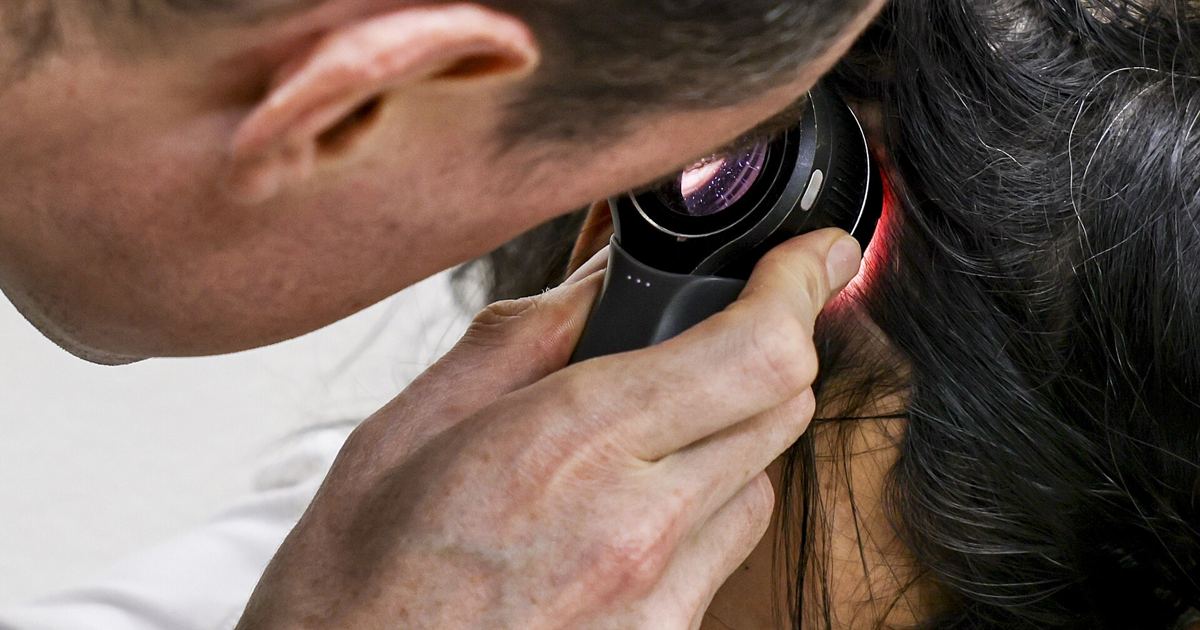
Melanoma remains one of the most serious forms of skin cancer, yet public health efforts over the past several decades have heavily emphasized sun avoidance, protective gear, and broad-spectrum sunscreens. Despite widespread awareness and product availability, global registry statistics indicate that new diagnoses continue to climb. Understanding why cases continue to rise requires evaluating long-term international population research rather than isolated regional surveys.
A research paper published in the Journal of the American Academy of Dermatology titled Global trends in melanoma burden: A comprehensive analysis from the Global Burden of Disease Study, 1990-2021. examines these exact shifts. By reviewing data from 1990 to 2021 across 204 countries, this single epidemiological study provides insight into how melanoma diagnoses, mortality patterns, and overall health burdens have changed across diverse populations.
Study Design and Methodological Scope
The researchers based their investigation on data from the Global Burden of Disease 2021 dataset. To track the disease over three decades, the authors analyzed melanoma incidence, mortality rates, and disability-adjusted life years across 204 countries from 1990 to 2021. These metrics were age-standardized to account for shifting demographic age distributions around the world.
The investigators stratified their findings across several key variables: age group, sex, geographic region, individual country, and the Socio-Demographic Index. To understand temporal directions over time, the team calculated the estimated annual percentage change for each metric. This structured approach allowed the investigators to evaluate whether rising caseloads represented an isolated occurrence or a broader global pattern.
Key Findings: Rising Incidence with Falling Mortality
The results of this study demonstrate a substantial global increase in melanoma incidence over the period analyzed. At the same time, the data revealed noticeable disparities between genders and between different age groups. Patterns were not uniform across all populations, showing that risk and diagnosis rates fluctuate significantly depending on demographic categories.
A notable correlation emerged regarding development levels: regions ranking higher on the Socio-Demographic Index experienced increased incidence rates. Conversely, global mortality rates declined during the same timeframe. The study authors noted that this drop in mortality was likely driven by improved clinical detection and advancements in medical treatments for diagnosed patients.
Interpreting the Rising Numbers
Finding higher incidence rates in regions with higher Socio-Demographic Index rankings highlights several factors in modern skin cancer epidemiology. In economically developed nations, populations often have greater access to clinical skin examinations and dermatological screenings, which can lead to higher rates of early diagnosis. Routine surveillance catches tumors earlier in their progression, contributing to both higher recorded incidence and lower mortality.
However, increased case numbers also reflect genuine exposure habits. Sunscreen alone does not eliminate the biological risks of prolonged UV radiation, particularly if products are applied intermittently or used simply to extend time spent in intense sunlight. Complete defense requires relying on multiple measures, including protective garments and shade, as detailed in our guide to Sun Protection Beyond Sunscreen: Complete UV Defense Guide. Furthermore, some individuals seek unproven short-cuts such as unregulated tanning peptides purchased online. These unapproved substances carry serious health risks and lack clinical oversight, underscoring why health authorities advise discussing any skin changes directly with a physician rather than using experimental agents.
Study Limitations and Data Constraints
While the study provides a wide-ranging view of international records, it represents a single observational modeling analysis with inherent limitations. The authors explicitly stated that their reliance on estimates and statistical models may introduce bias. These biases stem from international variability in disease definitions, differing diagnostic criteria, and inconsistent data collection methods across various national registries.
Because the investigation aggregated population-level metrics, it cannot account for individual behavioral choices, genetics, or personal sun safety routines. Readers should view the findings as an assessment of broad population trends rather than a direct predictor of individual health outcomes.
Practical Takeaways for Skin Health
The contrasting trends of rising diagnoses and falling death rates offer clear, actionable guidance for individuals managing their personal skin health. Because early detection improves outcomes, prevention and regular monitoring remain paramount:
- Schedule routine clinical evaluations: The study authors emphasized the need for targeted interventions across age and gender groups. Having a board-certified dermatologist examine your skin regularly is critical for spotting lesions early.
- Monitor your skin for changes: Individuals should check existing moles and new spots for changes in size, border, or coloration, as reviewed in our overview of Melanotan, Moles and Melanoma: What Case Reports Show.
- Practice comprehensive sun safety: Relying solely on modern sunscreen formulations is not a guarantee of protection. Pair topical barriers with seeking shade and wearing protective clothing during peak daylight hours.
- Avoid unregulated tanning methods: Chemical injections and unapproved tanning peptides sourced from online vendors bypass standard medical safety checks and pose unpredictable risks to your health.
Continued surveillance, ongoing research, and personal vigilance remain the most effective tools to address the persistent challenges documented in the Global trends in melanoma burden: A comprehensive analysis from the Global Burden of Disease Study, 1990-2021. report.
Sources
Global trends in melanoma burden: A comprehensive analysis from the Global Burden of Disease Study, 1990-2021. - Journal of the American Academy of Dermatology
Published October 31, 2026. Sources are linked in the text. See our Medical Disclaimer.