High-Output Indoor Tanning and Melanoma: Myths vs. Evidence
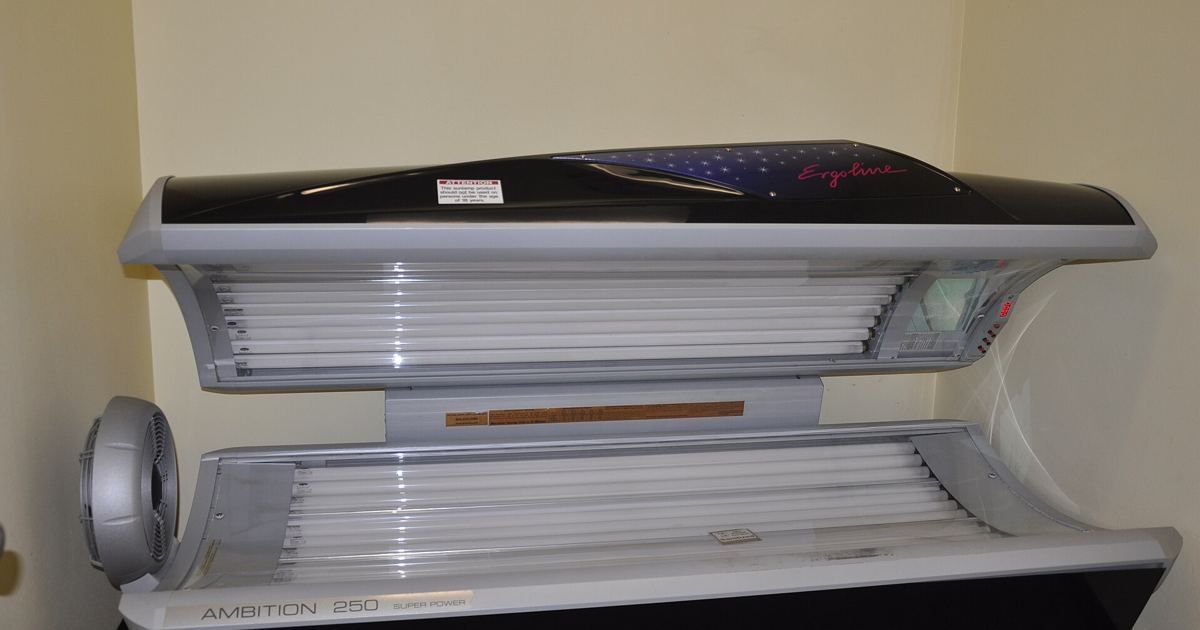
Discussions surrounding artificial ultraviolet exposure often blur the line between common assumptions and clinical research. While commercial tanning has long been popular, examining structured epidemiological data helps clarify how repeated artificial exposure relates to invasive skin malignancies. Evaluating one study with specific exposure metrics offers clear perspective on what population evidence actually demonstrates.
Myth: Indoor Tanning Has Only a Weak Link to Melanoma
For years, an argument persisted that indoor tanning carried only a marginal or questionable association with skin cancer. Early studies struggled to isolate artificial exposure from natural sunlight or failed to measure specific tanning equipment. To address these exact gaps, researchers conducted a population-based case-control study in Minnesota, published in Cancer Epidemiology, Biomarkers & Prevention.
The investigation examined 1,167 cases of invasive cutaneous melanoma diagnosed between 2004 and 2007 in individuals aged 25 to 59, alongside 1,101 age-matched and gender-matched controls drawn randomly from state driver's license records. Among the participants, 62.9% of cases reported ever tanning indoors compared with 51.1% of controls. After adjusting for known melanoma risk factors and sun exposure, the study revealed an adjusted odds ratio of 1.74 (95% confidence interval, 1.42-2.14) for individuals who had ever used indoor tanning.
Myth: UVA-Emitting Sunbeds Are Safer Than UVB Options
Another common belief suggested that modern tanning beds, particularly those designed to emit primarily UVA radiation, presented a safer profile than older or high-UVB devices. The Minnesota case-control study analyzed risk across specific device classifications and found elevated odds regardless of the equipment category.
Users of UVB-enhanced tanning equipment showed an adjusted odds ratio of 2.86 (95% confidence interval, 2.03-4.03). Meanwhile, participants who used primarily UVA-emitting devices demonstrated an adjusted odds ratio of 4.44 (95% confidence interval, 2.45-8.02). Rather than offering protection, high-output UVA equipment was associated with substantial risk elevations in this population. You can explore more on radiation wavelengths in our guide on Tanning Beds and UV: What the Evidence Says About Skin Cancer Risk.
Myth: Session Count and Total Hours Do Not Change Risk
Some tanning bed users believe that casual or intermittent visits do not build up meaningful harm. The clinical evidence contradicted this assumption by identifying a clear dose-response pattern. As cumulative exposure increased across multiple measurements, the odds of developing invasive cutaneous melanoma rose accordingly.
- Years of use: Increasing total years of indoor tanning corresponded with rising risk (P < 0.006).
- Total hours: Greater cumulative hours spent in tanning devices tracked directly with higher melanoma odds (P < 0.0001).
- Lifetime sessions: Increasing numbers of completed tanning sessions showed significant dose-dependent risk increases (P = 0.0002).
Myth: Risk Matters Only When Tanning Starts in Adolescence
It is frequently claimed that artificial UV radiation is harmful only if begun during teenage years or early youth. While starting early is widely scrutinized, the Minnesota study found that odds ratios were elevated within each initiation age category examined. When researchers evaluated indoor tanners specifically, the cumulative number of years used was more relevant for melanoma development than the specific age at which someone first began tanning.
Study Design, Context, and Methodological Limits
When reviewing these findings, it is essential to understand the study design and its inherent limitations. This was one observational, population-based case-control study. Case-control designs rely on self-administered questionnaires and telephone interviews to collect past exposure details, such as device types, initiation age, lifetime sessions, and indoor tanning-related burns. Retrospective recall can introduce reporting inaccuracies.
Nevertheless, the study overcame key limitations of earlier research by adjusting for sun exposure and examining distinct device outputs. Its conclusions provided strong support for the International Agency for Research on Cancer declaration that tanning devices are carcinogenic in humans. Understanding these patterns is critical when evaluating any method intended to alter skin pigmentation. Individuals should avoid unapproved tanning peptides like melanotan, which remain unregulated and carry safety warnings, and instead consult a board-certified dermatologist for skin checks and risk evaluations. To learn more about identifying suspicious lesions, read our overview of Types of Skin Cancer: Basal Cell, Squamous Cell and Melanoma Explained.
Sources
Published October 28, 2026. Sources are linked in the text. See our Medical Disclaimer.