How Hormones Dictate Skin Pigmentation: Clinical Q&A
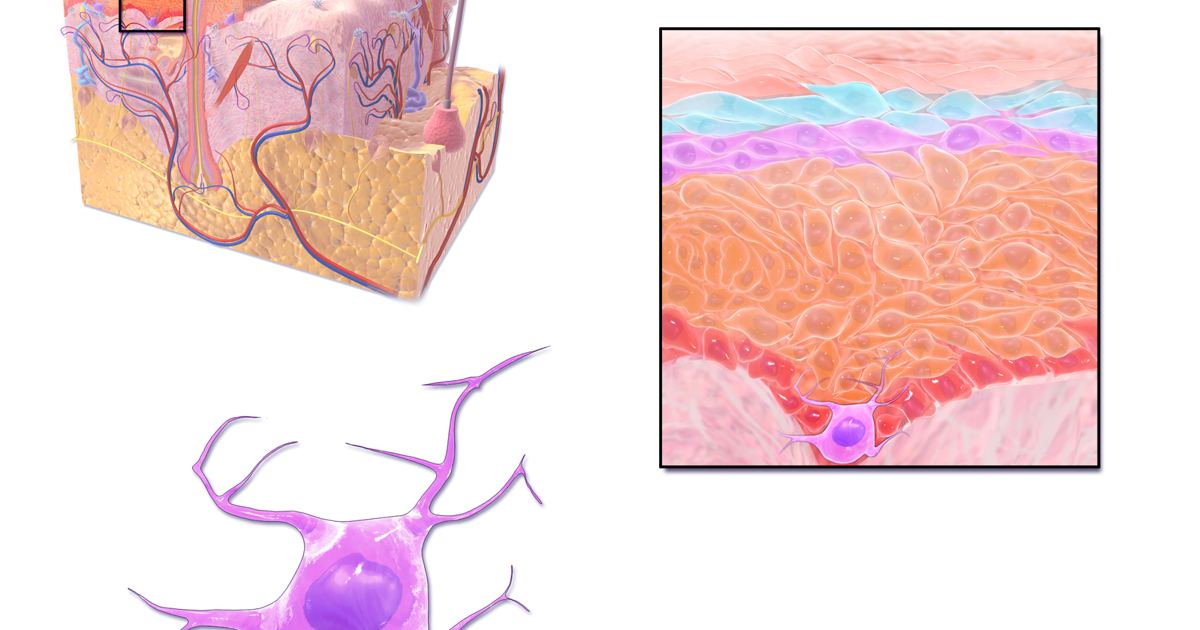
Skin color is not determined by sun exposure alone. Cutaneous melanocytes—the cells responsible for producing endogenous melanin—respond continuously to a coordinated system of chemical messengers. In 2026, the journal Dermatologie (Heidelberg, Germany) published a clinical review titled [Hormones and skin pigmentation: fundamentals and clinical relevance]. This paper explores how classical systemic hormones and messengers created directly within the skin dictate natural skin phototypes and pigment changes. Below, we break down these mechanisms in a practical Q&A format while reviewing the study design and safety boundaries.
Does the skin produce its own hormones?
Yes. A fundamental concept discussed in the 2026 review is that the skin acts as an independent endocrine organ. While classical endocrine organs synthesize systemic hormones throughout the body, the skin also generates regulatory messengers locally. For example, following ultraviolet (UV) light irradiation, cutaneous tissue produces natural melanocortins such as alpha-melanocyte-stimulating hormone (α-MSH). These locally synthesized hormones interact directly with cutaneous cells to coordinate melanin synthesis, helping establish individual skin phototypes.
What role does the MC1R receptor play in natural pigmentation?
Melanocytes display high expression and tonic activity of the melanocortin 1 receptor (MC1R). When natural melanocortins such as α-MSH bind to MC1R, they trigger cyclic adenosine monophosphate (cAMP)-mediated signalling within the cell. To understand how these cellular pathways influence natural color, read our overview on MC1R and Skin Pigment: How Tanning Works in the Body.
When gene mutations disrupt normal cAMP-mediated signalling, the type of pigment produced changes. Instead of protective brown or black eumelanin, the eumelanin/pheomelanin ratio shifts toward pheomelanin, which is a yellowish-orange, pro-oxidant pigment that alters UV response and baseline skin color.
Why do certain endocrine disorders darken the skin?
Because cutaneous melanocytes are sensitive to circulating melanocortins, systemic endocrine diseases that trigger elevated melanocortin levels frequently cause hyperpigmentation. According to the review, elevated melanin content in the skin is observed in several clinical conditions:
- Addison's disease and associated syndromes
- Ectopic proopiomelanocortin syndrome
- Primary adrenal cortex insufficiency
In each scenario, surplus circulating melanocortins stimulate melanocyte receptors, resulting in increased melanin content across the skin.
How do approved synthetic melanocortins compare to unapproved products?
Medical researchers have developed synthetic versions of melanocortins for specific clinical uses. In Germany, two synthetic melanocortins are approved: afamelanotide (NDP-α-MSH) and setmelanotide. Both agents increase melanin content in the skin. Afamelanotide does this by targeting MC1R directly, while setmelanotide does so via a bystander effect. For more on regulated options, see our guide on Afamelanotide (Scenesse): The Approved Melanotan Relative.
By contrast, non-licensed synthetic melanocortins are distributed as unregulated lifestyle products. Dermatologists caution that unapproved peptides purchased online bypass pharmaceutical oversight, lack safety verification, and should never replace evaluated medical therapies.
Which other hormones influence cutaneous melanocytes?
The 2026 review in Dermatologie (Heidelberg, Germany) notes that melanocortins are part of a broader endocrine network controlling melanogenesis:
- Estrogens: Have significant physiological and clinical relevance during pregnancy and play a key role in melasma.
- Thyroid hormones: Regulate pigmentation processes; autoimmune thyroid disorders are clinically associated with non-segmental vitiligo.
- Insulin and IGF-1: Insulin and insulin-like growth-factor-1 regulate melanogenesis, and diabetes is also linked to non-segmental vitiligo.
- Melatonin: While many hormones stimulate pigment production, melatonin appears to exert a lightening effect on skin pigmentation by melanin.
What are the design and limits of this review?
It is important to assess the design of this publication without overstating its conclusions. This is a single journal review synthesizing known biological fundamentals, receptor interactions, and clinical endocrine associations. It is not an experimental clinical trial, nor does it test new interventions in a patient cohort. Its primary value is summarizing established pathways between endocrinology and dermatology. Readers experiencing unexplained pigment shifts should consult a doctor or dermatologist for formal diagnostic care rather than self-treating with unregulated compounds.
Sources
Published October 28, 2026. Sources are linked in the text. See our Medical Disclaimer.