AMPK, ZDHHC13, and MC1R: Cellular Energy Enzymes in Melanoma Defense
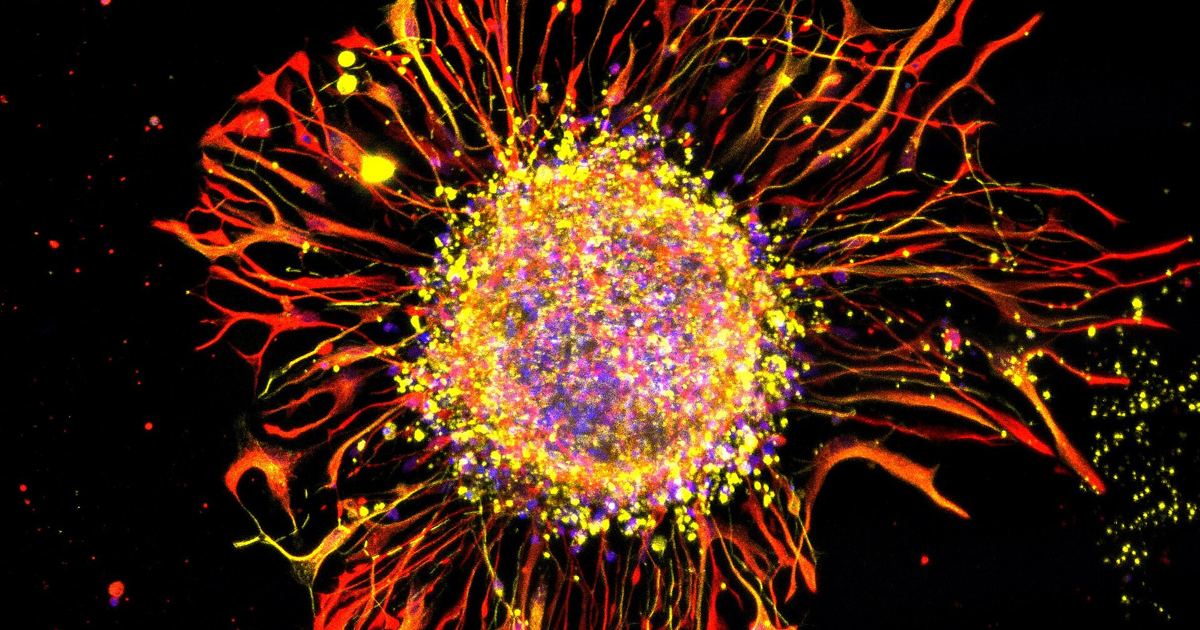
Skin cells rely on complex chemical communication networks to maintain genetic stability and defend against ultraviolet radiation. At the center of this defense is the melanocortin-1 receptor, a cellular structure embedded in pigment-producing melanocytes. While consumers exploring skin pigmentation often hear about receptor activation in commercial or synthetic contexts, basic biological research focuses on how internal enzymes regulate receptor function naturally. A laboratory study published in Cancer Research investigated how an essential cellular energy sensor interacts with specific enzymes to boost receptor signaling and suppress melanoma formation.
Comparing Standard Receptor Function and Red Hair Variants
To understand how enzymes influence skin cancer risk, researchers compare standard receptor behavior against inherited variations. Individuals carrying human red hair color variants in the melanocortin-1 receptor face distinct biological challenges. These inherited variations associate with impaired repair of cellular DNA damage and a significantly increased risk of developing melanoma. Understanding how this receptor signals within cells helps clarify why these vulnerabilities exist.
For the receptor to signal properly, it requires a chemical modification called palmitoylation. This critical modification is primarily carried out by a specific protein acyltransferase called zinc finger DHHC-type palmitoyltransferase 13, commonly referred to as ZDHHC13. In baseline red hair color variants, this interaction can remain suboptimal, leaving downstream defensive pathways underactive. For a deeper look at this process, explore our overview on MC1R palmitoylation and melanoma protection.
The Phosphorylation Shift: How AMPK Modifies ZDHHC13
The 2023 investigation uncovered a functional bridge between energy regulation and tumor suppression by examining AMP-activated protein kinase, or AMPK. AMPK serves within cells as a primary sensor of metabolic and cellular energy states. When examining the interaction between these proteins, researchers identified a specific biochemical event that alters receptor activity:
- Without AMPK modification: ZDHHC13 exhibits a weaker physical interaction with red hair color variants of the melanocortin-1 receptor, resulting in lower baseline palmitoylation and reduced downstream protective signaling.
- With AMPK phosphorylation: AMPK phosphorylates ZDHHC13 specifically at site S208. This molecular modification strengthens the physical binding between ZDHHC13 and the variant receptor.
- Downstream consequences: The reinforced binding leads directly to enhanced palmitoylation of the variant receptor, which in turn elevates downstream signaling cascades inside the melanocyte.
By comparing the modified and unmodified states, the investigators demonstrated that the activation of an energy-sensing kinase can chemically compensate for inherent functional deficiencies in high-risk receptor variants.
Laboratory Evidence: Cellular Responses and Animal Models
The study evaluated this enzymatic switch across multiple experimental layers to see whether enhanced signaling translated into measurable tumor suppression. In cell culture experiments, human melanocytes subjected to AMPK activation and resulting receptor palmitoylation demonstrated a distinct biological outcome: the pathway repressed transformation typically triggered by ultraviolet B radiation.
The authors also compared outcomes in animal models using C57BL/6J mice carrying red hair color receptor variants. In these living models, activating this biochemical cascade delayed the onset of melanomagenesis. Furthermore, when the researchers examined human melanoma tissue data, they observed that elevated AMPK levels correlated with increased expression of factors downstream from receptor signaling and with longer overall survival in patients. These laboratory findings illustrate the protective potential of activating natural cellular defense cascades, as discussed in our guide to MC1R and skin pigment.
Study Design, Boundaries, and Research Limitations
While these molecular insights provide valuable biological context, it is critical to interpret them within the exact limits of the published study. This paper represents a single investigation combining laboratory cell cultures, a specific C57BL/6J mouse model, and correlational data from human tissue databases. It does not establish a clinical therapy, nor does it demonstrate that oral supplements, external stimulants, or lifestyle modifications can safely replicate these targeted molecular events in human skin.
Preclinical animal models and in vitro cell studies do not always translate directly into clinical outcomes. Furthermore, the correlation observed in human melanoma samples between AMPK upregulation and prolonged patient survival is observational; it does not prove direct causation on its own. The authors highlighted this pathway as a conceptual strategy to explore for cancer prevention in individuals with red hair variants, rather than an immediate medical intervention.
Clinical Caution and Unregulated Tanning Peptides
Because the melanocortin system influences skin pigment, scientific findings regarding receptor signaling are sometimes misinterpreted by non-medical communities seeking tanning solutions. Online vendors frequently sell unregulated synthetic peptides like melanotan to individuals hoping to alter their pigmentation. However, these unregulated products carry severe health risks, lack regulatory oversight, and operate entirely outside the precise biochemical controls identified in legitimate academic research.
Attempting to self-manipulate pigment pathways bypassing verified medical frameworks exposes consumers to unknown chemical impurities and systemic side effects. Anyone seeking guidance on skin health, mole monitoring, or personalized skin cancer prevention strategies should consult a board-certified dermatologist or licensed physician rather than relying on experimental peptide research.
Sources
Published October 31, 2026. Sources are linked in the text. See our Medical Disclaimer.