How UV Mutates Melanocyte DNA: Lessons from Clinical Melanoma Cases
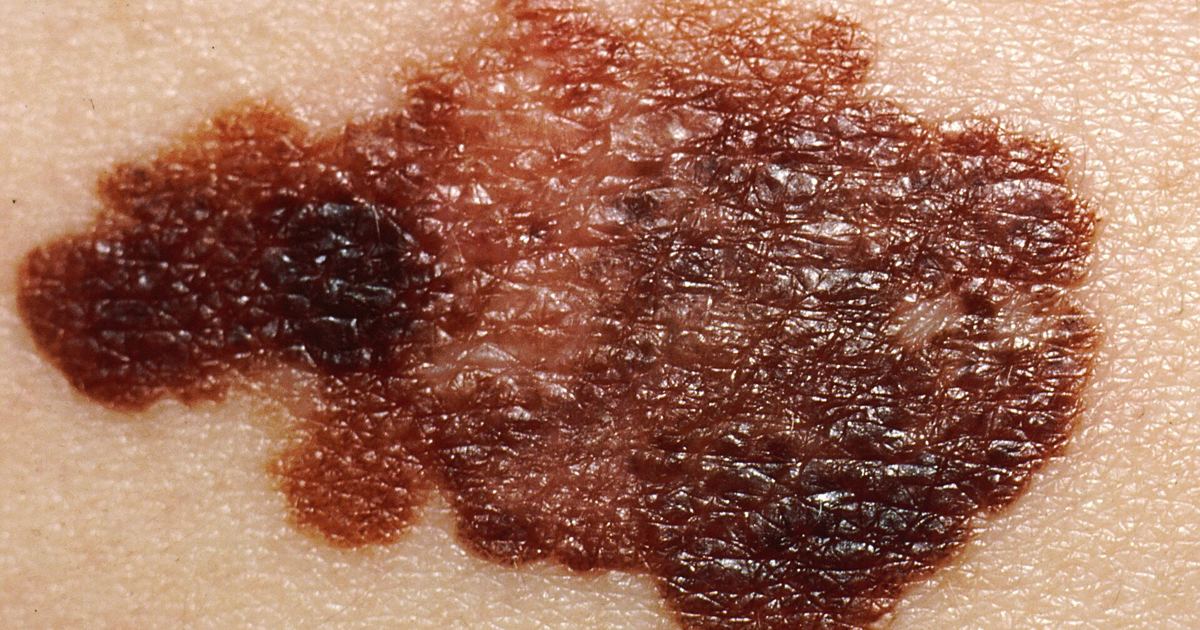
Understanding the cellular damage caused by ultraviolet light helps explain how everyday radiation exposure turns healthy pigment-producing cells into invasive skin cancers. In dermatology, evaluating patient presentations reveals how ultraviolet rays systematically damage cellular structures, creating a dangerous chain of events inside the skin.
Clinical Observation: How UV Exposure Overwhelms Cellular Repair
Ultraviolet light is a known carcinogen. Every time ultraviolet light strikes bare skin, it causes immediate physical damage to the DNA located inside cutaneous cells. Under normal physiological conditions, the human body mobilizes specialized defense pathways to correct this damage. However, when the volume of cellular injury outpaces what the body is capable of repairing, permanent structural changes develop within the genetic code.
As documented in the American Academy of Dermatology overview on melanoma causes, these uncorrected alterations accumulate over time. When mutational loads build up across cell generations, malignant transformation becomes possible. The ultimate classification of the resulting skin malignancy depends directly on which cellular lineage suffers the damage.
The Melanocyte Cascade: From Normal Pigment Cell to Malignancy
Melanoma specifically arises when genetic mutations settle inside melanocytes, the specialized cells responsible for producing skin pigment. Rather than simply causing superficial redness, ultraviolet exposure initiates a deeper pathological cascade:
- Direct DNA Damage: Radiant energy penetrates into the melanocytes, breaking chemical bonds within cellular DNA.
- Failed Repair Threshold: Excessive or repeated radiation creates more molecular breaks than internal repair mechanisms can resolve.
- Cumulative Mutation: Faulty genetic sequences are preserved and copied during cellular replication.
- Malignant Transformation: Uncontrolled cellular replication drives the transition toward melanoma, a progression detailed in clinical reviews on how melanoma develops from melanocytes.
Research confirms that ultraviolet exposure from both natural sunlight and indoor tanning equipment directly causes melanoma and significantly increases the likelihood that a preexisting, normal mole will undergo malignant transformation.
Lessons from High-Risk Patient Profiles: Compounding Vulnerabilities
Clinical data show that certain biological traits lower a patient's threshold for cumulative DNA damage. A history of blistering sunburns indicates that ultraviolet radiation has inflicted severe, high-grade cellular trauma. Furthermore, artificial indoor tanning devices deliver ultraviolet radiation that tends to be stronger than ambient natural sunlight, accelerating genetic changes.
Practitioners frequently observe increased melanoma vulnerability in individuals who present with specific physical and demographic markers:
- Fair skin that burns easily and rarely tans
- Sun-sensitive skin with a tendency to freckle easily
- Blue or green eyes, alongside naturally red or blonde hair
- Having celebrated a 50th birthday, though melanoma can develop earlier
- Displaying 50 or more moles across the body
- Possessing a mole that covers a large area of skin
- Having 1 or more atypical moles, characterized by jagged borders, asymmetrical shapes that are not perfectly round, or multiple colors
These clinical markers highlight how baseline genetic pigment traits interact with external ultraviolet rays, a connection frequently observed in case reports on moles and melanoma.
Systemic Impairments and Extreme Genetic Case Lessons
The crucial role of cellular repair mechanisms is demonstrated most clearly in rare clinical conditions like xeroderma pigmentosum. In patients with this condition, the skin completely lacks the biological ability to repair any damage caused by ultraviolet light. Because unrepaired mutations accumulate unchecked after every exposure, medical estimates indicate that xeroderma pigmentosum raises skin cancer risk 10,000-fold.
Systemic factors also impair how the body handles oncogenic stress. A weakened immune system—whether caused by human immunodeficiency virus or antirejection medications administered after an organ transplant—substantially elevates melanoma risk. Personal histories of non-melanoma skin cancer, melanoma, breast cancer, or thyroid cancer similarly indicate heightened susceptibility, as does carrying inherited familial genes when close blood relatives have had melanoma.
Clinical Takeaways for Surveillance and Skin Defense
Melanoma is not limited to individuals with pale complexions; it develops in individuals across all skin colors, from the palest to the darkest. In individuals with skin of color, melanomas frequently manifest on the soles of the feet, the palms of the hands, or beneath and around nails, areas where ultraviolet exposure is not believed to play a primary role.
Because individuals cannot confirm whether an unusual lesion is malignant by visual self-inspection alone, following AAD clinical guidance on melanoma causes means seeking out a board-certified dermatologist whenever a new or changing spot appears. Preventive daily protocols should include sun-protective clothing, broad-brimmed hats, pants, long sleeves, and water-resistant, broad-spectrum sunscreen with an SPF of 30 or higher.
Sources
American Academy of Dermatology: Skin Cancer Types: Melanoma Causes
Published October 30, 2026. Sources are linked in the text. See our Medical Disclaimer.