Indoor Tanning and Keratinocyte Cancers: The 2012 BMJ Review
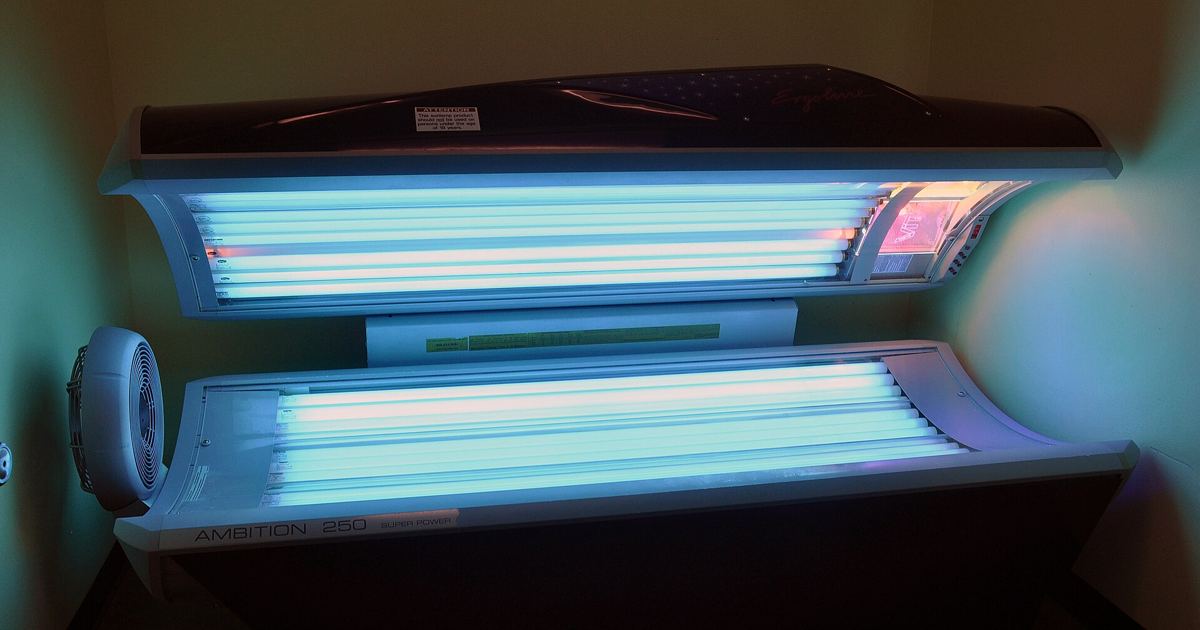
Many individuals exploring tanning methods look into commercial tanning salon equipment without realizing the extent of the peer-reviewed evidence evaluating artificial ultraviolet exposure. A major systematic review and meta-analysis published in 2012 investigated the specific relationship between indoor tanning and keratinocyte carcinomas, commonly called non-melanoma skin cancers. Understanding what this benchmark paper identified—and where its methodological boundaries lie—can help readers make informed, health-first decisions in consultation with a doctor or board-certified dermatologist.
How the Systematic Review Was Conducted
The research paper, titled "Indoor tanning and non-melanoma skin cancer: systematic review and meta-analysis," was published in 2012 in the journal BMJ (Clinical research ed.). The objective of the authors was to synthesise the available medical literature on indoor tanning and non-melanoma skin cancer. To gather eligible records, the researchers conducted comprehensive database searches across PubMed from 1966 to the time of the review, Embase from 1974 to the present, and Web of Science from 1898 to the present.
The study selection criteria included all articles that reported an original effect statistic evaluating indoor tanning alongside non-melanoma skin cancer. Articles that provided no original data, such as editorials and review articles, were excluded, as were any publications written in languages other than English. To reduce extraction errors, two investigators independently extracted the data. The researchers then used a random effects meta-analysis to calculate summary relative risks comparing individuals who reported ever using indoor tanning with those who had never used it.
What the Meta-Analysis Found for Carcinoma Risks
Across the pooled literature, the authors identified 12 studies comprising a total of 9328 cases of non-melanoma skin cancer. When looking across these investigations, the paper reported statistically elevated risks for the two major forms of keratinocyte carcinoma, which are detailed in our guide to types of skin cancer:
- Squamous cell carcinoma: For people who reported ever using indoor tanning compared with those who never used it, the summary relative risk was 1.67, with a 95% confidence interval ranging from 1.29 to 2.17.
- Basal cell carcinoma: Ever use of indoor tanning showed a summary relative risk of 1.29, with a 95% confidence interval spanning 1.08 to 1.53.
- Study consistency: The analysis noted that no significant heterogeneity existed between the included studies.
The authors also calculated the population attributable risk fraction specifically for the United States population. According to the analysis, the population attributable risk fraction was estimated to be 8.2% for squamous cell carcinoma and 3.7% for basal cell carcinoma. In absolute terms within the United States, the authors determined that this corresponds to more than 170 000 cases of non-melanoma skin cancer attributable to indoor tanning each year.
Evaluating Early-Life Exposure Before Age 25
The systematic review also examined dose-response trends and the impact of artificial ultraviolet exposure during younger developmental years. Based on data drawn from three studies that tracked age at first exposure, starting indoor tanning before age 25 demonstrated stronger relative risk estimates for both cancer types:
- For squamous cell carcinoma, indoor tanning before age 25 was associated with a relative risk of 2.02 (95% confidence interval 0.70 to 5.86).
- For basal cell carcinoma, indoor tanning before age 25 was associated with a relative risk of 1.40 (95% confidence interval 1.29 to 1.52).
The authors concluded that indoor tanning represents a modifiable risk factor associated with a significantly increased risk of both forms of cancer, with higher risk observed among those exposed in early life. For a broader examination of salon equipment radiation, see our review on tanning beds and UV cancer risk.
What the 2012 Study Does Not Prove
While the findings in the PubMed record of the BMJ meta-analysis provide substantial population-level data, it is critical not to overstate the conclusions. The paper is an observational meta-analysis combining 12 observational case-control or cohort datasets; it is not a prospective randomized controlled trial, which would be unethical to conduct with a known carcinogen.
Because the underlying studies relied on observational reporting, exposure assessment often depended on participant recall regarding whether they had ever used a tanning bed. In addition, when evaluating indoor tanning before age 25, the subset was limited to three studies, resulting in a wide 95% confidence interval for squamous cell carcinoma (0.70 to 5.86) that crossed the null value of 1.0. Furthermore, the systematic review restricted its search to English-language publications, meaning data published in other languages were not synthesized in these figures.
Clinical Takeaways for Skin Safety
The authors of the review emphasized that because indoor tanning is modifiable, it accounts for hundreds of thousands of non-melanoma skin cancer diagnoses each year in the United States alone and many more worldwide. They noted that these findings support public health campaigns and regulatory policies aimed at reducing exposure to artificial tanning equipment.
Anyone evaluating options for tanning should remember that unapproved tanning peptides, such as melanotan compounds sold online, are neither regulated nor medically approved for cosmetic tanning. Rather than turning to commercial sunlamps or black-market products, individuals concerned about ultraviolet exposure, mole changes, or irregular growths should consult a dermatologist for personalized clinical guidance.
Sources
Indoor tanning and non-melanoma skin cancer: systematic review and meta-analysis. (PubMed / BMJ)
Published October 28, 2026. Sources are linked in the text. See our Medical Disclaimer.