Indoor Tanning Dependence: Prevalence and Markers in Young Women
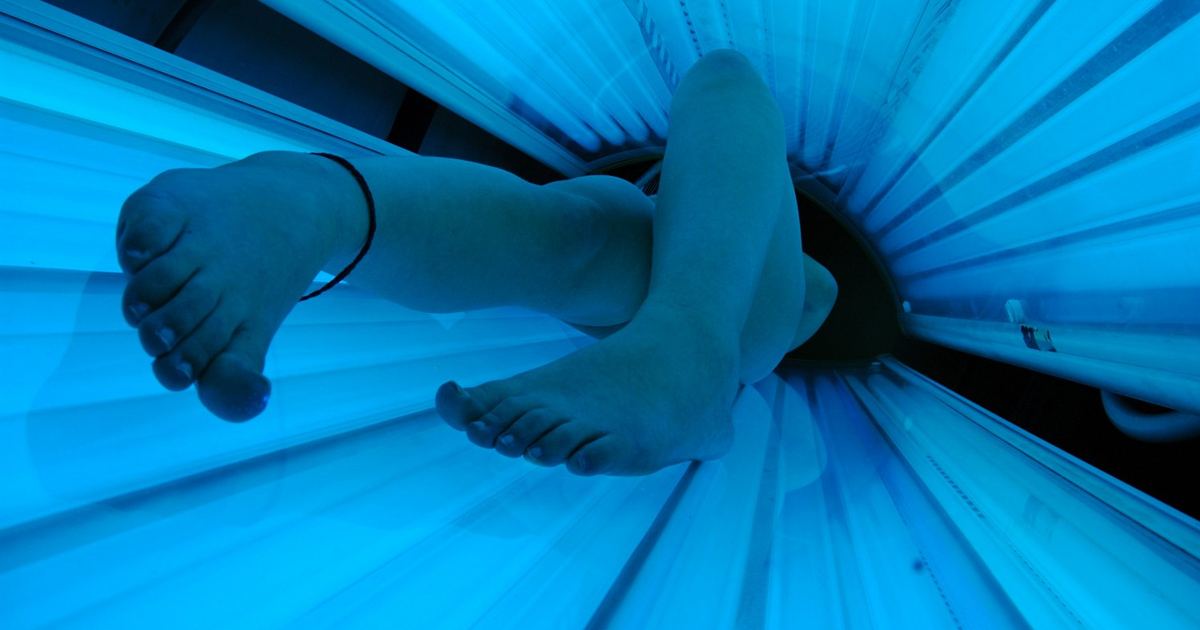
Indoor tanning carries well-documented health hazards, yet many individuals find it difficult to stop using tanning beds even when they understand the dangers. To better understand this pattern, researchers have evaluated whether tanning can take on addictive qualities. An investigation published in Cancer Epidemiology, Biomarkers & Prevention titled Indoor Tanning Dependence in Young Adult Women assessed the prevalence of tanning dependence and identified psychological and behavioral markers associated with the condition.
Study Design and Participant Profile
The research was conducted as a cross-sectional study involving a community sample of 389 non-Hispanic white young adult women between the ages of 18 and 30. To qualify for inclusion, participants had to report having used indoor tanning at least once (≥1 time) over the course of the previous year. Because this was a single cross-sectional evaluation, it captured participant behaviors, psychological states, and self-reported habits at a specific snapshot in time rather than tracking changes longitudinally.
To measure dependence, researchers utilized established screening assessments adapted for tanning behavior. These included a modified CAGE assessment and a modified psychiatric screening assessment based on the Diagnostic and Statistical Manual for Mental Disorders-IV. In addition to tanning dependence metrics, the investigators collected data on participant tanning history, appearance beliefs, perceived risks and benefits, and co-occurring psychiatric symptoms, specifically looking at depressive symptoms.
What the Study Found: Dependence and Associated Markers
Across the evaluated group, 22.6% of the women screened positive for indoor tanning dependence according to the study measures. Through multivariable analyses, the researchers identified several statistically significant factors linked with an increased likelihood of screening positive for dependence:
- Frequent bed use: Women who reported indoor tanning ≥20 times in the past year had more than three times higher odds of dependence (adjusted odds ratio [aOR] = 3.03; P = 0.015).
- Depressive symptoms: The presence of depressive symptoms showed the strongest association with tanning dependence (aOR = 3.79; P < 0.001).
- Perceived susceptibility to risks: Surprisingly, higher perceived personal vulnerability to indoor tanning risks was strongly tied to dependence (aOR = 2.72; P < 0.001).
- Beliefs about benefits: Stronger beliefs regarding the perceived benefits of tanning more than doubled the odds of screening positive (aOR = 2.15; P = 0.004).
- Appearance concerns: Stronger beliefs regarding physical appearance significantly increased the odds of dependence (aOR = 1.73; P = 0.037).
- Age of first use: A younger age of indoor tanning initiation was associated with higher odds of dependence (aOR = 0.79; P = 0.017).
These findings point toward a complex cluster of drivers. Frequent visits and an early start are central behavioral markers, but mood disturbances and entrenched beliefs about personal appearance also feature prominently in the profile of dependent tanners.
The Paradox of Risk Awareness
One striking result from the 2017 indoor tanning dependence study is the relationship between dependence and risk perception. Dependent tanners were not simply uninformed; in fact, having a greater perceived susceptibility to the risks of indoor tanning was associated with nearly triple the odds of dependence (aOR = 2.72). This demonstrates that awareness of harm does not necessarily translate into behavior cessation.
When tanning functions as an emotional coping mechanism or a compulsive habit driven by depressive symptoms or appearance pressures, factual knowledge about ultraviolet radiation hazards can be overridden. Understanding this disconnect is essential when exploring tanning beds and UV risk, as standard warnings about skin damage may fail to reach individuals who feel a psychological compulsion to continue.
What This Study Does Not Prove
While the findings provide valuable insight, it is critical not to overstate what this single study demonstrates. First, because the research used a cross-sectional design, it cannot prove cause and effect. It does not prove that depressive symptoms or appearance beliefs cause tanning dependence, nor does it prove that tanning dependence causes depression. The data merely confirm that these characteristics co-occur within the sample.
Second, the sample size was limited to 389 participants and was strictly restricted to non-Hispanic white women between the ages of 18 and 30. The findings cannot be automatically generalized to men, older adults, or individuals of different racial and ethnic backgrounds. Furthermore, screening positive on modified CAGE or modified DSM-IV questionnaires reflects a behavioral indicator rather than a formalized, universally recognized medical diagnosis.
Addressing the Root Drivers of Tanning Habits
The study authors concluded that comprehensive skin cancer prevention initiatives must address dependence along with its leading risk factors. For individuals who find themselves frequently returning to tanning salons despite knowing the dangers, simply reading warnings about skin damage may not be enough. Addressing underlying depressive symptoms, self-image concerns, and emotional drivers with a licensed medical professional or counselor can be an essential step. Anyone concerned about past ultraviolet exposure or changes on their skin should consult a board-certified dermatologist for a comprehensive skin evaluation.
Sources
Published October 28, 2026. Sources are linked in the text. See our Medical Disclaimer.