Indoor Tanning for Vitamin D: Myth vs. Clinical Evidence
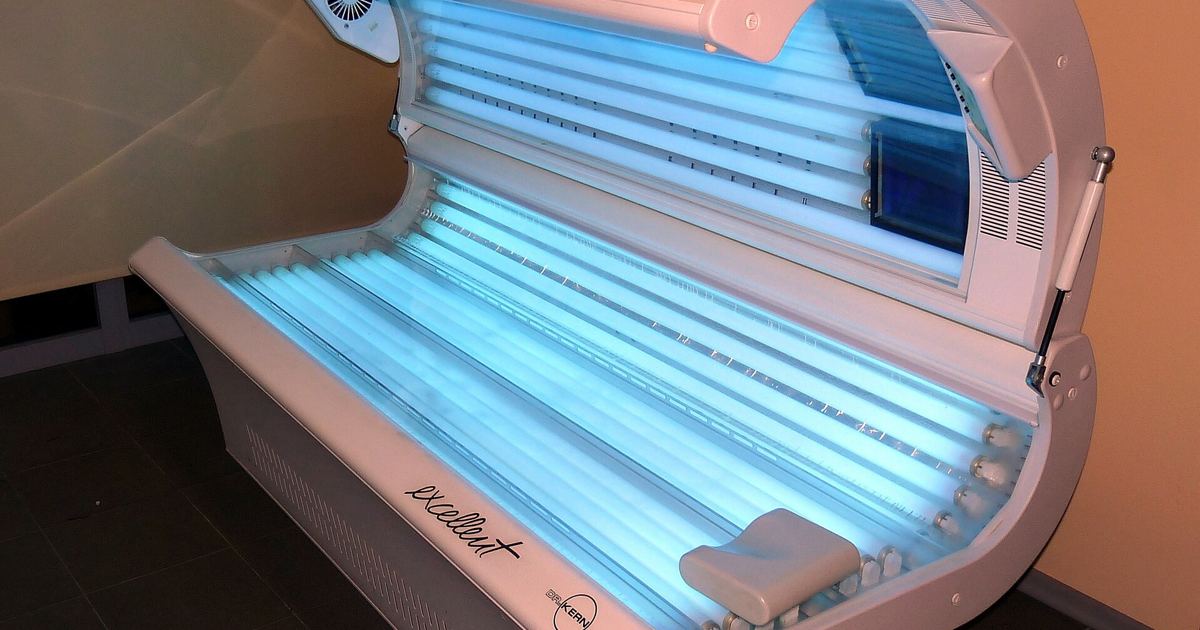
A common argument circulating in tanning communities suggests that indoor sunlamps and booths represent an efficient, health-conscious method for maintaining systemic vitamin D. Commercial marketing often frames tanning beds as a controlled substitute for natural sunlight, claiming they offer widespread wellness benefits. However, a rigorous look at medical literature and scientific review reveals why health authorities and dermatologists do not view indoor tanning devices as a safe or recommended source for this essential nutrient.
Myth: Tanning Devices Are a Doctor-Approved Way to Build Vitamin D
Advocates often claim that because ultraviolet radiation stimulates nutrient production in the skin, indoor tanning sessions can be recommended as part of a balanced wellness routine. In clinical medicine, however, indoor tanning devices are fundamentally linked to severe cellular harm.
It is now considered undeniable in medical science that indoor tanning exposure is directly associated with a variety of skin cancers. While the human body does rely on ultraviolet (UV) B sources exposure to trigger cutaneous synthesis, artificial tanning units deliver radiation that damages cellular DNA. For this reason, medical organizations do not endorse artificial tanning booths as a therapeutic intervention for nutrient deficiency. To learn more about how artificial radiation impacts cellular structures, read about tanning beds and skin cancer risk.
Evidence: Inside the 2018 Advances in Clinical Chemistry Paper
To understand where the debate originates, one must look at how researchers evaluate the biological trade-offs of UV radiation. In a 2018 review article titled Indoor Tanning a Gianus Bifrons: Vitamin D and Human Cancer., published in Advances in clinical chemistry, the author examined this exact paradox. The title references Janus Bifrons, the dual-faced Roman deity, illustrating the sharp contrast between systemic nutrient synthesis and localized tissue oncogenesis.
The 2018 review acknowledged that vitamin D is a fat-soluble vitamin naturally present in a limited number of foods, meaning circulating levels in humans depend heavily on UVB exposure. Notably, laboratory and clinical data confirm that UVB radiation emitted from indoor tanning devices is effective to linearly increase the serum vitamin D concentration, up to twofold. However, documenting that a tanning bed can elevate circulating blood values is not the same as proving it is a safe or advisable medical strategy.
Myth: Non-Skin Health Benefits Cancel Out Tanning Bed Dangers
Another prevalent myth is that the broader systemic protection associated with higher vitamin D levels offsets the oncological hazards occurring at the skin surface. The 2018 review in Advances in clinical chemistry explored existing epidemiological observations showing that higher circulating vitamin D correlates with reduced risks for several internal illnesses.
Specifically, the review highlighted a strong, graded, and inverse association between serum vitamin D concentrations and the risk of developing certain types of malignancy, particularly:
- Colorectal cancer
- Breast cancer
- Lung cancer
- Bladder cancer
- Kidney cancer
The paper also noted that overall mortality from any type of cancer is apparently lower in subjects with increased values of serum vitamin D, supported by identified genomic and nongenomic mechanisms that exert anticancer effects. Because of these pathways, favorable effects against nonskin cancers cannot be dismissed at first glance. However, the author explicitly observed that these protective health patterns might not be solely linked to vitamin D status alone, cautioning against assuming that artificial UV radiation is the direct driver of those positive outcomes.
Understanding Study Design and Scientific Boundaries
When evaluating scientific literature, it is critical to distinguish between observational reviews and definitive interventional trials. The 2018 paper is a single review article, not an experimental clinical trial that followed patients over time to test whether tanning beds improve long-term health outcomes.
Because the publication is a literature review, it carries inherent limits. It synthesizes previously published correlations rather than testing whether using a tanning bed leads to better overall survival. In fact, the author concluded that further large, prospective or randomized studies should be planned to definitely establish whether the unfavorable effects of indoor tanning exposure on skin cancers could ever be outweighed by unexplored benefits related to improved vitamin D. Until such rigorous trials exist, assuming that the biological trade-off favors indoor tanning represents an unverified leap that contradicts proven oncological evidence.
Safer Pathways for Maintaining Nutritional Balance
Relying on radiation-emitting machinery to address a nutritional marker introduces proven, irreversible risks of skin carcinogenesis. Because natural foods contain limited quantities of the nutrient, individuals facing low levels do not have to choose between tissue damage and deficiency. Medical providers routinely recommend safer strategies, such as dietary adjustments and oral supplementation, that protect internal health without exposing the skin to hazardous radiation.
Before considering any artificial UV exposure, individuals should consult a physician or dermatologist to test their baseline blood concentrations and discuss evidence-based interventions. To explore oral and dietary strategies that do not involve UV damage, review our guide on maintaining vitamin D without UV damage. As the 2018 review in Advances in clinical chemistry documented, the connection between indoor tanning devices and skin cancers remains undeniable, making artificial tanning an unsafe method for nutritional support.
Sources
Indoor Tanning a Gianus Bifrons: Vitamin D and Human Cancer. (Advances in clinical chemistry)
Published October 30, 2026. Sources are linked in the text. See our Medical Disclaimer.