Injecting Cosmetic Peptides and IPEDs: Public Health Trends Explained
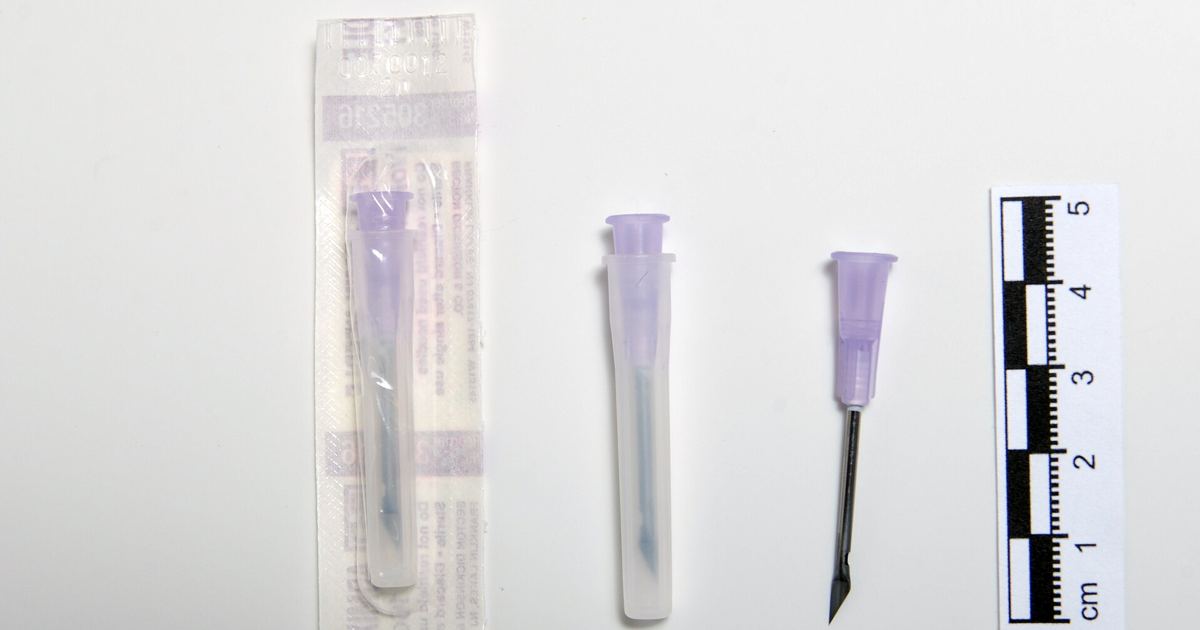
Injecting substances to change physical appearance or improve athletic ability has extended beyond specialized fitness gyms into everyday communities. Public health researchers increasingly monitor how unregulated products reach consumers and what hazards they present. To understand these shifts, researchers compiled evidence on non-medical injecting habits across diverse groups.
What Are Image and Performance-Enhancing Drugs?
Image and performance-enhancing drugs (often abbreviated as IPED) comprise an expansive category of substances taken to alter physique, skin tone, muscularity, or personal presentation. While anabolic androgenic steroids have historically dominated conversations around enhancement, modern markets feature human growth hormone, oil and cosmetic injectables, and unlicensed tanning peptides such as melanotan I and II. For background on these compounds, read our guide on What Is Melanotan? Legal Status Explained.
Public health professionals view the injecting use of IPED in the general population as a distinct community concern. Instead of receiving pharmaceutical-grade substances administered by healthcare professionals for diagnosed medical conditions, individuals increasingly acquire substances independently to alter their personal appearance.
How Was the 2017 Systematic Review Designed?
A major synthesis published in 2017 in the journal Health & social care in the community evaluated this issue directly. As documented in the Health & social care in the community systematic review, investigators conducted a comprehensive literature review utilizing Critical Appraisal Skills Programme (CASP) guidelines. The researchers examined peer-reviewed evidence to map injecting behaviors, consumer motivations, and health outcomes.
The review parameters were deliberate:
- Investigators placed no date restrictions on their database search for studies evaluating human growth hormone, melanotan I and II, or oil and cosmetic injectables.
- The search excluded publications that were not written in English or that lacked clear specificity to the topic.
- The process yielded 133 relevant papers, combining quantitative analyses, qualitative studies, clinical trials, clinical case presentations, and formal reports or editorials.
What Drives the Use of Injectable Peptides and Enhancement Agents?
According to the review of 133 papers, consumer motivations for administering IPED are diverse. Individuals frequently begin using these substances based on goals related to outward appearance, the active pursuit of health and youth, or underlying body image disturbance. Rather than seeking medical therapy for an illness, consumers turn to unregulated injectables to achieve specific aesthetic ideals.
The systematic review highlighted that patterns of administration can vary across populations. Some individuals practice moderated use, whereas others exhibit pathological patterns. Pathological use is frequently linked to high-risk behaviors that can become socially normalized within specific peer groups and online communities.
Where Do Consumers Obtain These Substances?
Accessibility plays a significant role in broader population trends. The review observed that a wide and varied range of enhancement substances is now easily accessible through the online marketplace. Unregulated digital storefronts allow members of the general population to purchase vials and injectable agents without medical supervision, compounding existing health concerns.
Furthermore, the researchers identified that many enhancement trajectories and routines are never formally documented in scientific literature. Instead, substantial discourse occurs across specialized internet discussion forums. These forums serve as an underutilized research setting where uncensored peer discussions take place, often shaping product endorsement and self-administration practices outside conventional healthcare channels. To explore known complications of unmonitored use, see our review of Melanotan Risks and Side Effects.
What Are the Limitations of the 2017 Review?
When reviewing findings from the PubMed report on IPED injecting use, it is essential to interpret the data within the context of its study design. As a single systematic review, its conclusions rely entirely on the quality and scope of the 133 included papers. The exclusion of non-English records and non-specific publications means some global consumer patterns may be underrepresented.
Additionally, because user practices frequently evolve online, peer-reviewed clinical studies often lag behind real-world behavior. The authors explicitly stated that future clinical and internet research is necessary to accurately track population prevalence, identify evolving injection patterns, and systematically map long-term health outcomes. The paper was designed primarily to assist health and social policy makers, harm reduction interventions, and community-based health promotion services rather than establish definitive statistical prevalence figures.
Why Is Clinical Guidance Recommended?
Injectable peptides, unlicensed tanning agents, and unregulated enhancement drugs bought over the internet bypass the quality testing, sterile manufacturing standards, and clinical safety monitoring required for approved pharmaceuticals. Injecting unverified substances carries substantial clinical risks. Anyone considering cosmetic alterations or dealing with skin concerns, pigment changes, or body image distress should consult a qualified doctor or board-certified dermatologist for safe, evidence-based medical care.
Sources
The injecting use of image and performance-enhancing drugs (IPED) in the general population: a systematic review. — PubMed / Health & social care in the community
Published October 31, 2026. Sources are linked in the text. See our Medical Disclaimer.