Laser-Assisted Delivery of Tranexamic Acid for Melasma: Research Brief
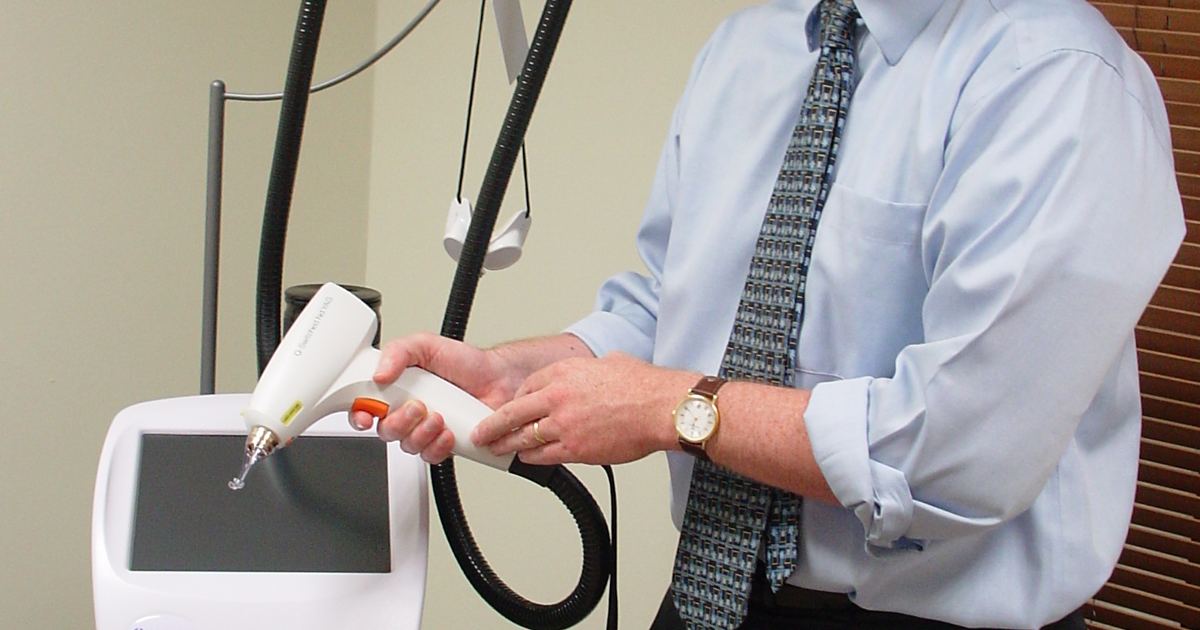
Melasma presents as irregular, darkened patches across sun-exposed areas of the face and can prove remarkably resistant to everyday topical routines. When conventional creams fail to provide adequate clearing, clinical investigators explore techniques to enhance medication absorption. One emerging technique is laser-assisted drug delivery (LADD), an approach designed to deliver therapeutic compounds deeper into tissue. A 2022 systematic review published in the Journal of cosmetic and laser therapy : official publication of the European Society for Laser Dermatology synthesized evidence on pairing specialized lasers with topical tranexamic acid (TXA) for individuals managing stubborn melasma. Below is an objective review of what the research demonstrated, its methodological boundaries, and what it means for patient safety.
Understanding Laser-Assisted Drug Delivery (LADD)
The outermost layer of the skin acts as a protective shield, which can make it challenging for topical medications to penetrate down to the depth where pigment-producing cells operate. Laser-assisted drug delivery uses laser energy to create temporary channels in the skin tissue. Once those microscopic pathways are opened, clinicians apply topical agents such as tranexamic acid, enabling the formulation to diffuse into the deeper epidermal and dermal layers rather than sitting on the surface.
Researchers have focused heavily on tranexamic acid because of its ability to address pathways involved in abnormal pigmentation. While topical TXA alone is widely studied, pairing it directly with fractional laser technology aims to bypass barrier resistance and target localized pigment clusters more effectively than standalone creams.
The 2022 Meta-Analysis: Structure and Methodology
To determine whether laser-assisted delivery of tranexamic acid provides a genuine therapeutic advantage, investigators performed a systematic search across five major research databases: Embase, Web of Science, PubMed, Google Scholar, and the Cochrane Library. The review authors established strict eligibility criteria, focusing exclusively on randomized controlled trials (RCTs) that directly compared laser-assisted delivery of TXA against laser-alone or topical TXA-alone interventions.
The researchers applied several methodological standards to evaluate the literature:
- Only randomized controlled trials were included to isolate the specific impact of adding laser delivery to TXA.
- A total of five RCTs met all qualification criteria and were analyzed.
- Clinical progress was measured using standardized tools, specifically the Melasma Area Severity Index (MASI) or the modified Melasma Area Severity Index (mMASI).
- All statistical evaluations were calculated using Review Manager (RevMan) software, version V.5.3, using standardized mean differences and 95% confidence intervals.
Clinical Outcomes Across Laser Modalities
The five clinical trials gathered within this systematic review tested two distinct categories of equipment: ablative fractional photothermolysis and nonablative dermal remodeling laser modalities. Both platforms are designed to modify tissue architecture, either through microscopic surface vaporization or controlled deeper thermal heating.
According to the statistical synthesis in the 2022 meta-analysis, both laser modalities combined with tranexamic acid yielded a statistically significant reduction in MASI and mMASI scores compared to control treatments (P = .0003). By demonstrating consistent pigment reduction across both ablative and nonablative platforms, the analysis concluded that laser-assisted delivery of TXA represents a new, effective treatment option for clearing melasma patches.
Observed Side Effects and Safety Profile
Safety is a vital concern whenever energy-based devices are applied to hyperpigmented skin. Lasers generate localized heat, which carries the theoretical possibility of triggering irritation or unintended pigmentary shifts. In the five evaluated trials, the authors noted an encouraging tolerability record.
No serious adverse events occurred among participants receiving laser-assisted TXA therapy. The negative reactions observed were minor, consisting strictly of mild erythema (temporary redness) and burning pain during or after the procedure. These findings led the authors to conclude that the intervention maintained a safe procedural profile within the controlled settings evaluated.
Study Limitations and Evidence Boundaries
While the conclusions from this publication are positive, readers should consider the limitations of the evidence before viewing LADD as a universal remedy:
- Small trial pool: The meta-analysis drew upon only five randomized controlled trials, representing a limited total evidence base.
- Variable laser parameters: The inclusion of both ablative fractional and nonablative dermal remodeling devices means protocol specifics, including pulse settings and passage passes, varied across the underlying trials.
- Lack of long-term recurrence data: Melasma is notoriously prone to relapse, especially after UV exposure, and the paper focused strictly on clinical index scores rather than multi-year remission rates.
Practical Takeaways for Resistant Melasma Care
For individuals dealing with persistent facial discoloration, this research offers a clear look at how advanced in-office therapies function. Rather than turning to unverified internet remedies or unregulated systemic peptides, patients should look to evidence-based dermatology:
- Consult a board-certified dermatologist: Because lasers interact differently with distinct complexions, determining whether an ablative or nonablative approach is suitable requires professional clinical examination.
- Recognize melasma as a multi-layered condition: Deep pigment often resists single-agent topical regimens, explaining why procedural delivery methods are being actively investigated for patchy skin discoloration.
- Maintain strict photoprotection: Laser treatments make skin sensitive, and UV light can rapidly counteract clinical improvements, making daily broad-spectrum sun safety foundational.
Sources
Efficacy and safety of laser-assisted delivery of tranexamic acid for the treatment of melasma: a systematic review and meta‑analysis. — PubMed / Journal of cosmetic and laser therapy : official publication of the European Society for Laser Dermatology (2022)
Published October 31, 2026. Sources are linked in the text. See our Medical Disclaimer.