MC1R and Wound Healing: How the Melanocortin Receptor Guides Skin Repair
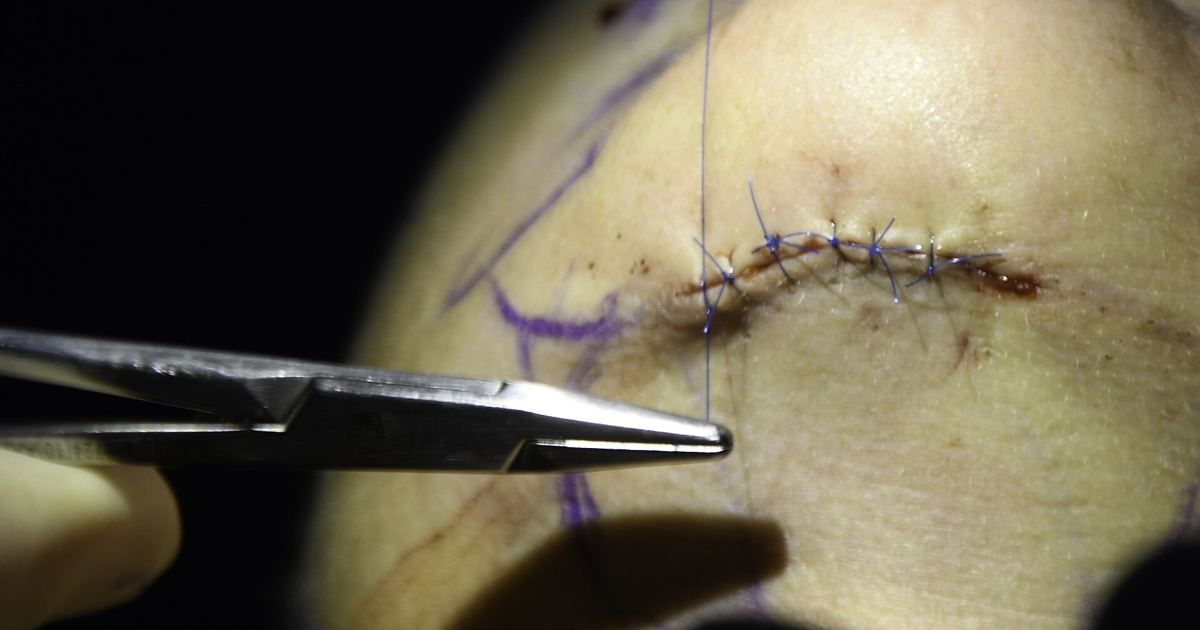
Most discussions surrounding the melanocortin 1 receptor center on skin tanning and pigmentation pathways. However, emerging research indicates that this receptor system plays a far broader role in cutaneous health than previously recognized. A 2025 laboratory study published in the Proceedings of the National Academy of Sciences of the United States of America highlights a direct relationship between the pro-opiomelanocortin-melanocortin 1 receptor (POMC-MC1R) axis and cutaneous tissue restoration. By evaluating both human ulcer tissue and experimental models, researchers discovered that MC1R signaling directly regulates cellular repair, inflammation resolution, and blood vessel formation during wound recovery.
The POMC-MC1R Axis Across Chronic Skin Ulcers
Chronic wounds represent an ongoing clinical challenge because they fail to proceed through normal healing stages, remaining trapped in persistent inflammation. To understand why normal resolution stalls, investigators examined the biological machinery behind wound closure. The 2025 study identified dysregulation of the POMC-MC1R pathway as a shared molecular characteristic across three major types of human chronic wounds:
- Diabetic ulcers
- Venous ulcers
- Pressure ulcers
In all three conditions, disruptions within the POMC-MC1R signaling axis were observed alongside classic markers of stalled recovery. Rather than acting merely as a pigment driver, as often discussed in MC1R and skin pigment biology, this receptor network appears fundamentally intertwined with how the skin manages local inflammation and initiates epithelial closure.
What Animal Models Found About Defective MC1R Signaling
To evaluate what happens when this signaling pathway is compromised, the study utilized MC1Re/e mice that lack functional MC1R receptors. When subjected to wound challenges, these receptor-deficient animals exhibited significantly impaired healing. Specific pathological outcomes observed in the research included:
- Delayed reepithelialization of the injured skin
- Increased formation of neutrophil extracellular traps, a process known as NETosis
- Development of more severe, nonhealing ulcers with excessive exudate production
These cellular defects closely mirror the microenvironment seen in nonhealing human chronic wounds, where unresolved inflammation and cellular debris prevent tissue edges from migrating together to close the barrier.
Accelerating Repair: Evidence From Targeted Agonists
To test whether stimulating this receptor could reverse tissue failure, researchers created a specialized murine chronic wound model that replicated human nonhealing, exudate-rich ulcers. They then tested the effects of applying BMS-470539, an MC1R-selective agonist, topically to the damaged tissue. As detailed in the PNAS study on MC1R in acute and chronic wounds, selective topical activation achieved notable restorative benchmarks:
- Lowered exudate production within the ulcer bed
- Stimulated local vascularization
- Facilitated reepithelialization to reclose the open wound
The investigators also tested acute wound settings. In acute injuries, topical MC1R agonist application improved wound bed perfusion and promoted lymphatic drainage. Histological analyses revealed that this functional boost was driven by enhanced angiogenesis (the growth of new blood vessels) and lymphangiogenesis (the development of lymphatic vessels). Furthermore, the agonist helped reduce scarring by altering the phenotype of local fibroblasts.
Critical Boundaries: What the Research Does Not Prove
While the findings provide exciting biological insight into melanocortin signaling, it is critical to recognize the clear boundaries and experimental limits of this single study:
- It does not prove efficacy in human clinical care: The interventional results—including wound closure, scar reduction, and vascular stimulation—were conducted entirely in laboratory mice. Controlled human clinical trials are required before any clinical conclusions can be drawn.
- It tested a specific topical molecule: The positive responses were observed using the selective agonist BMS-470539 applied topically to the wound site, not systemic tanning agents.
- It does not validate unregulated consumer peptides: Synthetic peptides marketed online as melanotan I or melanotan II are unapproved, unregulated compounds. This paper does not demonstrate that recreational tanning injections promote tissue repair or ulcer resolution in people. Readers interested in regulatory standards can learn more about how agencies view these substances in our review of what melanotan is and its legal status.
Clinical Realities and Patient Safety
Managing acute injuries and persistent skin ulcers requires professional medical care. Chronic wounds such as diabetic or venous ulcers carry substantial risks of severe infection, deep tissue damage, and systemic complications. Anyone experiencing delayed wound healing, nonhealing lesions, or unusual skin breakdown should seek evaluation from a qualified dermatologist, primary care doctor, or specialized wound care team rather than attempting self-treatment with experimental compounds.
Sources
Published October 31, 2026. Sources are linked in the text. See our Medical Disclaimer.