MC1R Genetics and Skin Microenvironments: Melanoma Risk FAQ
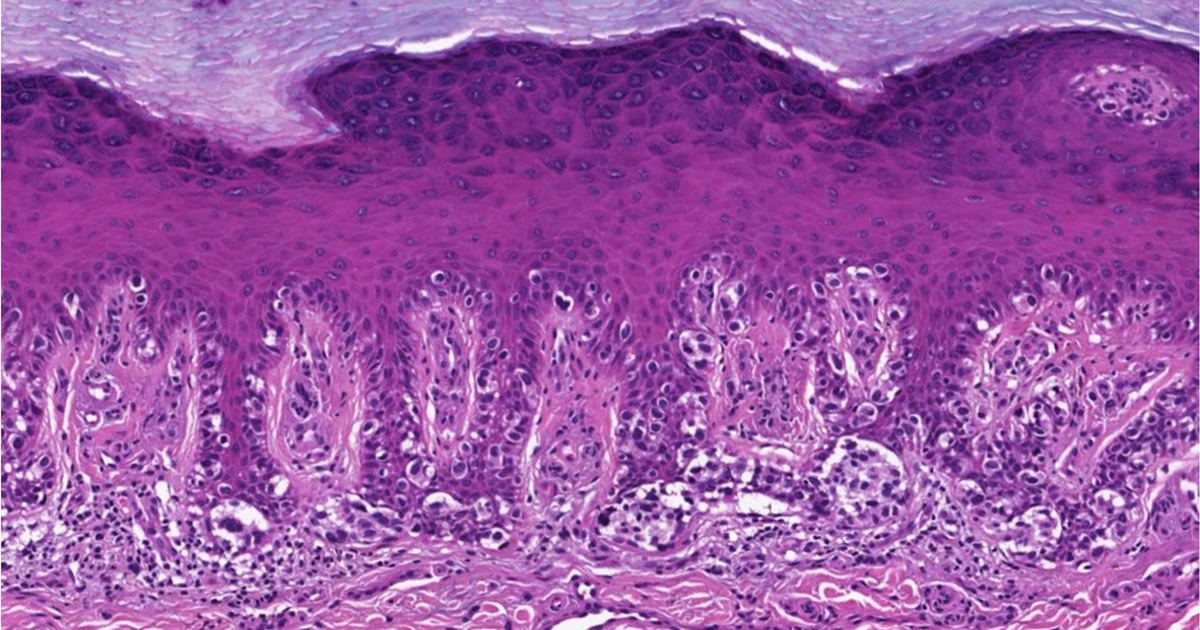
How does an individual's genetic blueprint affect the way skin tissue responds to ultraviolet light? Cutaneous malignant melanoma remains one of the few major cancers exhibiting a positive rate of increase across the developed world. To clarify how cellular geography and biology intersect, researchers synthesized evidence on how external radiation, cellular genetics, and surrounding skin tissue meet.
What did the 2019 review on melanoma development examine?
The 2019 paper titled Macroenvironment-gene-microenvironment interactions in ultraviolet radiation-induced melanomagenesis provides an overview of how sunlight and genetics converge within skin tissue. Published in Advances in Cancer Research with support from the National Institutes of Health, this paper brings together findings on how large-scale external exposures influence the microscopic cellular neighborhood.
Rather than evaluating a single isolated risk factor, the authors framed melanoma development as a multi-layered process. The analysis looked at how external ultraviolet radiation (the macroenvironment) acts upon the intrinsic genetic landscape of melanocytes while simultaneously shifting the local skin microenvironment that houses those pigment-producing cells.
How does the macroenvironment trigger biological changes in skin?
In cancer biology, the macroenvironment refers to the outside world acting upon the human body. An extensive base of epidemiological data has clearly established that ultraviolet radiation (UVR) is the major risk factor for the development of melanoma. This radiation reaches the body through two primary avenues:
- Natural sunlight exposure outdoors.
- Artificial sources of radiation, such as tanning equipment.
When UV radiation reaches the skin, it does not act on dormant tissue in isolation. Instead, it enters a living cellular community. Understanding how UV radiation alters skin cells requires looking past surface tanning to examine how light rays disrupt the intrinsic landscape of the melanocyte.
What is the role of an individual's genetic MC1R profile?
The genetic landscape of an individual forms the intrinsic foundation of cancer vulnerability. A person's melanocortin 1 receptor profile, widely known as the MC1R gene, dictates key features of melanocyte behavior, receptor function, and natural coloration pathways. Exploring MC1R and skin pigment shows that these genetic variants create distinct baseline predispositions across different people.
According to the review, melanoma arises because of a complex interaction between this genetic predisposition and environmental exposure. A specific MC1R profile may leave melanocytes more vulnerable or less responsive to normal tissue cues when environmental rays penetrate the epidermis. This makes inherited genetics an active player in whether cell damage progresses toward malignancy.
How does the local skin microenvironment influence cancer formation?
Melanocytes do not live alone; they are surrounded by neighboring cells, structural proteins, and chemical signals that together form the skin microenvironment. Under normal conditions, this local neighborhood helps regulate melanocyte survival, growth, and tissue homeostasis.
When ultraviolet radiation penetrates the skin, it damages more than just pigment cells. It alters the surrounding microenvironment as well. In the model outlined by the 2019 review in Advances in Cancer Research, changes in the local tissue conspire with the melanocyte's underlying genetic profile. When external stress, tissue breakdown, and genetic susceptibility align, the protective boundaries of the microenvironment falter, promoting conditions that allow melanocytes to turn malignant.
What are the design limitations of this 2019 study?
When evaluating scientific findings, it is essential to recognize the scope and boundaries of the publication:
- Review design: This paper is a literature review rather than a new clinical trial or wet-lab experiment. It synthesizes previously published evidence to build a conceptual framework.
- Murky molecular mechanisms: The study explicitly points out that the exact molecular mechanisms underlying the cause-and-effect relationship between UV radiation and melanoma remain understudied and murky.
- No direct clinical interventions: The authors present an overview of disease mechanisms rather than testing specific medical preventions or therapeutic drugs.
What practical conclusions should readers draw?
Because melanoma rates continue to rise in developed nations and ultraviolet radiation is an undisputedly established primary risk factor, protecting skin from intense UV exposure remains vital. Genetic traits such as your MC1R background cannot be changed, making lifestyle factors and professional monitoring the primary lines of defense.
Individuals researching peptides or tanning products should know that unapproved, unregulated compounds purchased online lack clinical safety oversight and do not bypass inherited biological risks. Anyone concerned about their skin cancer risk, family genetics, or visible changes in moles should consult a licensed doctor or board-certified dermatologist for evidence-based surveillance.
Sources
Published October 31, 2026. Sources are linked in the text. See our Medical Disclaimer.