MC1R Signaling in Melanocyte Survival and Pigment: 2003 Study
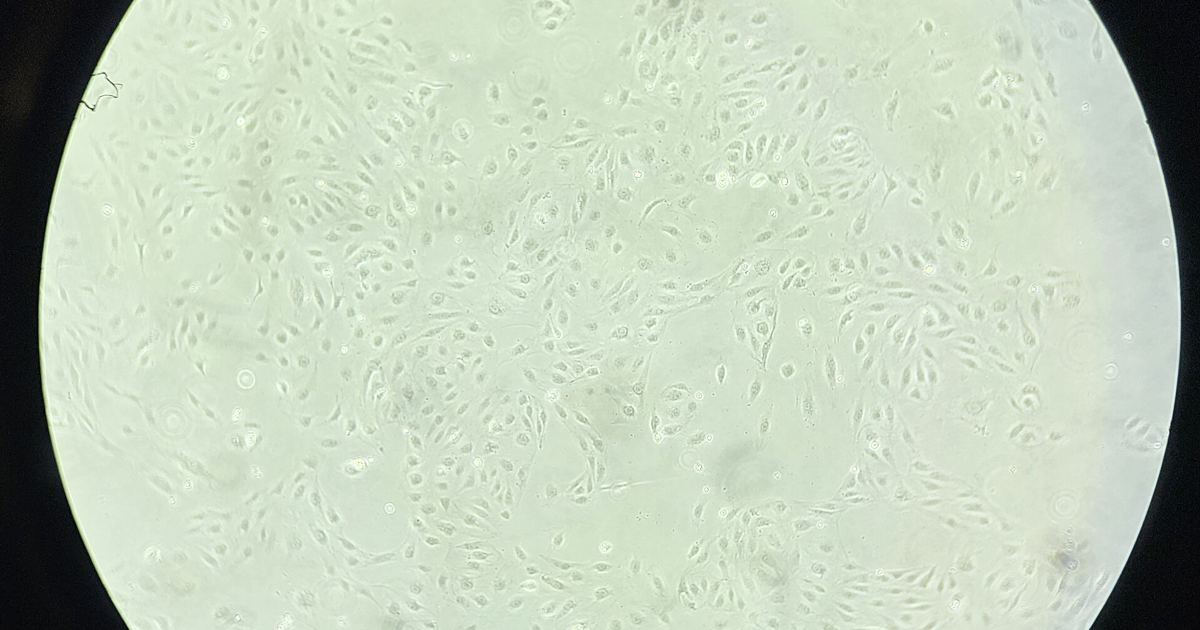
Understanding the cellular mechanisms behind skin coloration requires looking at the specialized receptors resting on the surface of pigment-producing cells. In a laboratory review published in the Annals of the New York Academy of Sciences, researchers evaluated the melanocortin 1 receptor, commonly known as MC1R, to examine how hormonal triggers influence human melanocyte behavior. The study examined how signaling cascades regulate melanocyte survival, cell proliferation, and the synthesis of melanin, while also highlighting what happens when inherited genetic alterations interrupt these critical chemical pathways.
The MC1R Receptor and Melanocyte Activation
Human skin coloration depends heavily on melanocytes, which are the specialized cells responsible for producing melanin. On the surface of these cells sits the melanocortin 1 receptor. When signaling molecules bind to this receptor, they initiate a cascade of internal events that govern cell activity. According to the research documented in the Annals of the New York Academy of Sciences study, the activation of MC1R stimulates both melanogenesis, which is the generation of pigment, and melanocyte proliferation, meaning the replication and growth of these cells.
The investigators noted that genetic changes in the pro-opiomelanocortin gene, known as POMC, or in the MC1R gene itself, are strongly linked to the red hair phenotype. These baseline findings underscore that melanocortin hormones and functional MC1R surface receptors are essential biological requirements for normal human pigmentation pathways, as explored further in our guide to MC1R and skin pigment.
Hormone Potency: Comparing Alpha-MSH, ACTH, and Related Peptides
The 2003 laboratory paper explored how different signaling molecules interact with the receptor to provoke a cellular response. The authors tested several hormones derived from the POMC precursor protein to compare their functional strength in stimulating melanocytes:
- Alpha-MSH and ACTH: The researchers demonstrated that alpha-melanocyte-stimulating hormone, or alpha-MSH, and adrenocorticotropic hormone, or ACTH, were equipotent in activating MC1R. Both hormones showed greater potency than beta-MSH in stimulating human melanocyte proliferation and melanogenesis.
- Beta-MSH: This hormone was able to stimulate the receptor and induce downstream cellular effects, but required higher relative activity compared to alpha-MSH and ACTH.
- Gamma-MSH: Laboratory testing showed that gamma-MSH was the least potent molecule among those evaluated for stimulating proliferation and pigment creation through the receptor.
- Agouti Signaling Protein: In contrast to activating hormones, the presence of agouti signaling protein resulted in the complete abrogation of the stimulatory effects caused by alpha-MSH and ACTH.
Intracellular Cascades: cAMP, Tyrosinase, and Loss-of-Function Mutations
Inside the melanocyte, the physiological signal initiated by alpha-MSH relies on an internal chemical messenger known as cyclic adenosine monophosphate, or cAMP. Under normal circumstances, an increase in cAMP levels triggers enhanced activity of tyrosinase, a key enzyme necessary for melanin synthesis. However, the study identified that this internal signaling chain breaks down entirely in the presence of specific genetic variants.
The research team characterized the MC1R genotype across a panel of human melanocyte cultures. Within this panel, the authors identified three specific cultures carrying distinct variations: one culture homozygous for the Arg160Trp substitution, one culture heterozygous for Arg151Cys and Asp294His substitutions, and one culture heterozygous for Arg160Trp and Asp294His substitutions. When exposed to alpha-MSH, all three cultures completely failed to show an increase in cAMP levels, failed to increase tyrosinase enzyme activity, and failed to increase cell proliferation.
These loss-of-function variations prevent normal signaling cascades from taking place. The authors emphasized that these loss-of-function mutations are clinically associated with the red hair phenotype and carry an increased risk for skin cancer. Conversely, melanocytes carrying a homozygous Val29Met substitution responded normally to alpha-MSH and ultraviolet radiation, leading the authors to conclude that Val29Met represents a benign genetic polymorphism rather than a disabling mutation.
Melanocyte Survival and Protection Against UV Cytotoxicity
A central finding from the 2003 MC1R study is that the receptor controls cell survival independently of whether melanin pigment is physically manufactured. When human melanocytes were exposed to ultraviolet radiation, alpha-MSH promoted melanocyte survival by directly inhibiting UV-induced apoptosis, which is the programmed self-destruction of damaged cells.
This protective survival mechanism was absent in melanocytes with loss-of-function MC1R mutations. In those impaired cultures, the investigators documented an exaggerated response to the cytotoxic effects of ultraviolet radiation. Based on these observations, the investigators predicted that the survival benefit driven by normal alpha-MSH signaling stems from a reduction in UV-induced DNA damage, which contributes directly to the prevention of melanoma.
Study Design, Laboratory Limits, and Clinical Realities
While these findings provide deep insight into molecular biology, readers must recognize the scope and limitations of the evidence. This publication represents a single study and laboratory review based on in vitro cell cultures derived from human tissue donors. Cells maintained in artificial laboratory media do not experience the full systemic, hormonal, and vascular environments present in a living human body.
Furthermore, because the research evaluated pure physiological hormones in a controlled setting, it cannot be used to justify self-administering synthetic peptide compounds. Unregulated tanning injections sold illicitly bypass medical oversight and introduce profound chemical unknowns, which are detailed in our overview of melanotan risks and side effects. Patients seeking guidance on sun sensitivity, mole patterns, or skin cancer prevention should consult a board-certified dermatologist rather than relying on experimental receptor data.
Sources
Published October 30, 2026. Sources are linked in the text. See our Medical Disclaimer.