MC4R Agonism and Sexual Brain Processing: A Study Checklist
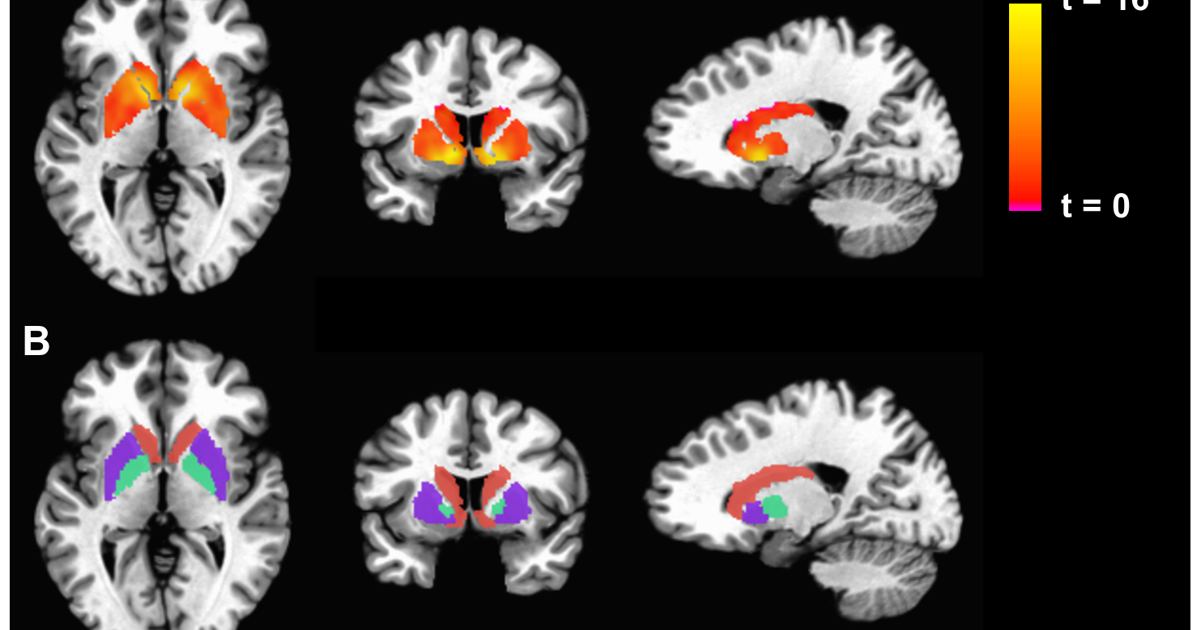
Research into central melanocortin pathways has revealed that melanocortin receptors do far more than influence skin pigment. In clinical neuroscience, investigators examine how stimulating specific receptor subtypes alters neural circuits tied to sexual desire and motivation. A randomized trial published in The Journal of clinical investigation examined how activating the melanocortin 4 receptor affects neural responses in women experiencing hypoactive sexual desire disorder. For individuals researching peptide pharmacology or tanning-related compounds, understanding this research requires looking closely at study design, measured brain changes, and scientific boundaries rather than relying on hype. Below is an evidence-based reader checklist breaking down the clinical findings from this 2022 neuroimaging trial.
Checklist Item 1: Identify the Clinical Condition Under Study
Before reviewing brain imaging scans, it is important to understand the specific clinical distress evaluated by researchers. The trial evaluated patients diagnosed with hypoactive sexual desire disorder (HSDD):
- Definition: HSDD involves a persistent deficiency of sexual fantasies and sexual desire that causes interpersonal difficulty and marked distress.
- Prevalence: According to the trial background, HSDD represents the most common female sexual health issue across the globe, impacting approximately 10% of women.
- Treatment gap: Available clinical options remain limited, leading scientists to investigate centrally acting agents that target melanocortin pathways.
While unregulated melanocortin analogues sold online—such as illegal melanotan powders—are marketed casually on social media, clinical research into melanocortin receptors focuses on strictly defined medical diagnoses. Anyone experiencing distressing sexual dysfunction should seek evaluation from a qualified physician rather than turning to unapproved online substances, which lack oversight and pose serious health risks.
Checklist Item 2: Assess the Trial Design and Study Limits
Evaluating clinical claims requires checking whether a study is large enough to generalize to the broader public. Readers should note that this research represents a single trial with specific design boundaries:
- Rigorous methodology: The investigation was set up as a randomized, double-blinded, placebo-controlled, crossover clinical trial, providing controlled comparative data against an inactive placebo.
- Sample size: The cohort consisted of 31 premenopausal heterosexual women diagnosed with HSDD.
- Analytical tools: Investigators combined hormonal tests, psychometric questionnaires, and functional neuroimaging.
- Key limitation: Because this was an exploratory trial limited to 31 premenopausal heterosexual participants, the findings cannot be generalized to other demographics, postmenopausal populations, or unmonitored settings. More trials are needed to validate the conclusions.
To read the full experimental outline, examine the 2022 Journal of clinical investigation study registered under ClinicalTrials.gov NCT04179734.
Checklist Item 3: Note the Timeframe of Desired Response
In the psychometric evaluation portion of the trial, participants reported how their feelings of desire shifted after receiving the intervention. The data showed measurable temporal effects:
- Stimulating the melanocortin 4 receptor produced a statistically significant rise in sexual desire compared to placebo.
- This enhancement in sexual desire lasted for up to 24 hours following administration.
Understanding these timeframes helps researchers establish how centrally acting compounds differ from peripheral agents. In medical settings, approved formulations developed from these pathways—such as those discussed in our overview of bremelanotide and melanocortin biology—are prescribed under precise clinical criteria, unlike unregulated products found on illicit websites.
Checklist Item 4: Track Regional Brain Activation and Deactivation
The core objective of the functional neuroimaging protocol was to observe how regional brain networks process visual erotic stimuli under receptor stimulation compared with placebo. The functional scans showed distinct regional shifts:
- Supplementary motor area: Activity increased during visual erotic stimuli following receptor stimulation.
- Cerebellum: Functional neuroimaging demonstrated enhanced cerebellar activity in response to erotic images.
- Secondary somatosensory cortex: Unlike the areas that showed increased signaling, the secondary somatosensory cortex displayed significant deactivation specifically during erotic visual stimulation.
The investigators concluded that these simultaneous shifts suggest MC4R agonism works by lessening self-consciousness while increasing sexual imagery and responsiveness to erotic cues in women affected by HSDD.
Checklist Item 5: Examine Functional Connectivity Between Neural Hubs
Beyond looking at individual brain structures in isolation, the study analyzed how distinct functional regions communicated with each other while subjects viewed erotic materials. A primary discovery involved the functional link connecting emotional and sensory hubs:
- Receptor stimulation significantly enhanced functional connectivity between the amygdala and the insula during visual erotic stimuli compared with placebo.
- The amygdala and insula help process salient cues, emotion, and internal bodily awareness.
- Enhanced connectivity between these two regions indicates that the drug helped sensitize the central nervous system to sexual cues that were previously suppressed or muted by the disorder.
These findings provide important mechanistic insight into how central melanocortin pathways influence sexual motivation. However, as noted in our review of what melanotan is and its legal status, laboratory insights regarding central receptor actions should never be confused with evidence supporting unverified black-market tanning peptides.
Sources
Published October 31, 2026. Sources are linked in the text. See our Medical Disclaimer.