Melanocortin System and Melanoma Prevention: A Key Numbers Breakdown
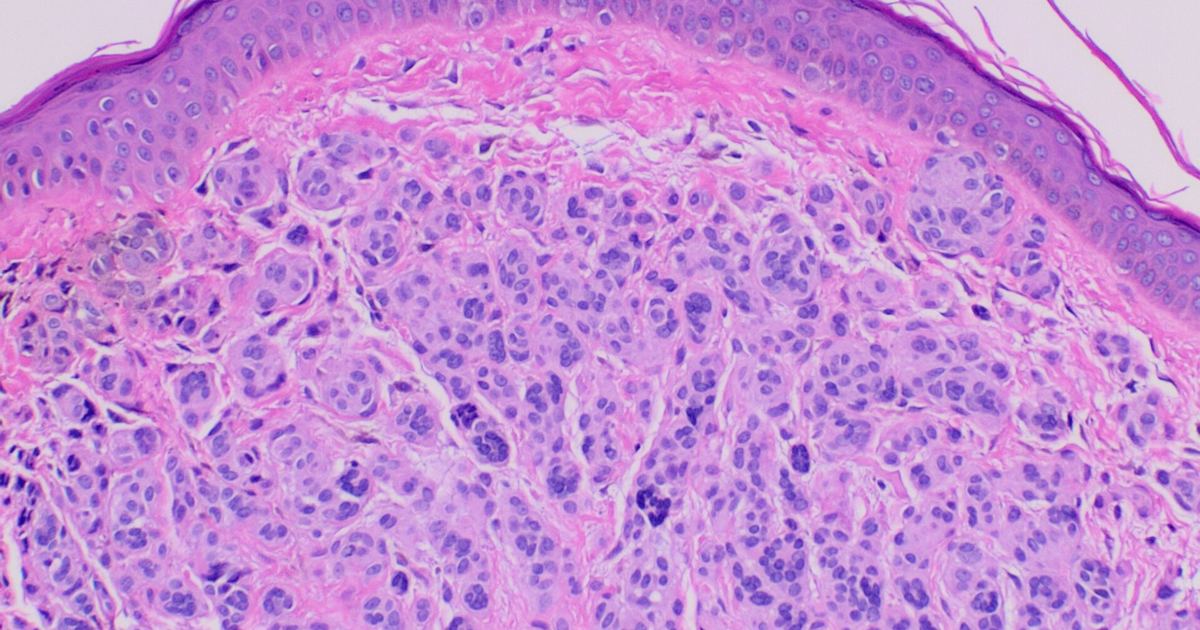
Scientific interest in the melanocortin system has expanded beyond cosmetic tanning into serious medical oncology. Researchers have examined how cellular signaling pathways might be harnessed to shield vulnerable skin cells from malignant transformation. A key scientific review published in 2014 in Archives of biochemistry and biophysics explored how targeting the melanocortin 1 receptor could open new avenues for melanoma chemoprevention. Rather than relying on unregulated cosmetic compounds, researchers evaluated specific cellular defenses triggered by physiological hormones. Here is a breakdown of the critical data and concepts highlighted by this foundational review.
Number 1: The Melanocortin 1 Receptor as a Defense Gateway
The melanocortin 1 receptor (MC1R) serves as a central molecular hub for human melanocyte regulation. Modern pigment research accelerated in the last decade of the twentieth century when scientists successfully cloned the MC1R gene from human melanocytes and confirmed that the encoded receptor was fully functional.
Through this receptor mechanism, melanocytes receive signals from physiological agonists such as α-melanocortin (also known as alpha-melanocyte stimulating hormone, or α-MSH). In normal physiology, activation of this receptor stimulates the production of eumelanin, the protective dark pigment that shields cells from solar ultraviolet radiation. For readers researching how these pathways operate in human skin, understanding MC1R and Skin Pigment: How Tanning Works in the Body provides essential biological context on why this specific receptor became a prime focus of cancer prevention research.
Number 2: Two Genetic Variants That Disable Receptor Function
The MC1R gene is highly polymorphic, meaning it naturally occurs in many distinct genetic variations across populations. Certain genetic variants are strongly correlated with fair skin, the red hair phenotype, and poor tanning ability under solar ultraviolet radiation.
When researchers investigated human melanocytes cultured from donors with distinct genotypes, they uncovered a crucial functional difference. Specifically, expressing 2 MC1R red hair color variants resulted in a complete loss of function of the receptor. Epidemiological studies have directly linked these red hair color variants to an increased risk of melanoma. Because the receptor is non-functional in cells carrying 2 of these specific alleles, the natural protective signaling cascades triggered by physiological α-melanocortin fail to initiate, leaving those melanocytes far more vulnerable to solar ultraviolet damage.
Multiple Defense Actions: Beyond Eumelanin Synthesis
A consequential insight documented in the Archives of biochemistry and biophysics review is that MC1R signaling controls far more than simple pigment synthesis. When functioning properly in response to solar ultraviolet radiation, the receptor initiates several vital defensive cascades inside human melanocytes:
- Stimulation of eumelanin synthesis to enhance photoprotection.
- Activation of cellular antioxidant defenses against oxidative stress.
- Upregulation of DNA repair mechanisms to resolve ultraviolet-induced damage.
- Activation of survival pathways that preserve melanocyte viability.
In melanocytes expressing the 2 loss-of-function red hair variants, these antioxidant, DNA repair, and survival effects were entirely absent. This discovery demonstrated that the role of MC1R in reducing ultraviolet-induced genotoxicity makes it a key target when studying how to prevent types of skin cancer such as melanoma.
Year 2014: Evaluating the Study Design and Laboratory Limits
To accurately interpret the 2014 paper on melanocortins and melanoma prevention, readers must examine its study design and structural boundaries. This work was a scientific review summarizing mechanistic breakthroughs from laboratory cell cultures, donor tissue evaluations, and epidemiological association studies.
It is vital not to overstate these laboratory conclusions. Cultured human melanocytes grown in donor laboratory dishes do not replicate the full, complex cellular architecture of living human skin. Furthermore, epidemiological correlations linking red hair variants to higher risk highlight genetic vulnerability, but they do not prove that artificial receptor stimulation will eliminate melanoma in clinical practice. The 2014 review represents an early translational stage connecting cellular biochemistry with prevention theory, not a completed clinical trial measuring cancer incidence across human populations.
Translational Chemoprevention vs. Unregulated Online Peptides
Based on the receptor's capacity to reduce ultraviolet genotoxicity, the review authors designed small peptide analogs of physiological α-melanocortin for the explicit purpose of melanoma chemoprevention. The goal of this medical research is to develop targeted pharmacological agents that rescue DNA repair and antioxidant pathways in vulnerable cells.
This controlled laboratory research stands in stark contrast to synthetic melanocortin analogs, such as melanotan peptides, sold through unregulated online storefronts. Illicit tanning injections lack clinical approval, bypass medical oversight, and carry substantial unknowns regarding long-term safety. Legitimate chemoprevention requires rigorous clinical evaluation. Anyone concerned about melanoma risk, sun sensitivity, or irregular lesions should always consult a board-certified dermatologist or medical doctor rather than self-administering unapproved substances.
Sources
Published October 28, 2026. Sources are linked in the text. See our Medical Disclaimer.