Melanotan II and Appetite: What a 2017 Animal Study Found and What It Does Not Prove
Synthetic melanocortin compounds are frequently discussed in online communities for their tanning properties or off-label biohacking claims. However, unlicensed Melanotan II distributed across the internet is unregulated, unapproved by health authorities, and poses serious health concerns. Scientific interest in these peptides extends into how melanocortin pathways influence central feeding behavior and metabolic rate. A notable investigation published in the Canadian journal of physiology and pharmacology evaluated how central administration of Melanotan II impacts food consumption, adiposity, and body weight over several weeks in rodents.
Study Design: How the 2017 Animal Trial Was Conducted
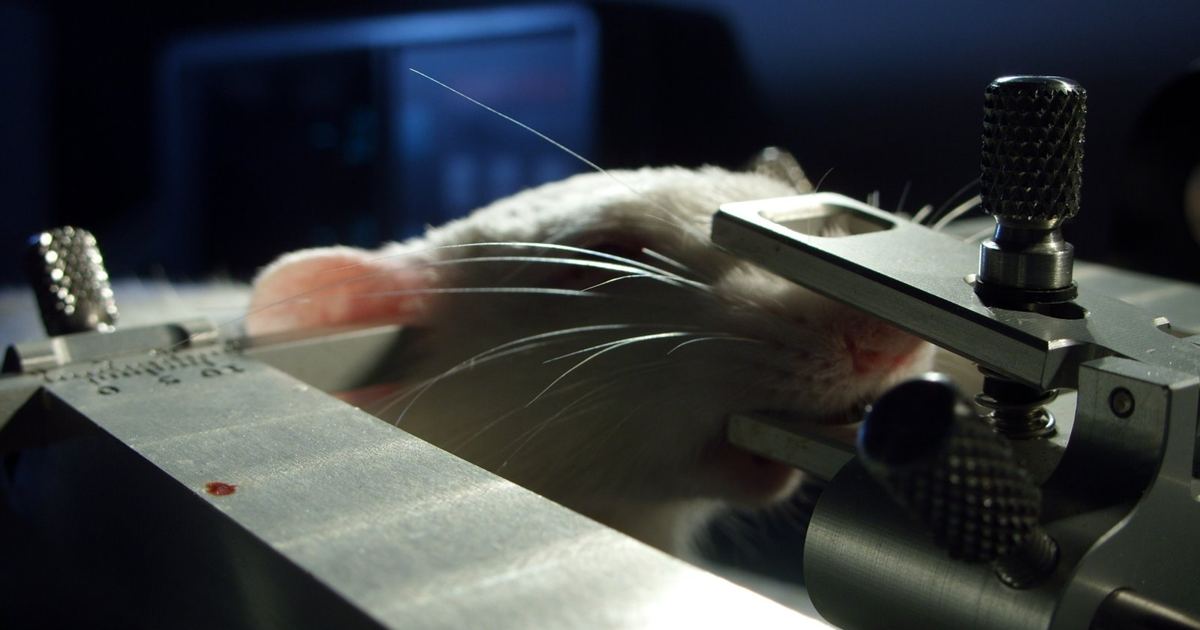
To examine the chronic actions of synthetic melanocortin activation, researchers designed a controlled laboratory experiment using six-month-old F344BN rats. The animals were separated into experimental cohorts containing six to seven rats per group. Rather than delivering the compound systemically or under the skin, the investigators delivered the interventions straight into the central nervous system.
The experimental setup involved continuous infusion over a period of 40 days into the lateral ventricle of the brain. The cohorts received one of three treatments:
- A high dose of Melanotan II (MTII)
- A low dose of Melanotan II (MTII)
- Artificial cerebrospinal fluid (aCSF), serving as the control
By delivering the compound directly to the brain ventricles, the trial aimed to observe how direct stimulation of central melanocortin pathways influences energy homeostasis without the confounding variables of peripheral absorption.
Appetite Suppression and the Rapid Return to Baseline Intake
The primary initial observation centered on eating behavior. According to the published findings in the Canadian journal of physiology and pharmacology (PMID 28051332), Melanotan II suppressed appetite in a dose-dependent manner (P < 0.05). Both the high-dose and low-dose groups exhibited an immediate reduction in food consumption during the earliest stage of central infusion.
However, this anorexic response did not remain stable. The decrease in feeding was temporary, and food intake promptly rose back to control levels despite ongoing infusion of the peptide. This adaptation reflects a well-known phenomenon in neurobiology where the central nervous system rapidly adapts to continuous receptor stimulation, causing initial appetite suppression to fade quickly.
Persistent Reductions in Body Mass and Adiposity
Despite the prompt normalization of food consumption, the physical changes observed in the rodents did not reverse. The researchers observed that body mass remained persistently reduced across both MTII groups compared to the vehicle controls (P < 0.01). Even when the rodents consumed normal amounts of food matching the control cohort, their body weight did not rebound.
At day 40, both groups receiving Melanotan II displayed significantly lower adiposity than the animals receiving artificial cerebrospinal fluid (P < 0.01). The study authors concluded that central Melanotan II administration chronically reduces body mass without the necessity of long-term caloric restriction. While early food restriction helps initiate mass loss, preserving a negative energy balance state over time appeared to sustain the weight reduction.
What These Laboratory Findings Do Not Prove
While this research offers interesting mechanistic insight into melanocortin receptors, energy balance, and metabolism, it is critical not to overstate the findings or apply them directly to human health:
- Species differences: The experiment was performed exclusively on six-month-old F344BN rats. Rodent metabolic responses and neurochemical signaling often differ dramatically from human biological systems.
- Artificial delivery route: The compound was infused surgically into the lateral ventricle of the brain. This method bears no resemblance to how unapproved peptides are used by individuals in real-world scenarios.
- Very small sample sizes: With only six to seven animals per group, the sample size is limited and intended only for preliminary preclinical observation.
- Lack of clinical safety verification: This animal study did not assess broad systemic organ toxicities, cardiovascular changes, or long-term clinical safety in humans.
Substances like Melanotan II obtained via online vendors are unregulated, variable in purity, and carry substantial medical hazards. Anyone dealing with metabolic, weight, or skin concerns should seek advice from a licensed physician or dermatologist rather than experimenting with illicit research chemicals. To review documented clinical complications, consult our guide on melanotan risks and side effects.
Sources
Published October 31, 2026. Sources are linked in the text. See our Medical Disclaimer.