Minor Tanning Bed Laws: An International Comparison
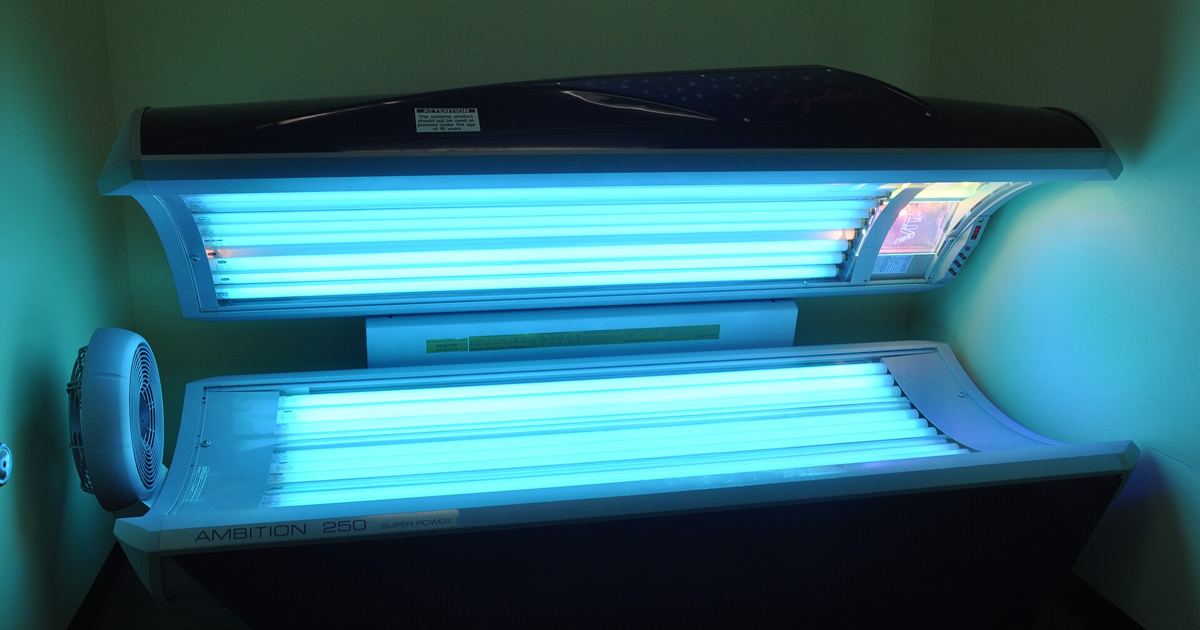
Commercial sunbeds have officially been classified as carcinogenic to humans. In response to this health concern, governments around the world have introduced various public health statutes to curb exposure among youths. Because young skin is particularly vulnerable to ultraviolet radiation, lawmakers have focused heavily on age-based access limits. However, the legal measures chosen by different jurisdictions vary dramatically, ranging from complete commercial prohibitions to flexible parental consent rules.
Background: Why Commercial Tanning Became a Youth Health Concern
For decades, public health institutions have monitored the rise of commercial tanning salons and their impact on skin wellness. Because tanning units emit concentrated ultraviolet radiation that is known to be carcinogenic to humans, jurisdictions began considering legislative curbs to limit pediatric exposure. Evidence regarding the hazards of artificial ultraviolet rays is detailed in our guide on tanning beds and UV risk.
As health advocates pressed for formal protection, statutory interventions began to diverge across borders. Some regions moved toward total market bans, while others chose partial limits or left decisions in the hands of parents. To clarify this global regulatory environment, researchers reviewed the statutory rules on the books across multiple continents.
Study Design: How the 2022 Legal Review Evaluated Policies
A benchmark investigation into these public health measures appeared as a 2022 study published in Children (Basel, Switzerland), titled Tanning Bed Legislation for Minors: A Comprehensive International Comparison. The authors performed a comprehensive web search of current tanning bed legislation for minors across three continents: North America, Australia, and Europe.
It is important to evaluate the design and limitations of this work. This was a single legal review that collected data through online legal searches rather than an empirical trial testing health outcomes or biological markers. The study mapped existing statutory rules, age thresholds, and formal exemptions using graphical maps. Because it was an analysis of statutory texts on the books, it did not measure how strictly tanning salons comply with these rules or how rigorously local agencies enforce them. Nevertheless, it provides a clear snapshot of how statutory frameworks differ internationally.
From Outright Bans to European Restrictions: Continental Variations
The 2022 paper documented clear differences in how nations manage commercial sunbeds:
- Australia: Australia stands out globally because a total ban on commercial tanning beds exists across the board, removing commercial access entirely rather than restricting it solely by age.
- New Zealand: Commercial tanning bed use is banned specifically for minors.
- Europe: Regulatory adoption remains divided. The review found that about half of the countries in Europe have implemented a strict ban for minors, while the remaining nations have not adopted uniform statutory prohibitions.
These continental disparities show that even among neighboring nations with shared scientific advisories, legislative responses to artificial tanning radiation remain fragmented.
The North American Patchwork and Parental Consent Exceptions
Across North America, researchers identified significant regulatory fragmentation. The authors observed distinct differences in the age limit for access restrictions between states, provinces, and territories among the regions that had implemented a ban for minors. Rather than a single standardized federal rule, youth access depends heavily on local regional boundaries.
The situation in the United States highlights this uneven approach. The study noted that some states in the United States have implemented rather soft bans. Under these softer statutory frameworks, minor access is permitted if adolescents obtain specific types of parental consent. These consent exceptions mean that a minor in one state may face a strict legal barrier, while a minor in an adjacent state can legally enter a commercial salon simply by presenting a signed parental form.
Harmonization Calls and Clinical Recommendations
According to the authors of the 2022 international comparison, this patchwork of legal standards demonstrates a clear need for statutory harmonization. The authors noted that their graphical comparison serves as an important starting point for international bodies such as the World Health Organization and the European Commission to advance their goals toward harmonizing tanning bed legislation both generally and for minors specifically.
Public health experts consistently urge individuals of all ages to avoid artificial tanning devices. Anyone noticing new, changing, or irregular skin lesions should schedule an evaluation with a board-certified dermatologist or qualified doctor to review their skin health and learn more about different types of skin cancer.
Sources
Tanning Bed Legislation for Minors: A Comprehensive International Comparison (Children / PubMed)
Published October 28, 2026. Sources are linked in the text. See our Medical Disclaimer.