OCA2 and the P Protein: Melanosome pH and Pigment Facts
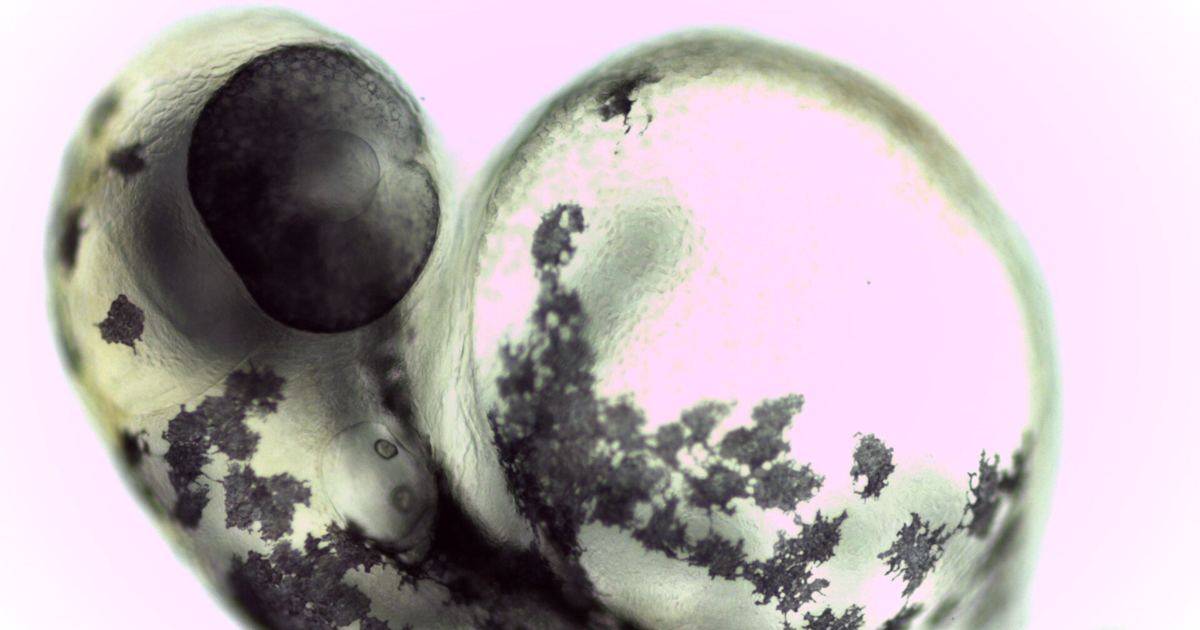
Biological pigmentation depends on delicate biochemical machinery within specialized pigment-producing cells. While consumer discussions around skin tone often focus exclusively on receptor signaling like MC1R and skin pigment pathways, the actual synthesis of melanin requires strict physical and chemical conditions inside intracellular compartments called melanosomes. At the center of this environment is the P protein, encoded by the OCA2 gene.
Myth: Pigment Production Happens Freely Throughout Melanocyte Cells
Evidence: Melanin is not synthesized randomly throughout a cell. Instead, human pigmentation relies on specialized cells known as melanocytes. According to MedlinePlus Genetics' entry on the OCA2 gene, melanocytes contain dedicated intracellular structures called melanosomes, which serve as the actual sites where melanin is produced. Melanin provides coloring to human skin, hair, and eyes, and is also present in the retina at the back of the eye where it plays an essential role in normal vision.
Myth: The P Protein Has a Fully Understood Enzymatic Action
Evidence: Although the P protein is critical for pigmentation, researchers do not yet have every answer regarding its direct mechanics. As detailed in the MedlinePlus Genetics OCA2 review, the exact function of the P protein remains unknown. However, evidence demonstrates that it is essential for normal pigmentation and is likely involved in the production of melanin. Scientific findings indicate that within melanocytes, the P protein may act as a transporter moving molecules into and out of melanosomes.
Myth: Internal Melanosome Acidity Has No Impact on Pigment Deposition
Evidence: Melanin synthesis cannot proceed efficiently without an optimal chemical balance. Researchers believe the P protein helps regulate the relative acidity, or pH, within melanosomes. Tight control of pH is necessary for most biological processes. If the internal environment of melanosomes loses this tight regulation, normal melanin production is impaired, demonstrating that acidity control is an indispensable step in pigment deposition.
Myth: OCA2 Variations Only Cause Minor Differences in Complexion
Evidence: Alterations in the OCA2 gene can dramatically reshape melanin deposition across the whole body:
- Oculocutaneous Albinism Type 2: More than 80 variants in the OCA2 gene have been identified in individuals with this condition. The most common variant is a large deletion found in many affected people of sub-Saharan African heritage, while changes in single base pairs and small deletions occur in other populations. People with this condition often have creamy white skin, light yellow, blond, or light brown hair, light-colored eyes, and vision problems due to disrupted melanin synthesis.
- Angelman Syndrome: The OCA2 gene is situated on a region of chromosome 15 that is frequently deleted in Angelman syndrome. Having only one copy of OCA2 leads to a reduced amount of P protein compared with cells containing two functional copies, causing unusually light-colored hair and fair skin. If the remaining copy carries a variant, little or no functional P protein is made, resulting in oculocutaneous albinism type 2 in a small percentage of individuals.
- Prader-Willi Syndrome: Similarly, loss of the chromosome 15 region harboring OCA2 in Prader-Willi syndrome leaves cells with less P protein, driving fair skin and light-colored hair. When a variant occurs on the remaining copy, albinism type 2 also develops in a small number of people.
Myth: Injectable Research Chemicals Can Safely Bypass Genetic Pigment Limits
Evidence: Online marketing for unapproved peptides like melanotan I and melanotan II frequently promises consumers an easy way to override their natural genetic limits. However, these black-market substances are completely unapproved and unregulated. Attempting to force cellular pigmentation through unverified products bypasses natural biological checks and carries documented clinical dangers, including risks discussed in case reports on melanotan, moles, and melanoma. If you have concerns about skin color changes, pigment loss, or skin spots, consult a qualified physician or board-certified dermatologist rather than using illicit compounds.
Sources
OCA2 gene: MedlinePlus Genetics
Oculocutaneous albinism: MedlinePlus Genetics
Published October 30, 2026. Sources are linked in the text. See our Medical Disclaimer.