Oculocutaneous Albinism and Melanin: Key Numbers Breakdown
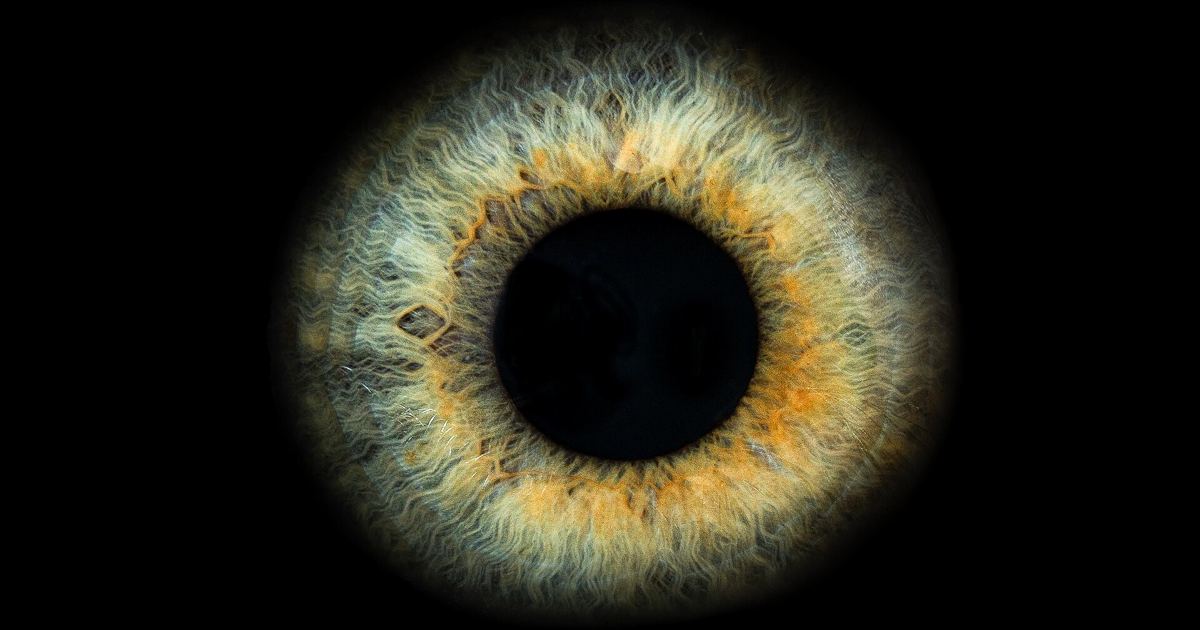
Melanin is the essential biological pigment responsible for giving color to human skin, hair, and eyes. Beyond cosmetic appearance, this pigment serves a structural and functional role inside the retina of the eye and offers natural defense against solar radiation. When inherited genetic variants disrupt melanin synthesis, the body cannot generate normal pigmentation. According to MedlinePlus Genetics, oculocutaneous albinism represents a specific group of genetic conditions defined by this disruption. Below is a structured look at the essential numbers, inheritance rates, and biological markers that characterize this condition.
1 in 4,000 to 7,000: Estimated Frequency in African Populations
The occurrence of oculocutaneous albinism varies substantially across different regions and ancestral backgrounds. In African populations, researchers estimate that oculocutaneous albinism affects approximately 1 in 4,000 to 7,000 individuals. While the condition occurs in all regions across the globe, certain isolated communities demonstrate a significantly higher prevalence than their neighboring areas due to localized genetic dynamics.
1 in 12,000 to 15,000: Estimated Frequency in European Populations
In European populations, the prevalence shifts to an estimated 1 in 12,000 to 15,000 individuals. Across all populations, oculocutaneous albinism is inherited in an autosomal recessive pattern. This biological mechanism requires both copies of a specific gene in each cell to carry a variant for the condition to manifest. Typically, the parents of an affected individual carry one copy of the mutated gene, meaning they show no physical signs or visual symptoms of the disorder themselves.
4 Primary Genes: Disrupted Pathways in Pigment Production
Melanin synthesis requires functional biological machinery. When specific genes undergo alterations, cells lose the capacity to manufacture adequate melanin. Scientists have linked the four most widely recognized forms of oculocutaneous albinism to four specific genes:
- TYR: Alterations in this gene cause oculocutaneous albinism type 1.
- OCA2: Variants within this gene are responsible for type 2.
- TYRP1: Mutations here produce type 3.
- SLC45A2: Changes in this gene cause type 4.
Researchers have also identified additional, rare forms classified as types 5, 6, 7, and 8, which correlate with other genetic markers such as DCT, LRMDA, and SLC24A5. In some individuals diagnosed with the condition, no alterations are detected in known genes, leaving the exact genetic origin unidentified.
4 Distinct Clinical Profiles: Variations Across Skin, Hair, and Eyes
The physical manifestation of oculocutaneous albinism depends directly on the causative gene. Type 1 presents with white hair, very pale skin, and light-colored irises. Type 2 is typically less severe than type 1, presenting with pale skin and hair that can range from light yellow to blond or light brown. Type 4 produces physical signs and visual symptoms comparable to type 2.
Type 3 displays a unique presentation, causing reddish-brown skin, ginger or red hair, and hazel or brown irises. People with type 3 frequently experience milder visual abnormalities compared to individuals with other forms of the disorder.
4 Characteristic Eye Abnormalities: Melanin Deficits in the Retina
Pigment is essential for the normal structural development and function of the retina—the light-sensitive tissue located at the back of the human eye. Because oculocutaneous albinism impairs melanin production in both the iris and the retina, affected individuals routinely face four distinct visual challenges:
- Reduced Sharpness: Impaired visual acuity directly linked to incomplete retinal pigment formation.
- Nystagmus: Involuntary, rapid, and repetitive movements of the eyes.
- Strabismus: A condition where the eyes do not point in the same direction.
- Photophobia: An increased, uncomfortable sensitivity to light.
2 Interacting Genes: How MC1R Modifies the Type 2 Appearance
The presentation of oculocutaneous albinism type 2 can be noticeably modified when variants occur in a second gene: MC1R. Understanding how the MC1R gene shapes pigment production helps explain these clinical differences. Normally, type 2 causes blond, yellow, or light brown hair. However, when an individual inherits genetic changes in both OCA2 and MC1R, they typically present with red hair alongside light-colored eyes and characteristic vision issues.
Because melanin provides natural defense against ultraviolet rays, individuals with reduced pigment face heightened dermatological risks. Long-term exposure to the sun greatly increases the likelihood of skin damage and skin malignancies, including melanoma, an aggressive skin cancer. Anyone managing significant sun sensitivity or pigmentary changes should consult a board-certified dermatologist or qualified healthcare provider for clinical skin evaluations, monitoring plans, and personalized sun-safety advice.
Sources
Published October 28, 2026. Sources are linked in the text. See our Medical Disclaimer.