Phytophotodermatitis: why lime juice plus sun can burn your skin
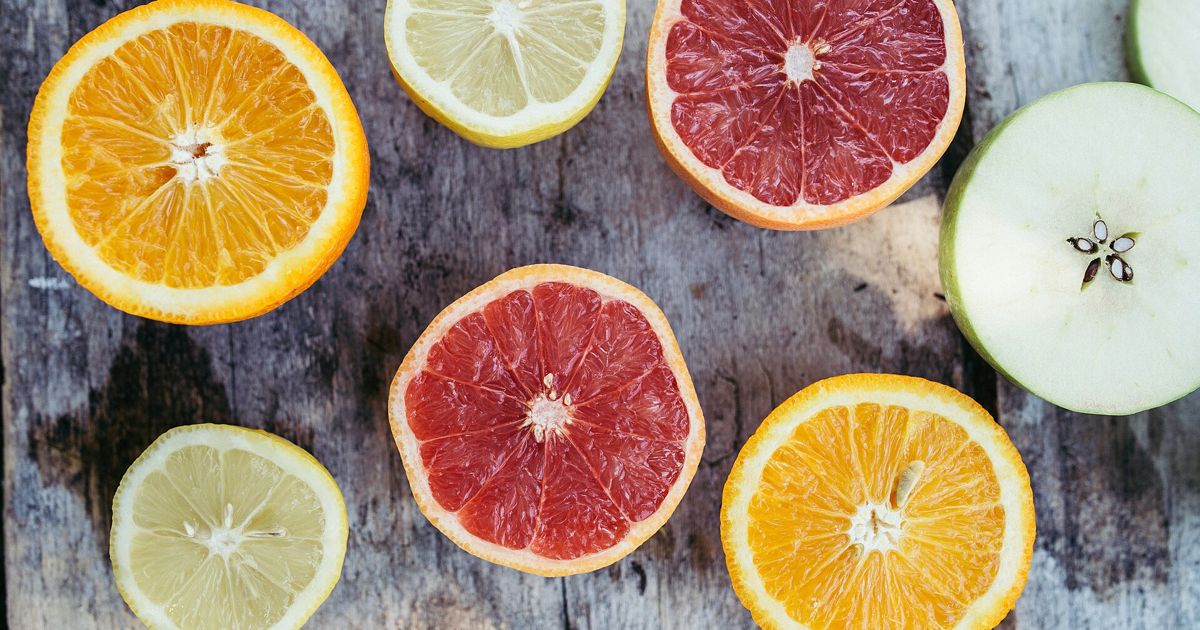
A day of squeezing limes outdoors can end with red streaks, blisters and, later, brown marks shaped like drips or handprints. That isn't a regular sunburn. It's phytophotodermatitis, a reaction between certain plant chemicals and sunlight.
- Phytophotodermatitis happens when plant furocoumarins on the skin meet ultraviolet A light.
- Psoralen is the most common phototoxic furocoumarin; citrus, celery, wild parsnip and figs are known triggers.
- It can look like a burn, fungal infection, cellulitis or allergic dermatitis, and can even be mistaken for abuse in children.
- Washing plant juice off before sun exposure and avoiding the trigger are the main prevention steps.
What causes it
A review in Ellis and Elston, Dermatitis 2021 (PMID 33273237) describes phytophotodermatitis as "a cutaneous reaction that occurs after exposure to plant-derived furocoumarins and ultraviolet A light," noting that psoralen "is the most common phototoxic furocoumarin and is present in varying levels within many different plant species."
Common triggers
A case report in Lime-induced phytophotodermatitis, J Community Hosp Intern Med Perspect 2014 (PMID 25317269) notes that "many common plants including citrus fruits, celery, and wild parsnip contain these photosensitizing compounds." A 2023 case in Fig-latex phytophotodermatitis case, Photodiagnosis Photodyn Ther 2023 (PMID 36693457) described severe reactions after fig tree latex was used as a folk wart remedy, with treatment centered on avoiding the tree and the sun. Some severe cases needed burn-unit care. A 2025 review in Beniwal et al., Ann Med Surg 2025 (PMID 40787477) discusses Parthenium plants in India, with signs ranging from redness and blisters to pigment changes.
Why it gets misdiagnosed
The 2014 case authors warn it "may often be misdiagnosed as other skin conditions including fungal infection, cellulitis, allergic contact dermatitis, and even child abuse." Odd shapes, like streaks or fingerprints, and a history of plant contact plus sun are strong clues.
Prevention
- Wash hands and skin with soap and water after handling limes or other citrus, especially before going outside.
- Wear gloves and long sleeves when cutting wild parsnip, celery or figs.
- Use broad-spectrum protection. See sunscreen and broad-spectrum SPF.
- Get blistering or widespread reactions checked. See how to treat sunburn for ordinary burns.
Educational information only, not medical advice. See a board-certified dermatologist for diagnosis and treatment. See our medical disclaimer.
Published October 30, 2026. Sources are linked in the text. See our Medical Disclaimer.