POMC Brain Networks and Energy Balance: Myth vs. Evidence
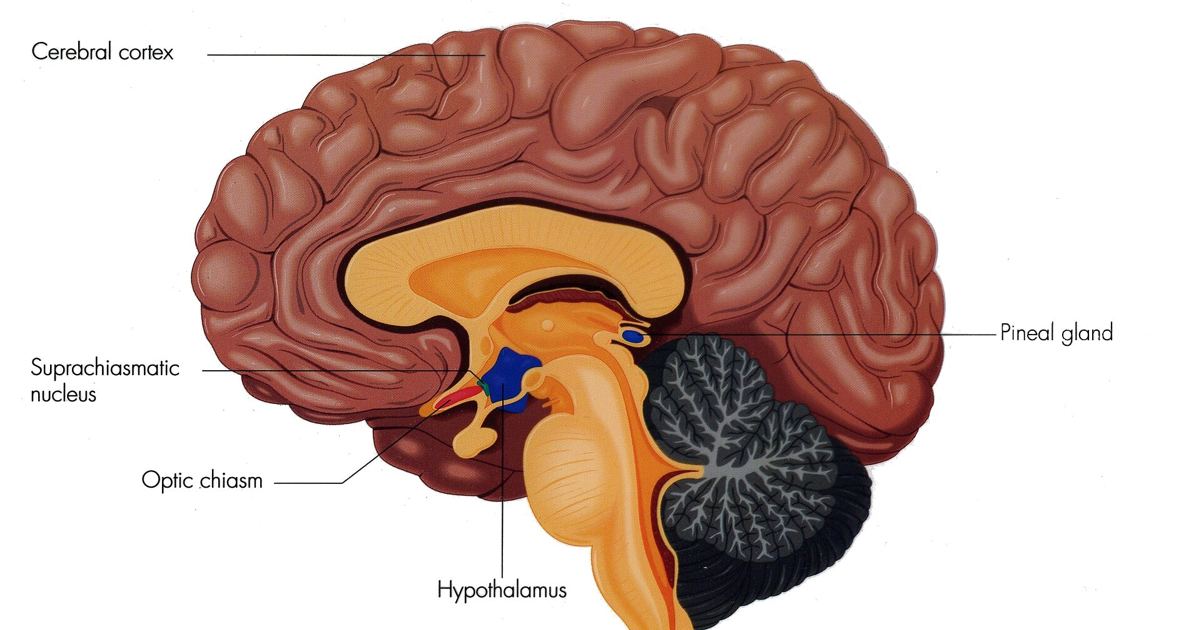
Within the central nervous system, complex neural networks constantly balance caloric needs, satiety, and physical fuel reserves. Pro-opiomelanocortin (POMC) neurons form a cornerstone of this internal communication system. While researchers studying melanocortin pathways frequently examine how these signaling molecules interact throughout the body, widespread confusion persists about how brain-based POMC circuits actually operate. Looking at the cellular evidence helps separate biological facts from common metabolic assumptions.
Myth 1: Satiety and Energy Expenditure Operate Without Central Brain Circuits
A common misconception is that appetite control and energy regulation are managed purely by the digestive tract or spontaneous willpower, without specialized central direction. The biological evidence shows otherwise. Certain central neuronal populations in the brain serve as critical nodes in maintaining energy homeostasis. Specifically, the hypothalamic arcuate nucleus (ARC) region houses essential circuitry dedicated to controlling systemic energy balance.
When these interoceptive neural circuits undergo alteration, excessive body weight can result. According to scientific analysis, obesity represents a major global health crisis affecting over a third of the global population. Understanding how central nodes in the ARC process information is fundamental to understanding metabolic conditions and their broader bodily connections, as detailed in discussions of melanocortin receptors: energy balance vs. skin signaling.
Myth 2: POMC Neurons Act in a Vacuum Without Counter-Balancing Pathways
Another frequent assumption is that stimulating POMC expression provides an unchecked, one-directional signal in the brain. However, a 2022 scientific review published in the European Journal of Pharmacology clarifies that the arcuate nucleus operates through two antagonistic peptide microcircuits that counterbalance each other continuously:
- Agouti-related peptide/neuropeptide-Y (AgRP/NPY): This specific microcircuit signals hunger and actively stimulates food intake.
- Pro-opiomelanocortin (POMC): This opposing microcircuit signals satiety and works to reduce food intake.
Because these two systems work in direct opposition, metabolic equilibrium depends on the precise, dynamic interplay between AgRP/NPY hunger stimulation and POMC satiety signaling. Neither pathway functions as an isolated switch.
Myth 3: Central Brain Peptides Ignore Peripheral Metabolic Hormones
Some believe that brain microcircuits dictate energy balance without taking cues from circulating hormones elsewhere in the body. In reality, central ARC neurons do not function in isolation. The levels of these neuronal peptides actively react to the body's overall energy status by receiving and processing input from key circulating factors.
The European Journal of Pharmacology review highlights that AgRP/NPY and POMC neurons integrate peripheral signals specifically from:
- Ghrelin
- Leptin
- Insulin
By integrating ghrelin, leptin, and insulin signaling, these hypothalamic microcircuits continuously coordinate feeding behavior with systemic energy expenditure. This coordinated biological communication illustrates the functional breadth of POMC-derived peptides, which are further explored in our review of POMC cleavage: how one protein guides pigment and metabolism.
Myth 4: A Single Review Paper Offers a Clear Roadmap for Consumer Therapies
When readers encounter academic reviews discussing targeted genes, key proteins, compounds, drugs, and therapies that act on POMC neurons, they often assume clinical treatments are readily available for everyday use. This is an overstatement of the science. The 2022 paper is a narrative review designed to elucidate recent scientific developments regarding AgRP-, NPY-, and POMC-producing neurons and their metabolic control mechanisms.
The authors explicitly note that a specific therapeutic strategy focusing on ARC circuits still needs to be devised to assist in treating obesity and sustaining weight loss with minimal or no side effects. Reviewing potential drug targets in a laboratory paper is fundamentally different from establishing proven, side-effect-free human therapies. The study synthesizes mechanistic research rather than providing direct clinical protocols.
Evaluating Limits and Patient Safety Realities
Appraising this scientific paper requires recognizing its design and boundaries. As a review article, it synthesizes existing laboratory findings regarding cellular and molecular mechanisms in the arcuate nucleus. It does not introduce original clinical trial data, nor does it test interventions in human patient cohorts.
These boundaries are critical for consumers to keep in mind. Unregulated peptide substances sold online—such as unapproved melanotan products—often claim to tap into melanocortin or POMC-related pathways for cosmetic or metabolic changes. These substances bypass clinical oversight, carry unknown risks, and lack regulatory approval. Anyone experiencing concerns regarding metabolic health, weight management, or endocrine function should seek direct guidance from a qualified physician rather than turning to unverified research chemicals.
Sources
Published October 31, 2026. Sources are linked in the text. See our Medical Disclaimer.