Comparing Prescription Drug Culprits in Systemic Photosensitivity
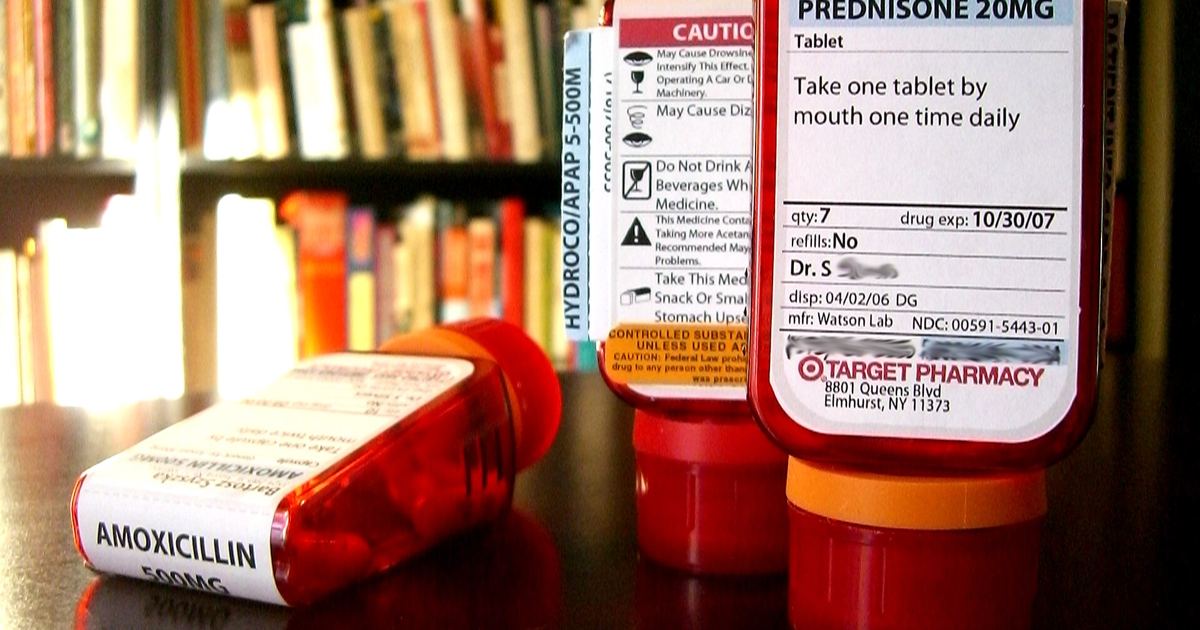
Unintended skin reactions to sunlight represent a significant yet frequently overlooked adverse effect of routine pharmaceutical care. When systemic medications interact with ultraviolet light, patients can experience exaggerated sunburns, rashes, or prolonged skin inflammation. Because older adults frequently manage multiple chronic conditions with long-term prescription therapies, understanding which drug classes most frequently provoke these phototoxic and photoallergic responses is essential for personal sun safety.
Study Profile: Specialist Photoinvestigation Design and Limits
To identify the primary medications responsible for drug-induced light intolerance, researchers conducted a retrospective review at a specialized photoinvestigation center. The findings, detailed in the 2020 publication Systemic drug photosensitivity-Culprits, impact and investigation in 122 patients in Photodermatology, photoimmunology & photomedicine, analyzed individuals diagnosed with drug-induced photosensitivity. Across the evaluated clinical cohort presenting with light-induced symptoms, the prevalence of confirmed drug-induced photosensitivity was 5.4% (identified in 122 patients).
The demographic profile of this cohort centered heavily on older adults, with a median age of 62 years. Female patients comprised 52.5% of the diagnosed group. When classifying participants by Fitzpatrick skin phototype, the distribution showed that lighter complexions were the most commonly affected: phototype I accounted for 17.2%, phototype II represented 39.3%, phototype III made up 26.2%, phototype IV comprised 6.5%, and phototype V represented 4.1%.
It is important to evaluate these findings within the framework of a single specialized center. Because this was a retrospective analysis conducted at a tertiary referral unit for complex light disorders, the observed rates reflect patients referred specifically for advanced diagnostic evaluation. Consequently, these proportions describe specialized clinical patterns rather than general population incidence rates, and the conclusions should not be overstated.
Classifying the Culprits: Established Offenders vs. Emerging Agents
A primary value of the investigation lies in comparing traditional, long-recognized photosensitizers against emerging pharmacological culprits. For decades, antimalarial derivatives and water pills have anchored clinical warnings regarding sun intolerance. The data confirmed that these classical agents remain prevalent:
- Quinine: Implicated as the single most frequent culprit, accounting for 11.5% of the diagnosed cases.
- Diuretics: Responsible for 10.7% of cases overall, with thiazide diuretics specifically driving 9.8% of the total.
- Antifungals: Implicated in 9.8% of cases, matching the frequency of thiazide diuretics.
- Proton-Pump Inhibitors (PPIs): Emerging as a major offender, also implicated in 9.8% of cases.
- Targeted Biologics: Newer therapeutic agents, including tumor necrosis factor-alpha (TNF-α) inhibitors and denosumab, emerged as culprits in 2.5% of cases.
- Immunosuppressants: Azathioprine was identified as an emerging trigger in 2.5% of cases.
The prominent presence of proton-pump inhibitors and biologics highlights a shifting clinical landscape, where newer gastrointestinal and targeted therapies join traditional diuretics as meaningful contributors to sun sensitivity.
Cardiovascular, Neurologic, and Antimicrobial Comparison
Beyond antimalarials and acid reducers, common maintenance medications for chronic metabolic, cardiovascular, and psychological health showed measurable involvement. In this 122-patient clinical cohort, the distribution across remaining systemic drug categories included:
- ACE Inhibitors: Angiotensin-converting enzyme inhibitors accounted for 7.4% of cases.
- Anti-inflammatory Drugs: Implicated in 6.6% of diagnosed photosensitivity episodes.
- Statins: Cholesterol-lowering statin therapy accounted for 5.7% of reactions.
- SSRIs: Selective serotonin reuptake inhibitors were responsible for 4.9% of cases.
- Calcium Channel Antagonists: Implicated in 3.3% of presentations.
- Anti-epileptics: Accounted for 3.3% of reactions.
- Tricyclic Antidepressants: Implicated in 3.3% of cases.
- Beta-Blockers: Linked to 2.5% of reactions.
- Systemic Antibiotics: Responsible for 2.5% of cases.
- Other Medications: Various other individual drug agents were implicated in 1.6% or fewer cases each.
For individuals taking these routine therapies, understanding that multiple distinct drug families carry photosensitizing potential is crucial. Further context on how pharmaceuticals interact with solar radiation can be explored in our guide to medicines that can make you burn faster, as well as our review of drug-induced photosensitivity culprit medications.
Wavelength Vulnerability: UVA Versus UVB Patterns
The specialized evaluation included controlled phototesting across distinct optical wavelengths to determine precisely how patient skin reacted to radiation. Testing utilized monochromator equipment assessing narrow bands from 300 nm through 600 nm, alongside solar-simulated radiation and broadband ultraviolet testing.
Overall, 45.1% of patients demonstrated objectively reduced erythemal thresholds during monochromator phototesting. Among those with reduced thresholds, the vast majority responded abnormally to long-wave ultraviolet light: 83.6% reacted to UVA alone, 14.5% reacted to both UVA and UVB, and 1.8% displayed abnormal reactivity across both UVA and visible light spectrums. In addition, broadband ultraviolet radiation testing revealed abnormal responses in 61.4% (n = 75) of tested individuals.
Because UVA penetrates standard window glass and remains present consistently throughout daylight hours, individuals taking photosensitizing drugs cannot rely solely on avoiding midday UVB burn periods.
Impact on Quality of Life and Clinical Management
The medical impact of drug-induced light sensitivity extends beyond physical discomfort. In the evaluated study, patient quality of life was formally assessed using the Dermatology Life Quality Index (DLQI), yielding a median score of 11. In clinical dermatology, a score of 11 indicates a very large effect on a patient's daily life, reflecting substantial restrictions on outdoor activity, clothing choices, and personal comfort.
Fortunately, drug-induced photosensitivity represents a potentially reversible diagnosis. When clinical photoinvestigation successfully identifies the causative agent, physicians can evaluate drug cessation, recommend alternative medications, or establish targeted photoprotection strategies. Patients suspecting a reaction should never discontinue essential prescriptions independently, but rather consult their prescribing physician or dermatologist. Furthermore, individuals experiencing heightened sun sensitivity must avoid unapproved, unregulated online chemicals such as melanotan peptides, which lack standardized safety oversight and cannot substitute for professional medical care.
Sources
Published October 31, 2026. Sources are linked in the text. See our Medical Disclaimer.