Scalp, Lips, and Hands: How Chronic Sun Causes Invasive SCC
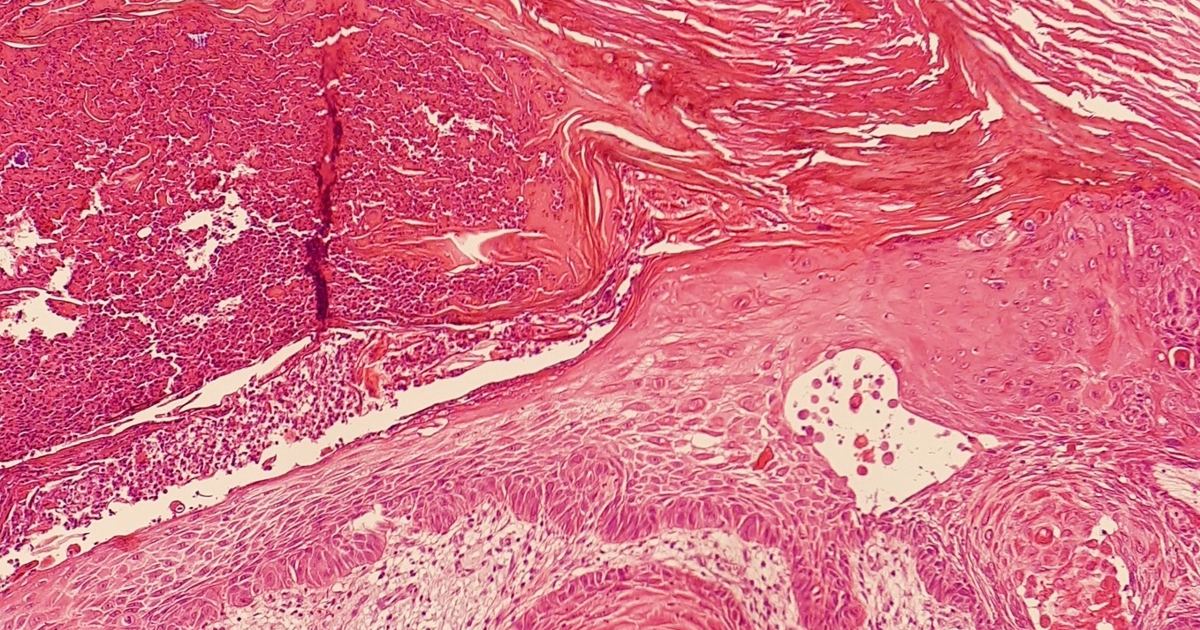
Squamous cell carcinoma represents a substantial health risk for individuals experiencing chronic ultraviolet exposure. When delicate, frequently exposed zones like the scalp, lips, and hands absorb years of sunlight, standard cellular repair mechanisms can falter. Understanding how surface cell alterations transform into an invasive malignancy is a vital step in maintaining long-term skin health.
What Makes Areas Like the Scalp, Lips, and Hands Vulnerable to SCC?
Squamous cells are flat cells situated near the surface of the skin, forming one of the primary cell types in the epidermis. In healthy skin, these cells shed continuously as newer cells take their place underneath. However, specific areas of the body—especially the hands, bare scalp, and lips—rarely receive complete shade and often lack consistent sun defense.
When ultraviolet radiation repeatedly strikes these exposed areas, the resulting DNA damage can trigger abnormal, accelerated cellular changes. The medical term for this condition is cutaneous squamous cell carcinoma (cSCC). Adding "cutaneous" specifies that the cancer originates in the skin rather than inside bodily structures such as the throat, mouth, or lungs. To understand how this cancer compares to other forms of sun damage, review our guide on Types of Skin Cancer: Basal Cell, Squamous Cell and Melanoma Explained.
How Does Ultraviolet Radiation Cause Squamous Cells to Turn Invasive?
According to the Squamous Cell Carcinoma overview published by The Skin Cancer Foundation, most cases of SCC are completely curable when detected and addressed early. In their initial stages, abnormal cells are restricted to the top layer of the skin.
The danger arises when lesions are neglected. Left untreated, squamous cell carcinoma can become invasive by penetrating beyond the surface and invading deeper dermal layers. This invasive spread can lead to extensive tissue damage, disfigurement, and even life-threatening complications if malignant cells reach distant areas of the body. Surface lesions that develop prior to full malignancy often require clinical evaluation, as detailed in our guide to Actinic Keratosis: The Rough, Scaly Sun Spot You Shouldn't Ignore.
What Are the Warning Signs of Cutaneous Squamous Cell Carcinoma?
Squamous cell carcinomas typically present on skin surfaces that receive routine daylight, though they can also form in unexposed locations like the genitals. Because these lesions appear differently from person to person, doctors advise checking any spot that seems unusual, evolving, or slow to heal.
Common clinical warning signs include:
- Persistent, scaly red patches showing irregular borders that may periodically bleed or crust over
- Open sores that persist for weeks while crusting or bleeding
- Elevated growths with a depressed center that occasionally bleed and can enlarge quickly
- Thickened, rough, or wart-like growths that crust or bleed
- New skin lesions that itch, crust, or feel irritated
What Is Bowen's Disease and How Does It Relate to Invasive Cancer?
Before cutaneous squamous cell carcinoma penetrates deeper tissues, it often exists in a very early stage known as Bowen's disease. As explained in the Squamous Cell Carcinoma educational resources by The Skin Cancer Foundation, Bowen's disease is classified as an in situ carcinoma, meaning abnormal cells remain strictly localized within the outermost layer of the skin.
Detecting disease at the in situ stage is critical. Because Bowen's disease has not yet burrowed past the epidermis into deeper tissue beds, removing it at this phase prevents the growth from achieving full invasive potential.
Why Has Squamous Cell Carcinoma Incidence Risen So Rapidly?
Squamous cell carcinoma is the second most common type of skin cancer, outnumbered only by basal cell carcinoma. However, public health data shows that the occurrence of SCC has climbed steadily in the United States. An estimated 1.8 million cases are diagnosed each year, and overall incidence has risen up to 200 percent over the past three decades.
This persistent rise highlights why relying on artificial tanning or attempting to alter skin coloration with unapproved peptides carries serious hazards. Individuals concerned about rough, bleeding, or non-healing spots on chronically sun-exposed areas should immediately seek an evaluation from a board-certified dermatologist.
Sources
Published October 30, 2026. Sources are linked in the text. See our Medical Disclaimer.