Severe Multisite Skin Cancer and Salon Tanning: Clinical Lessons
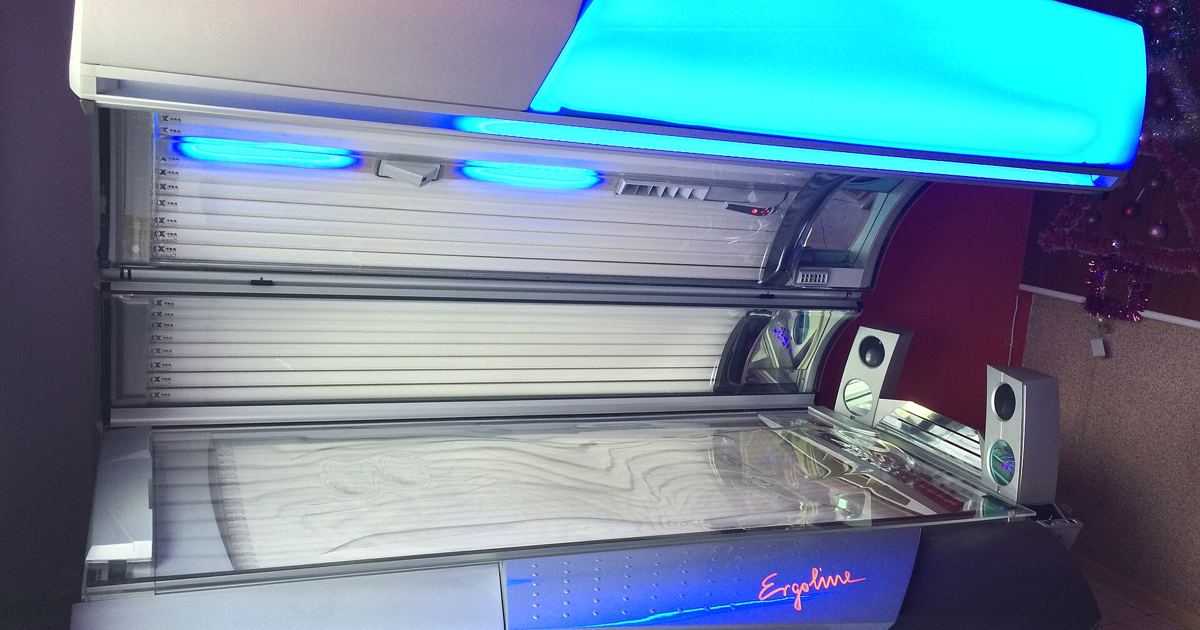
Discussions regarding artificial ultraviolet radiation often center on general risk statistics, but individual clinical presentations can show how extensive disease can become after decades of exposure. A clinical case published in 2024 highlights the physical burden of cumulative artificial tanning, documenting a patient who developed multiple distinct forms of skin malignancies across numerous areas of the body.
The Clinical Case: A 65-Year-Old Patient's Profile
The report, titled The Severe Skin Cancer Consequences of Extended Tanning Bed Use, A Case Report in WMJ : official publication of the State Medical Society of Wisconsin, documents the evaluation of a 65-year-old female who presented to a Mohs surgery clinic. Her medical evaluation revealed an extensive dermatologic history following more than 40 years of weekly tanning bed use.
Her presentation included an array of concurrent cutaneous malignancies:
- A left temporal T2a melanoma.
- Multiple untreated advanced keratinocyte carcinomas.
- Innumerable smaller untreated keratinocyte carcinomas located across her legs, arms, and back.
Multisite Carcinomas Compared to Isolated Lesions
In standard dermatologic practice, patients frequently present with a single suspicious growth or an isolated primary tumor. This case provides an extreme contrast: rather than managing a single lesion, clinicians encountered widespread, simultaneous tumors spanning both melanoma and non-melanoma categories across various anatomical sites.
Understanding the difference between tumor types is critical when assessing cutaneous health. Keratinocyte carcinomas and melanoma originate in different cellular structures within the skin, as explained in our overview of types of skin cancer. In this patient, extensive salon tanning preceded the development of not just advanced localized disease on the head, but also innumerable lesions widely distributed over the torso and extremities.
Long-Term Exposure vs. Early Age at First Tanning
Medical literature demonstrates that tanning bed use correlates directly with an elevated risk of developing both melanoma and non-melanoma skin cancers, with risk climbing alongside greater duration and frequency of use. You can read more about these documented dangers in our review of tanning beds and UV risk.
The authors of the case report note that published evidence also highlights a distinct vulnerability related to age: first exposure to tanning devices under age 35 increases the risk for melanoma and non-melanoma skin cancers. In this particular clinical case, the patient combined long-term cumulative exposure—spanning more than 40 years of weekly salon sessions—with ongoing exposure over time, leading to severe multisite disease.
Policy, Prevention, and Public Education
Despite the established risks linking artificial UV devices to skin cancers, regulatory protections remain inconsistent. The report notes that complete bans for minors accessing indoor tanning devices are active in less than half of the states in the United States. In response, multiple public health programs remain focused on prevention, education, and legislative change surrounding indoor tanning devices.
The study authors suggest that documenting and presenting severe clinical cases provides an educational tool for the public, illustrating the potential real-world disease burden that can follow regular indoor tanning.
Study Design and Methodological Limits
When interpreting this report, readers must consider its scientific design and inherent limitations:
- Single-Patient Design: As a case report, the publication describes the clinical findings of exactly one individual. It cannot calculate population-wide incidence rates.
- Confounding Variables: A case report cannot isolate every contributing factor, such as personal genetic susceptibility or unmeasured natural sun exposure over four decades.
- No Comparative Control: Case studies lack a control group, meaning they serve to document clinical patterns rather than establish statistical correlations on their own.
While the findings documented in the PubMed record for this case report should not be overstated beyond its single-patient framework, it serves as a concrete reminder of the severe health consequences associated with extended tanning bed use. Anyone noticing unusual or changing skin spots should promptly consult a doctor or board-certified dermatologist for a clinical evaluation.
Sources
The Severe Skin Cancer Consequences of Extended Tanning Bed Use, A Case Report - PubMed
Published October 30, 2026. Sources are linked in the text. See our Medical Disclaimer.