Skin Erosion and Sun Damage: Lessons from Clinical Dermatology
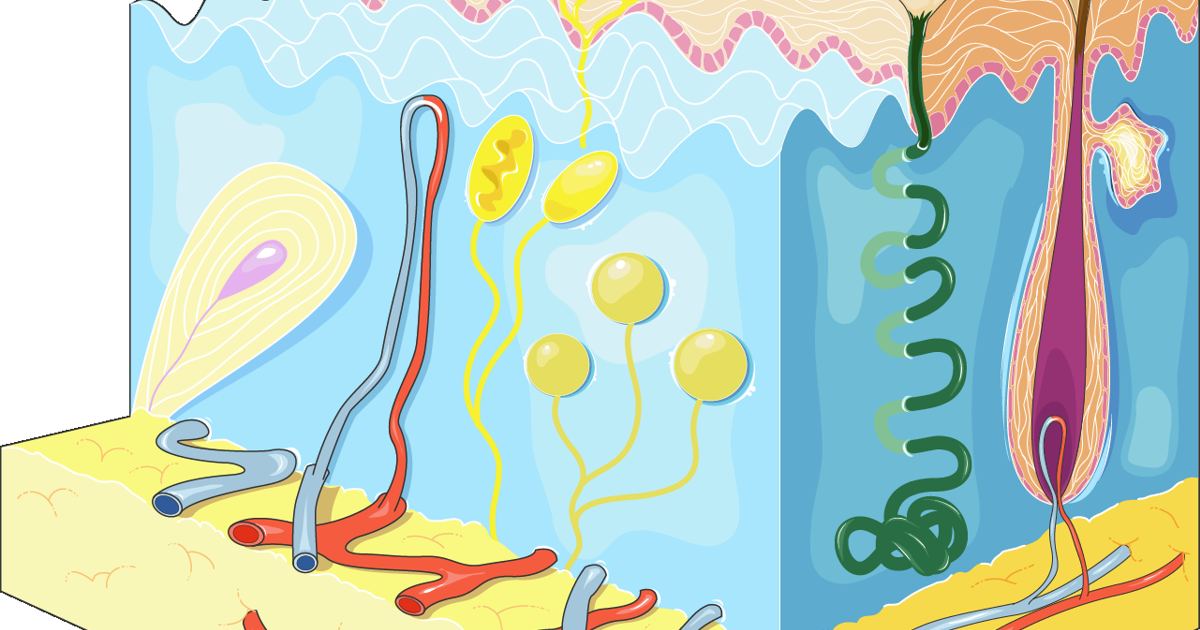
When investigating cutaneous health and sun sensitivity, understanding how outer tissue defenses fail is essential. In medical practice, case reports and diagnostic textbooks frequently document how minor physical trauma or underlying inflammatory responses leave the body vulnerable to external irritants. Evaluating these patterns provides meaningful lessons for anyone considering tanning practices or dealing with irritated skin.
Defining Cutaneous Erosion in Clinical Practice
According to the MedlinePlus Medical Encyclopedia entry on erosion, an erosion represents a breakdown of the outer layers of the skin. Unlike deeper ulcerations that penetrate fully into subcutaneous tissue, erosions focus specifically on the loss or disruption of the superficial epidermal surface. Medical guidance reviewed by Linda J. Vorvick, MD, Clinical Professor at the UW Medicine School of Medicine, notes that such damage typically arises from three primary triggers: a cut, a scrape, or inflammation. When the surface architecture is compromised, the skin loses its ability to shield underlying cells.
Mechanical Trauma: Lessons from Cuts and Scrapes
Mechanical forces are among the most common causes of superficial barrier compromise. A physical cut or scrape strips away protective cellular layers. In clinical case reviews, patients with mechanical abrasions often experience heightened vulnerability when exposed to environmental stressors such as sunlight. Because the outer layers of the skin are disrupted, invisible radiation and environmental elements can reach deeper tissues much more easily. Understanding that a simple mechanical scrape leaves the skin barrier functionally incomplete emphasizes why injured skin must never be subjected to intentional sun exposure or artificial ultraviolet sources. Those managing damaged tissue should review dermatologist-backed steps for treating sunburn and damaged skin barriers.
Inflammatory Breakdown and Chemical Irritation
Inflammation represents another major clinical driver of skin erosion. When cutaneous tissue becomes inflamed—whether through contact with topical irritants, dermatitis, or harsh chemical agents—the integrity of the outer layers deteriorates. This inflammatory breakdown weakens cellular cohesion. As documented in clinical dermatology, inflamed skin cannot maintain normal hydration or protect deeper layers from external insults. When individuals expose already inflamed, eroding tissue to sunlight, the resulting irritation is often far more severe than typical sun exposure. Ultraviolet rays can easily penetrate compromised zones, killing cells and damaging cellular components.
Diagnostic Insights from Andrews' Diseases of the Skin
The diagnostic framework for identifying cutaneous signs is detailed in authoritative medical literature. In the textbook Andrews' Diseases of the Skin: Clinical Dermatology (13th ed., chapter 2), authors James, Elston, Treat, Rosenbach, and Neuhaus outline how clinicians distinguish erosion from other dermatological signs. A detailed understanding of cutaneous signs allows healthcare providers to assess whether surface loss is driven by mechanical abrasion, underlying disease, or secondary inflammation. As highlighted in the MedlinePlus clinical guidance on cutaneous erosion, recognizing the specific origin of an erosion is necessary to guide appropriate care and prevent further tissue degradation.
Unregulated Peptides and Barrier Vulnerability
In the context of tanning research, some individuals explore unapproved products such as melanotan peptides. It is critical to recognize that melanotan I and melanotan II products sold online are completely unapproved and unregulated. When consumers use unverified substances or inject unapproved chemicals, they introduce serious health hazards without clinical oversight. Unregulated compounds can trigger unforeseen adverse reactions, local site irritation, or systemic complications. Readers researching these substances should carefully examine the documented melanotan risks and side effects. Individuals experiencing cutaneous erosion, persistent inflammation, or unusual skin changes should immediately consult a doctor or board-certified dermatologist rather than relying on unauthorized internet products.
Key Case-Report Takeaways for Cutaneous Protection
Clinical evaluations of barrier breakdown and tissue erosion highlight several vital safety principles:
- Erosion specifically describes the breakdown of the outer layers of the skin, impairing the body's natural defense against external stressors.
- Mechanical injuries, such as cuts and scrapes, physically strip away protective layers and leave deeper tissue vulnerable to severe irritation.
- Inflammation breaks down superficial cellular barriers, accelerating irritation and cell damage when exposed to sunlight.
- Ultraviolet rays damage skin cells and cause harm during any season and at any temperature, making barrier defense essential year-round.
- Unregulated tanning peptides like melanotan remain unapproved, carrying serious risks that warrant professional medical advice from a doctor.
Sources
Medical facts and definitions in this article are sourced directly from:
Published October 28, 2026. Sources are linked in the text. See our Medical Disclaimer.