Sun spots and "age spots" (solar lentigo)
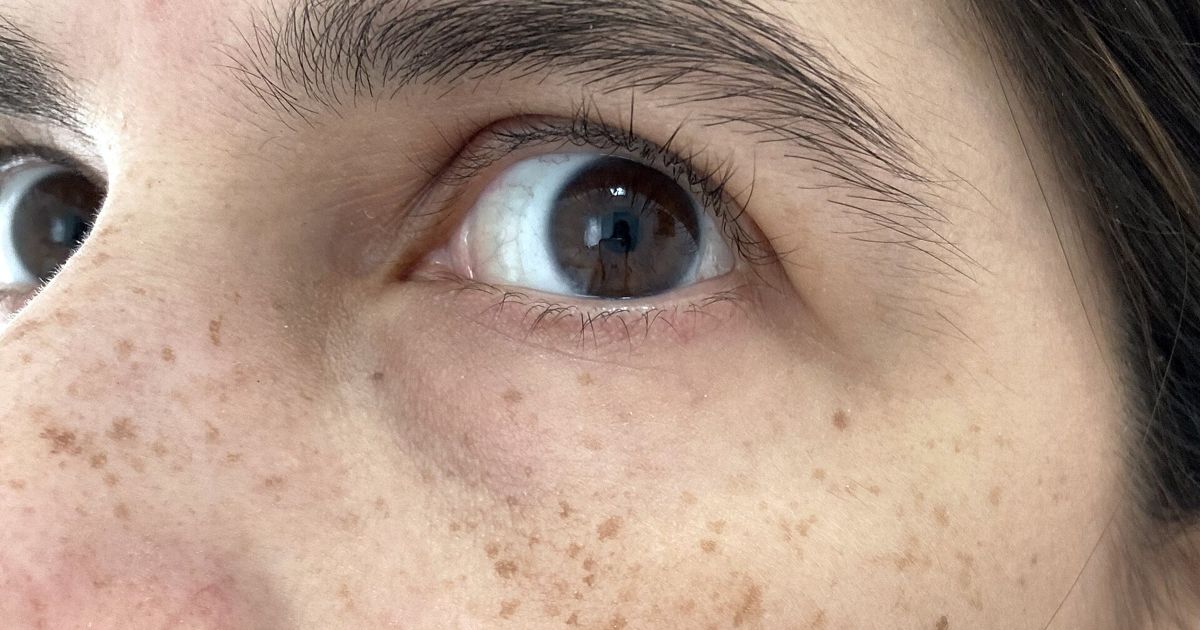
Flat brown spots on the backs of the hands, forearms, face or shoulders are often called sun spots, age spots or liver spots. Dermatologists call them solar lentigines. They're harmless on their own, but they're a visible record of UV exposure and a reason to keep up with skin checks.
- Solar lentigines are benign flat pigmented spots caused by chronic UV exposure from the sun or tanning beds.
- Unlike freckles, they don't fade in winter; they're common in fair-skinned adults over 60.
- They're a marker of UV damage and an independent risk factor for melanoma, so new or changing spots should be checked.
What they are
According to DermNet: Solar lentigo, a solar lentigo is "a common, benign, flat, pigmented lesion found predominantly on sun-exposed skin." It develops from chronic exposure to ultraviolet radiation from the sun or artificial sources such as phototherapy and sunbeds. UV is thought to boost melanin production and retention in skin cells, while the number of pigment cells stays normal or only slightly increased.
Who gets them
- Mostly middle-aged and older adults, reflecting cumulative sun damage. They're uncommon in children under 12.
- People with lighter skin (Fitzpatrick types I and II); DermNet says they may be found in up to 90% of white adults over 60. See Fitzpatrick skin types.
- They're also common in Asian populations, where they tend to appear on the face.
- They can appear after a bad sunburn, and with sunbed use (see tanning beds and UV risk).
What they look like
- Flat or slightly raised, well-defined, round, oval or irregular.
- Yellow, tan, dark brown or black, but usually one even color within each spot.
- A few millimeters to centimeters across; they can merge.
- On the backs of the hands, forearms, upper body, face and shins.
- No itching or pain.
Lentigo vs. freckle: freckles fade or disappear in winter. Solar lentigines persist year-round, though they may darken slightly in summer.
Why they matter
DermNet lists the main concerns: an early melanoma (melanoma in situ) can look similar and be missed, and because solar lentigines reflect UV exposure, they are "an independent risk factor for melanoma." Spots with unusual features are called atypical solar lentigines, and a biopsy is done if there's doubt. A spot with several colors, an irregular border, growth or any change deserves a dermatologist visit (see the ABCDE check and how to do a skin self-exam).
Prevention and treatment
Solar lentigines don't need treatment unless for cosmetic reasons. DermNet says rigorous sun protection reduces the risk of new ones and may modestly lighten existing ones. Cosmetic options a dermatologist may discuss include cryotherapy, pigment-specific lasers, intense pulsed light, chemical peels and prescription topical creams. Have any spot checked before cosmetic treatment so a skin cancer isn't treated as a sun spot.
Daily habits that help: broad-spectrum sunscreen (see sunscreen basics), UPF clothing and shade at midday.
Educational information only, not medical advice. See a board-certified dermatologist for diagnosis and treatment. See our medical disclaimer.
Published October 29, 2026. Sources are linked in the text. See our Medical Disclaimer.