Outdoor Sports and Sun Safety: A Golfer UV Risk Checklist
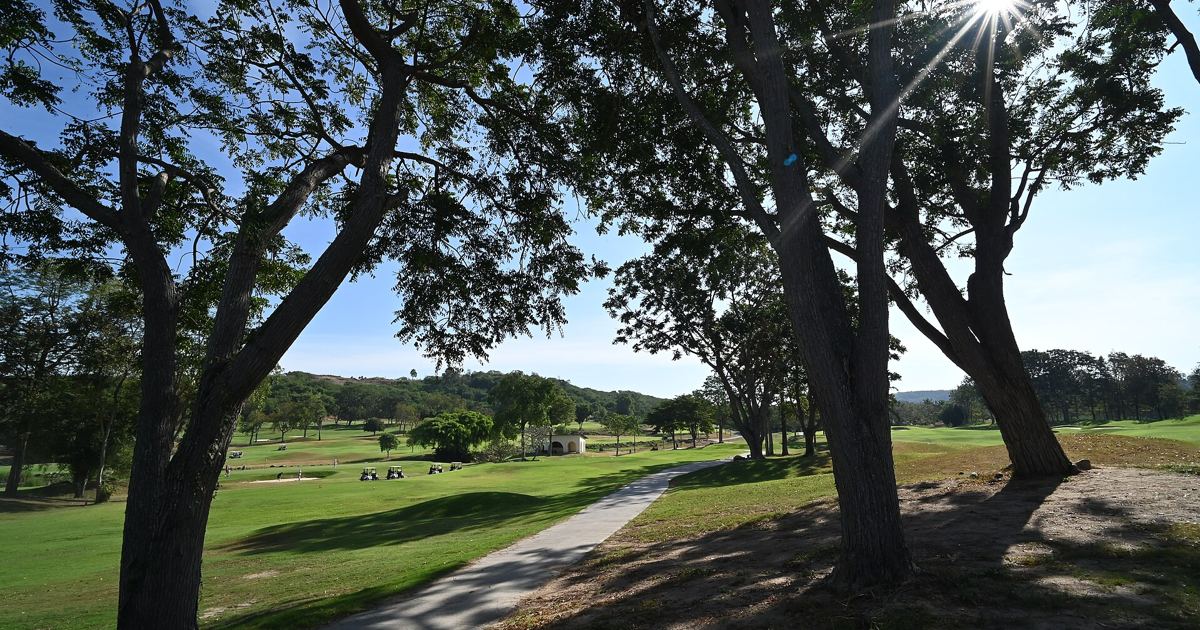
Active adults accumulate more ultraviolet radiation exposure and face a greater risk of skin cancer than inactive adults. Engaging in daylight sports over extended periods places outdoor enthusiasts in an environment of sustained sun exposure. Understanding how individuals perceive these dangers and how they respond to preventive measures is critical for personal skin defense.
Understanding Daylight Sports and Accumulated Radiation Exposure
Outdoor athletic pursuits such as golf are played outside during daylight hours, making them a direct driver of cumulative solar exposure. A 2021 journal article titled Golfers' Interest in Multilevel Sun-Protection Strategies. examined this exact dynamic. Because rounds of play keep participants outdoors under direct daylight for substantial stretches, active participants naturally absorb higher levels of ultraviolet radiation over time compared to sedentary individuals.
When athletes spend extensive periods outdoors, the potential for tissue damage and skin cancer escalates. Even among regular players who recognize the sport as an environment of risk, consistent execution of personal protection remains a major challenge. Combining behavioral habits with external support is often required to sustain practical safety over multiple hours of outdoor activity.
Evaluating the 2021 Golfer Sun-Safety Study Design and Limits
To accurately understand what the evidence shows, it is essential to evaluate the design and parameters of the investigation. The study published in the International Journal of Environmental Research and Public Health assessed sun-safety preferences among active participants, but several methodological boundaries must be kept in mind:
- Specific Sample Size: The findings reflect a single cross-sectional web survey completed by 347 adult golfers.
- Self-Reported Opinions: Participants rated their personal interest across 20 distinct sun-protection strategies, meaning findings represent self-reported preferences rather than observed clinical health outcomes.
- Sport-Specific Context: The research evaluated golf exposure and golfer characteristics, which may not mirror every dynamic seen in other outdoor activities.
- No Direct Clinical Interventions: The survey measured interest in theoretical interventions rather than tracking changes in skin biopsies or biological markers.
Because this represents only one study, findings should not be overstated. However, the survey provides useful insights into how outdoor sports enthusiasts view prevention strategies and where gaps between awareness and daily execution emerge.
Checklist: Environmental Sun-Safety Supports
The 2021 study revealed that adult golfers expressed their greatest overall interest in environmental supports for sun protection. These environmental measures focus on changing the physical setting to make protective behaviors straightforward and accessible during play. When reviewing an outdoor athletic venue, consider the following checklist points:
- On-Site Sunscreen Availability: Verify whether the athletic facility or course provides accessible sunscreen dispensers at gathering hubs, registration desks, or rest stations.
- Physical Shade Structures: Look for covered seating, designated shade canopies, and shaded resting zones along open fairways or exposed practice areas.
- Pro Shop Protective Gear: Check whether local pro shops carry protective gear, including broad-brim hats, long-sleeved apparel, and sunglasses. For more information on garment ratings, review our guide to Sun-Protective Clothing and UPF: What the Label Means.
Interestingly, the study noted that interest in environmental supports was largely driven by golfers who already perceived golf as a risk behavior and who were already diligent sunscreen users. Athletes who already practice personal defense frequently seek structural amenities that support their existing habits.
Checklist: Behavioral Prompts and Education for Vulnerable Athletes
A critical observation from the 2021 study on golfers' sun protection was that vulnerable participants had different intervention preferences. Golfers who experienced a golf-related sunburn in the past year or who spent more time golfing expressed interest in a broader range of intervention components. To address these vulnerabilities, athletes can implement personal accountability checks:
- Direct Text Message Reminders: Set up automated mobile alerts or digital notifications prior to tee times to prompt pre-application and scheduled reapplication of sun protection.
- Targeted Educational Information: Review factual materials on daylight radiation hazards, understanding that sports played in open sunshine demand intentional shielding.
- Peer and Family Support: Involve family members or playing partners in shared routines, establishing mutual reminders to wear protective hats and reapply sunscreens before heading outdoors.
The investigators emphasized that vulnerable athletes are open to sun-safety behaviors but often need structured assistance and practical reminders to execute them consistently. Layering physical defenses is explored further in our checklist on Layering Sun Barriers for Outdoor Safety: A Practical Checklist.
Checklist: Actionable Steps for Dedicated Sports Enthusiasts
Because active adults accumulate more daylight exposure than the general population, relying on good intentions alone is rarely sufficient. A multilevel framework combining personal habits, physical items, and external reminders offers the most comprehensive strategy:
- Audit Personal UV Risk Perception: Acknowledge that frequent daylight play directly increases skin cancer risk and cumulative damage.
- Schedule Timely Reminders: Use timers or phone prompts during long matches to overcome the distraction of competitive focus.
- Engage with Primary Care Physicians: Consult a qualified physician or dermatologist for regular clinical skin examinations, particularly if you have experienced sports-related sunburns.
Sources
Golfers' Interest in Multilevel Sun-Protection Strategies. - International Journal of Environmental Research and Public Health (PubMed PMID 34299704)
Published October 31, 2026. Sources are linked in the text. See our Medical Disclaimer.