The Sunburn Pigment Paradox: Why Burning Temporarily Depletes Skin Melanin
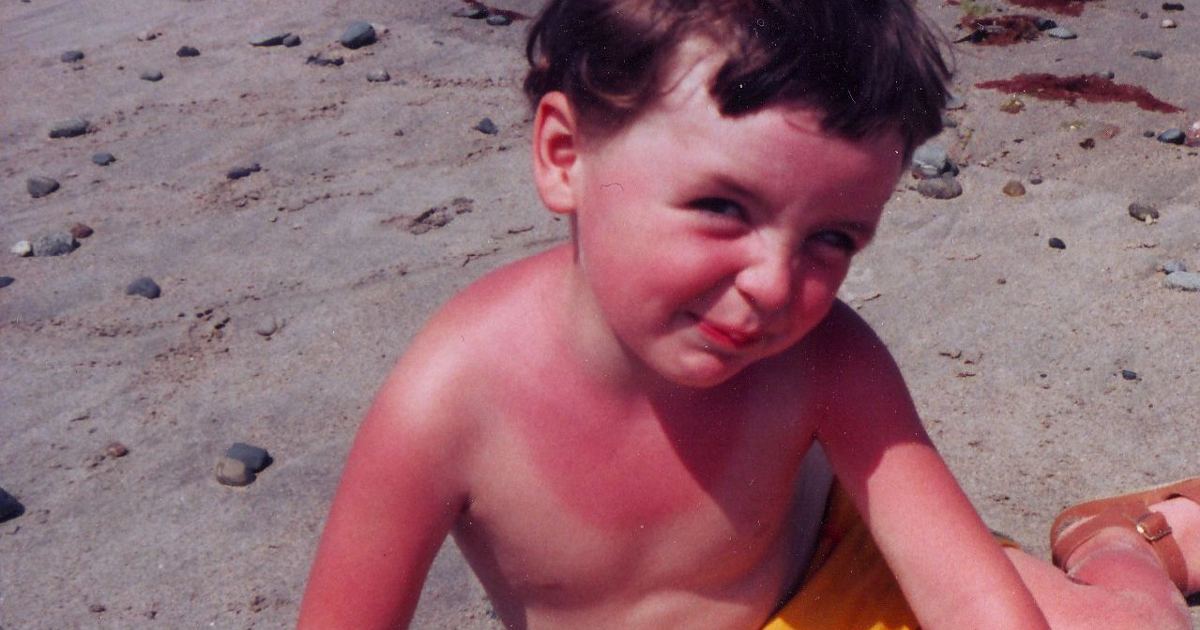
Many individuals assume that receiving a sunburn prompts the skin to instantly darken its pigment to defend against ongoing ultraviolet radiation. However, laboratory findings published in the medical journal Skin Pharmacology and Physiology demonstrated a surprising counter-reaction: an acute ultraviolet B burn causes a temporary drop in skin pigment right when erythema is at its height. At MelanotanInstructions.com, our educational goal is to provide clear, science-backed insights into skin biology and ultraviolet safety. We never provide dosing instructions, sourcing channels, or injection guides for unregulated compounds, and we urge readers to discuss skin changes directly with a physician or dermatologist.
What Did the 2011 Sunburn Pigmentation Study Investigate?
In 2011, researchers set out to evaluate the simultaneous development of erythema and pigmentation during the early hours and days following ultraviolet B exposure. Prior to this work, the immediate time course connecting inflammation to pigment levels had not been tracked concurrently using objective photometric measurements.
The resulting paper, titled Double trouble from sunburn: UVB-induced erythema is associated with a transient decrease in skin pigmentation, investigated how tissue reacts during the acute phase before delayed tanning takes place.
How Was This Clinical Trial Structured?
Because accurate dermatological evaluation requires controlled conditions, the study authors designed a structured protocol to monitor epidermal responses:
- The researchers recruited 15 volunteers.
- Test sites on the volar forearms of the volunteers were irradiated with 210 mJ/cm(2) UVB.
- Photometric evaluations of skin erythema and pigmentation were collected at time 0, after 6 h, and after 1, 2, 3, and 7 days.
- Punch biopsies were gathered from the test skin before irradiation, after 6 h, and after 7 days.
- Melanocytes within the tissue samples were stained using the DOPA method to confirm cellular pigment activity.
Why Is the Early Reaction Described as "Double Trouble"?
Under conventional assumptions, people often believe that reddening skin immediately builds a defensive shield. In reality, the authors recorded a paradoxical biological reaction. UVB exposure led to an increase in erythema across every evaluated time point, reaching its peak at 24 h and slowly declining through day 7.
Surprisingly, this peak inflammatory window coincided with a pronounced decrease in measurable skin pigmentation during the early readings. Rather than becoming darker right away, the skin experienced a transient pigment drop. DOPA staining of melanocytes confirmed this depletion at the cellular level. An increase in pigmentation above baseline levels appeared only after 7 days. The study authors concluded that acute UVB-induced erythema leaves the skin with increased susceptibility to the harmful effects of solar radiation because natural pigment defenses are temporarily depleted during the burn.
Does a Sunburn Build Quick Protection?
The clinical timeline from this study directly refutes the common misconception that an acute burn accelerates protective tanning. Because pigmentation dropped during the first several days while redness peaked, sunburned skin was actually left more vulnerable to solar damage. Relying on an early burn to generate immediate defense is biologically counterproductive, a concept explored further in our review of the base tan myth.
The study authors explicitly noted that these outcomes emphasize the vital importance of avoiding even moderate sunburns and ensuring that any adaptation of the skin to solar radiation occurs slowly rather than through acute, burning exposures.
What Are the Limits of This Research?
While the findings provide valuable insight into epidermal responses, it is essential to consider the boundaries of the investigation and not overstate its conclusions:
- This was a single study involving 15 volunteers, meaning larger cohorts are needed to assess wider demographic variations.
- Testing took place exclusively on volar forearm skin using a fixed UVB dose of 210 mJ/cm(2), which may not reflect how other body sites or mixed solar spectra react.
- The photometric readings and biopsies were tracked for 7 days, focusing on the acute injury window rather than long-term pigment persistence.
How Should Readers Apply These Findings to Skin Care?
Because acute burns temporarily weaken the skin's pigmentary defense, preventing sunburn remains a critical medical priority. Anyone experiencing severe pain, blistering, or extensive skin damage should consult a doctor and review guidance on how to treat a sunburn using physician-approved methods. Furthermore, readers researching synthetic tanning agents must recognize that melanotan peptides purchased online remain unapproved and unregulated by health authorities, carrying significant medical risks. The safest approach to ultraviolet exposure and skin health is always guided by board-certified dermatologists.
Sources
Published October 31, 2026. Sources are linked in the text. See our Medical Disclaimer.