Sunburn and Peeling Timeline: Myths vs. Clinical Evidence
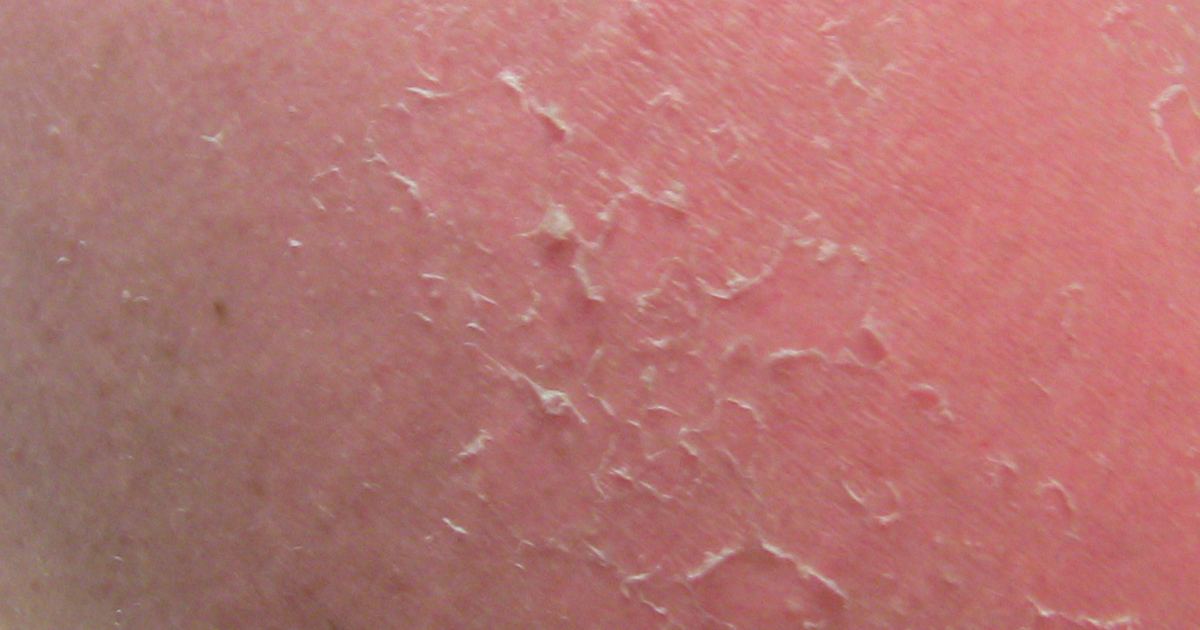
Acute overexposure to ultraviolet radiation triggers a complex inflammatory response in human skin. While many people anticipate an instant reaction when spending too long in the sun, dermal injury actually unfolds across a distinct physiological timeline. Understanding how capillary dilation, delayed erythema, and epidermal shedding progress helps clarify why sunburns catch so many people off guard. For individuals researching tanning biology, it is also important to note that unapproved, unregulated peptides like melanotan I and II carry serious health concerns and should never replace evidence-based sun habits guided by a board-certified dermatologist.
Myth: Sunburn Erythema and Cellular Damage Occur Instantly
A widespread assumption is that a sunburn immediately turns skin bright red before a person leaves the sun. However, clinical documentation from the MedlinePlus Medical Encyclopedia on sunburn explains that the first signs of solar injury may not appear for a few hours. In fact, the full biological effect on your skin might not become evident for 24 hours or longer.
By the time cutaneous tissue feels warm, sensitive, and visibly flushed, the cellular damage has already occurred. Ultraviolet exposure induces injury whenever radiation outpaces the protective capacity of melanin—the skin's natural pigment. Depending on baseline susceptibility, a very light-skinned individual can sustain acute damage in less than 15 minutes of midday sun exposure, whereas an individual with darker skin may tolerate that same radiant intensity for hours before inflammatory pathways manifest. You can learn more about individual vulnerability in our guide to Fitzpatrick skin types.
Myth: Dermal Capillary Dilation and Pain Peak Immediately
Another common misconception is that the sharp sting of a sunburn peaks within the first hour of coming indoors. In reality, dermal blood vessels continue to widen and release inflammatory mediators long after ultraviolet radiation stops. According to medical authorities, sunburn pain is typically at its worst between 6 to 48 hours after sun exposure.
During this acute inflammatory window, expanding dermal capillaries create solar erythema—tender, reddened skin that radiates warmth. Depending on the depth of tissue involvement, acute overexposure can produce either first-degree or second-degree burns. When deeper cellular injury occurs, fluid-filled blisters develop hours to days later, signaling significant epithelial separation that requires careful protective handling.
Myth: Peeling Indicates That Skin Has Quickly Recovered
Many individuals believe that once peeling begins, the underlying skin has resolved the trauma. However, skin peeling on sunburned areas typically begins several days after the sunburn occurred. While visible symptoms like redness and tenderness are temporary, the underlying damage to skin cells is often permanent.
These permanent alterations can lead to early aging of the skin and elevate the lifetime risk of skin cancer. Even though skin cancers generally surface during adulthood, clinical evidence confirms they stem from cumulative sun exposure and sunburns that began as early as childhood. Peeling is simply the mechanical shedding of severely damaged epidermal layers, not an indicator of restored structural health.
Myth: Butter, Petroleum Jelly, or Numbing Sprays Are Safe Remedies
Popular folklore frequently advises applying thick ointments or topical anesthetics to suppress burning sensations. Medical guidance strongly advises against these practices because they can worsen the inflammatory state. Safe, evidence-based home care focuses on heat dissipation and gentle symptom control:
- Cool compresses and baths: Take a cool shower or bath, or place clean, wet, cool washcloths on the affected skin to soothe discomfort.
- Avoid occlusive barriers: Do not apply butter, petroleum jelly (Vaseline), or other oil-based products. These heavy substances trap heat and sweat by blocking pores, which can lead to cutaneous infection.
- Avoid topical anesthetics: Do not use products containing benzocaine or lidocaine, as these agents can trigger allergic reactions and exacerbate skin damage.
- Protect intact blisters: If blisters form, dry bandages can help prevent infection; never pick at or peel away the blister roof.
- Hydration and systemic relief: Drink lots of water, wear loose cotton clothing, and consider over-the-counter pain relievers like ibuprofen or acetaminophen. Aspirin must not be given to children.
- Topical anti-inflammatories: Cortisone creams may help reduce active inflammation, and moisturizing cream can be applied if skin is not blistering. Creams containing vitamins C and E may also help limit damage to skin cells.
For more detailed recovery protocols, explore our step-by-step breakdown on how to treat a sunburn.
Recognizing Severe Systemic Reactions
Severe acute overexposure can exceed localized dermal inflammation and trigger systemic toxicity, sometimes referred to as sun poisoning. According to the MedlinePlus sunburn guidance, individuals must contact a healthcare provider immediately if a sunburn is accompanied by fever, or if there are signs of shock, heat exhaustion, or dehydration. Critical warning signs include feeling faint or dizzy, having a rapid pulse or rapid breathing, experiencing extreme thirst, producing no urine, having sunken eyes, or presenting with pale, clammy, or cool skin.
Severe, painful blisters, nausea, chills, rash, or eyes that hurt and feel sensitive to light also necessitate urgent medical evaluation. When evaluating your skin, a healthcare professional will review the burn's extent, check current medications that might increase photosensitivity—such as the antibiotics doxycycline or tetracycline—and screen for underlying photosensitizing conditions like lupus.
Sources
MedlinePlus Medical Encyclopedia: Sunburn.
Published October 28, 2026. Sources are linked in the text. See our Medical Disclaimer.