Sunburn Timing and Melanoma Risk: Comparing Life Stages
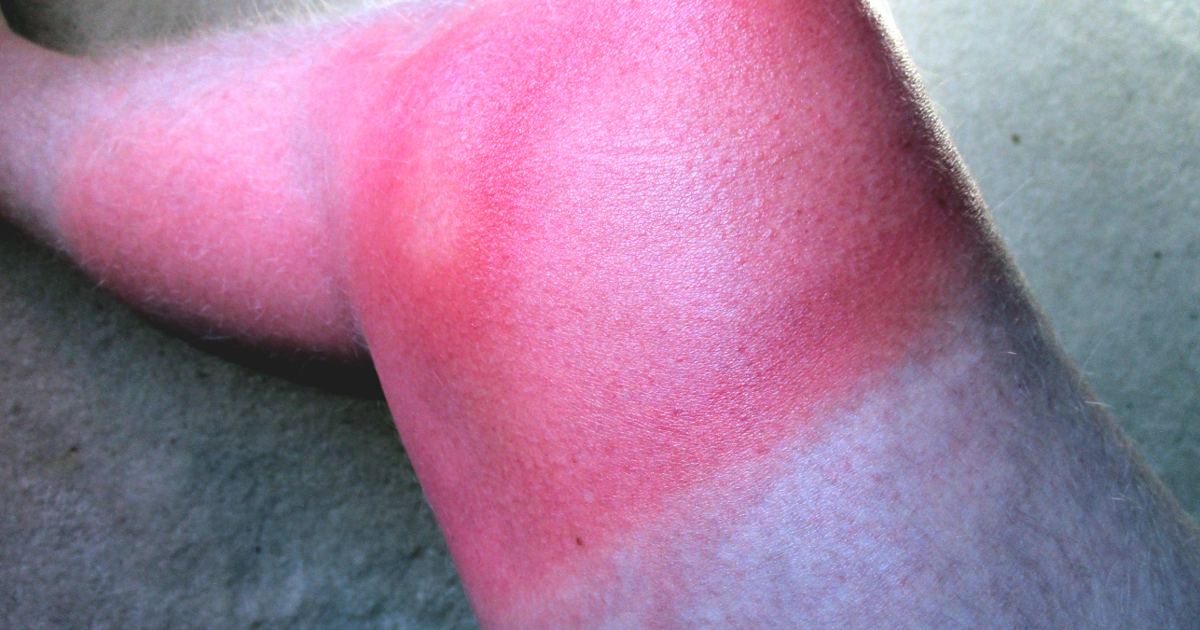
For decades, public health discussions around ultraviolet light have focused heavily on childhood sun exposure, frequently suggesting that early-life blistering burns are the primary determinant of skin cancer risk. While shielding youth from radiation is critical, questions remain regarding how burns sustained during later stages of life compare. A comprehensive research paper addressed this issue by directly comparing epidemiological data across distinct life periods to determine whether the timing of a sunburn changes its association with cutaneous melanoma.
Childhood vs. Adulthood: Re-Evaluating When Sunburns Matter
A frequent assumption in general health discussions is that sunburns occurring in childhood pose by far the greatest hazard for melanoma development. To evaluate this belief against published evidence, researchers conducted a meta-analysis published in the journal Annals of epidemiology in 2008 titled "Sunburns and risk of cutaneous melanoma: does age matter? A comprehensive meta-analysis." The investigators sought to quantify the strength of association between cutaneous melanoma and sunburn episodes occurring across four distinct periods:
- Childhood
- Adolescence
- Adulthood
- Lifetime exposure
Rather than showing that adult burns are harmless, the pooled data revealed that an increased risk of melanoma is observed with an increasing number of sunburns across all time periods, not merely during childhood.
Study Design: How the Meta-Analysis Pooled Evidence
To evaluate the relationship between exposure timing and disease development, the authors conducted an extensive screening process across medical databases. The investigators reviewed more than 1300 article titles before examining 270 publications in full detail. From this pool, they extracted odds ratios from 51 independent study populations that evaluated melanoma risks among individuals who had ever experienced a sunburn.
To measure how the frequency of severe burns influenced risk, the researchers analyzed the subset of literature that contained detailed exposure gradients. Of that group, 26 studies provided numerical data suitable for dose-response analysis. The authors calculated these trends utilizing both fixed-effects models alongside Bayesian random-effects models to ensure comprehensive statistical evaluation across differing research groups.
Comparing Risk by Sunburn Frequency: The Five-Burn Metric
Directly comparing sunburn risk between different life stages presents a methodological challenge because adulthood covers several decades, whereas childhood and adolescence span far shorter periods. To facilitate an equitable comparison, the study authors modeled risk on a standardized scale of five sunburns per decade for each respective life period.
When evaluated on this standardized metric of five sunburns per decade, the analysis revealed clear patterns:
- Sunburns during childhood correlated with elevated melanoma risk.
- Sunburns during adolescence demonstrated a similar upward risk trajectory with greater frequency.
- When evaluated at five sunburns per decade, the risk magnitude peaked for adult and lifetime exposures.
These findings show that accumulating painful sunburns in adulthood remains hazardous. The idea that adults are somehow insulated from new UV damage if they avoided sunburns in youth is contradicted by this pooled data. For readers learning about different types of skin cancer, recognizing that adult sun safety remains just as consequential as pediatric defense is critical.
Study Limits: Interpreting Meta-Analytic Evidence
While this paper provides valuable synthesis, it represents a single meta-analysis and has clear methodological boundaries that must be considered:
- Recall limits: Most included studies asked adult participants to recall childhood or adolescent sunburns from decades earlier, introducing the potential for retrospective recall errors.
- Restricted dose-response sample: Although 51 independent study populations offered data on whether individuals were ever sunburned, only 26 studies provided adequate data for the dose-response models.
- Heterogeneous definitions: The individual studies pooled in the analysis used differing definitions for what constituted a severe or painful sunburn and applied varying age thresholds for childhood and adolescence.
Because of these limitations, the specific calculations should be viewed as broad comparative evidence rather than precise individual predictions.
Prevention and Skin Safety Across All Life Stages
The central conclusion of the 2008 meta-analysis is clear: prevention efforts must focus on reducing sunburns across all life periods rather than concentrating solely on children. Protecting the skin from ultraviolet radiation requires continuous, lifelong attention.
In search of quick tanning or sun protection shortcuts, some individuals encounter unregulated peptides like melanotan I and II online. These unregulated substances are unapproved by regulatory agencies and carry unknown medical risks. Relying on unapproved tanning peptides is never a safe or medically supported strategy. Instead, people should adopt daily shade-seeking, wear protective garments, and understand how to treat a sunburn appropriately if overexposure occurs. Anyone with a history of frequent sunburns or changing skin spots should consult a board-certified dermatologist or primary care doctor for regular professional skin evaluations.
Sources
Published October 30, 2026. Sources are linked in the text. See our Medical Disclaimer.