Sunburns and Cutaneous Squamous Cell Carcinoma: What the Evidence Shows
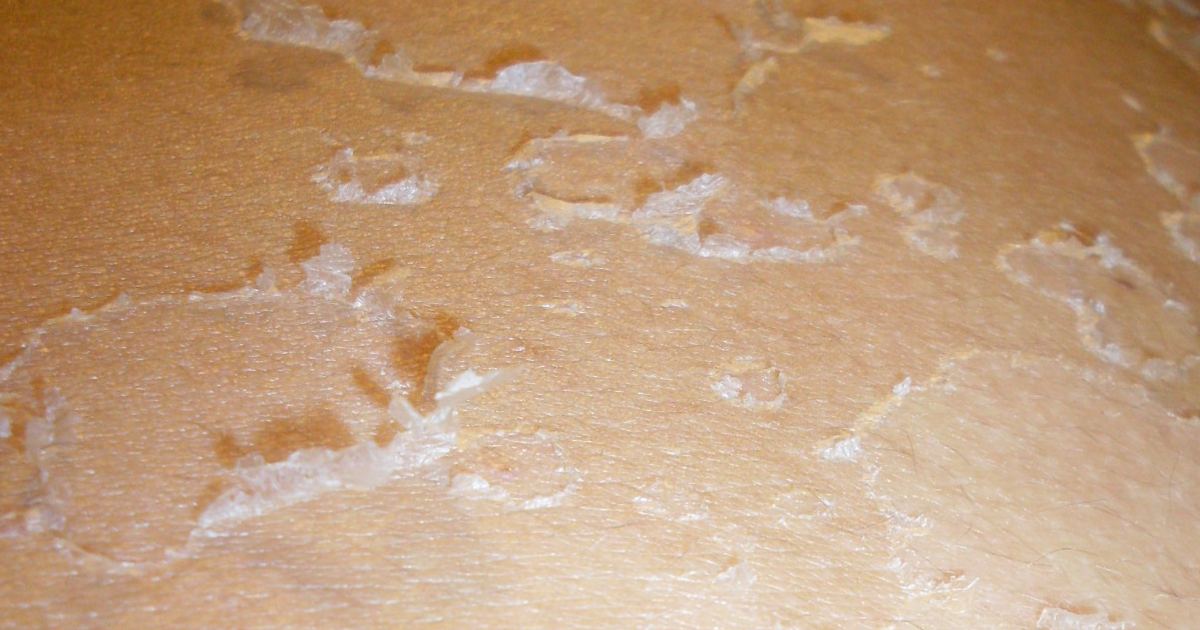
While ultraviolet (UV) radiation is well established as a carcinogen linked to cutaneous squamous cell carcinoma (cSCC), the exact role that severe, acute burning plays compared to chronic exposure has often been debated. To clarify this relationship, a systematic review and meta-analysis published in JAMA Dermatology gathered observational data to measure how sunburn frequency throughout life associates with developing this skin cancer.
Study Design and Search Scope
The research team conducted a comprehensive database search spanning PubMed, Embase, and the Cochrane Library (CENTRAL) from inception up to May 6, 2025, without date or language limits. The investigators searched for analytical studies in the general population evaluating nonmelanoma skin cancer, Bowen disease, and cSCC alongside terms for sun damage, UV rays, and sunburn.
The study selection process followed the Meta-analysis of Observational Studies in Epidemiology (MOOSE) guideline:
- Three masked independent reviewers screened 9310 titles and abstracts.
- 279 articles advanced to a full-text review.
- 43 articles ultimately met the eligibility criteria.
- Two independent reviewers extracted data, and the random effects DerSimonian-Laird method was utilized to pool the statistical results.
- Overall, pooled data in the primary meta-analysis drew from analytical investigations combining 321 473 participants.
Lifetime Painful Sunburns and cSCC Odds
In the JAMA Dermatology meta-analysis on sunburn and cutaneous squamous cell carcinoma, researchers evaluated sunburn measures categorized into ordinal frequency groups: none, low, medium, and high. Sunburns were classified by their severity, specifically noting events described as painful, blistering, and/or severe.
The primary analysis evaluated the most adjusted measure of association standardized to odds ratios (OR). The results demonstrated a clear statistical link between severe burns and cSCC:
- A history of any painful, blistering, and/or severe sunburn showed significantly increased odds of cSCC (OR, 1.38; 95% CI, 1.06-1.79).
- Medium lifetime frequency of painful, blistering, and/or severe sunburns was associated with an OR of 1.51 (95% CI, 1.26-1.81).
- High lifetime frequency of painful, blistering, and/or severe sunburns raised the odds further, showing an OR of 1.69 (95% CI, 1.39-2.06).
These findings demonstrate that cumulative acute damage—marked by pain and blistering—carries measurable risk for nonmelanoma skin malignancies, as detailed in our guide on types of skin cancer.
Childhood Sunburns Carry Distinct Risk
The investigation also specifically isolated the timing of sun injury across different life stages. When looking at acute UV damage sustained early in life, the association was particularly pronounced.
According to the pooled estimates, individuals with high frequencies of painful, blistering, and/or severe sunburns during childhood experienced more than triple the odds of developing cSCC (OR, 3.11; 95% CI, 1.26-7.66). This underlines the biological vulnerability of developing skin to severe radiation damage, a factor that clinicians often highlight when evaluating lifelong risk.
Understanding the Limits of the Evidence
While the findings provide strong statistical signals, the study authors outlined specific constraints inherent to the underlying data. First, the meta-analysis compiled observational investigations, which rely heavily on participant recall regarding burns that occurred decades earlier, including during childhood.
Second, the primary analysis pooled the most adjusted effect estimates available, but had to incorporate unadjusted measures when adjusted figures were missing. While this methodology standardizes data across diverse papers, residual confounding factors cannot be completely eliminated. Readers should treat this publication as a single comprehensive synthesis rather than conclusive proof of isolated causation independent of overall UV exposure.
Clinical Takeaways and Skin Safety
For individuals seeking cosmetic tanning, understanding UV harm is essential. People sometimes turn to unregulated tanning peptides purchased online, such as melanotan I or melanotan II, hoping to avoid burns or induce pigmentation. These online substances remain unapproved and unregulated, carrying significant health uncertainties that should always be discussed with a qualified doctor or dermatologist rather than self-administered.
As demonstrated by the 2025 JAMA Dermatology study, blistering skin injuries contribute meaningfully to lifetime oncologic risks. Preventing severe skin burns through evidence-based protection—such as broad-spectrum shade and protective habits—remains a foundational principle of long-term skin health. Anyone noticing new, non-healing, or irregular lesions should seek evaluation from a medical provider promptly, or read our overview on actinic keratosis to understand precancerous changes.
Sources
Published October 28, 2026. Sources are linked in the text. See our Medical Disclaimer.