Tanning Culture and Skin Cancer: Irish Survey Key Numbers
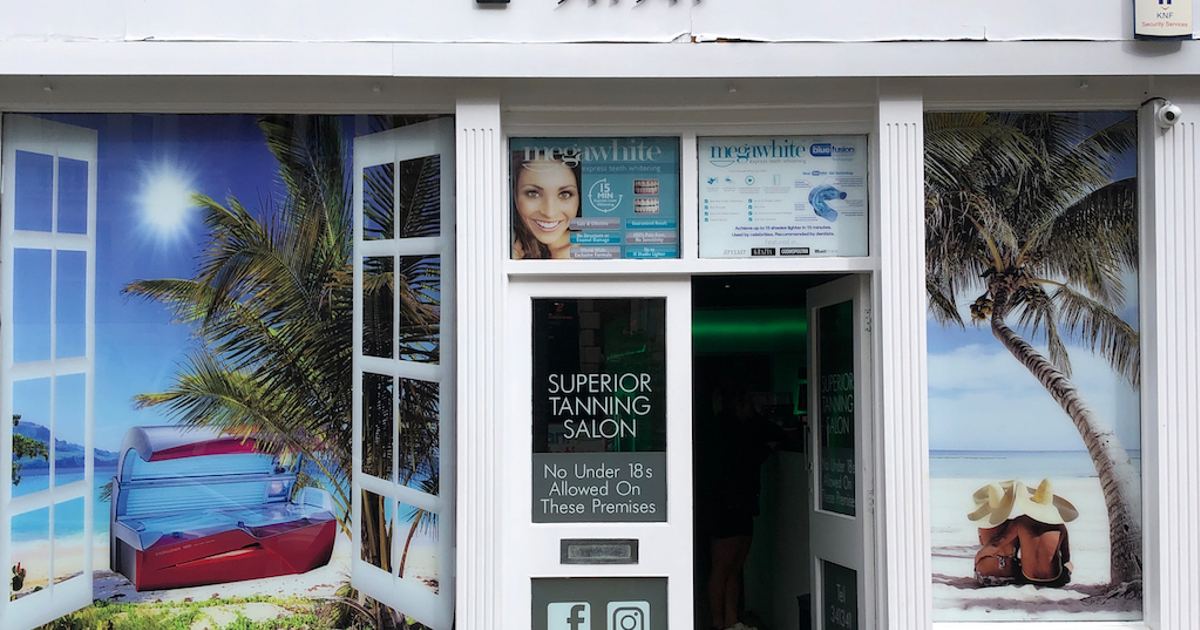
Cultural preferences regarding complexion continue to shape how individuals treat their skin, often pushing people toward hazardous artificial radiation or untested tanning methods. While public health initiatives emphasize the biological dangers of ultraviolet radiation, social perceptions frequently celebrate tanned skin as an aesthetic ideal. Understanding the statistical divide between medical knowledge and everyday sun-seeking choices provides clear insight into why artificial and natural UV exposure remain common despite public warnings.
Study Design and Research Limits
To evaluate these dynamics, researchers published a 2024 cross-sectional investigation titled Beliefs, behaviours, and attitudes towards tanning and melanoma in the Irish population in the journal Skin Health and Disease. This single study collected information through an online questionnaire examining sun exposure, tanning methods, and awareness of skin cancer. Study investigators recruited participants across demographic categories, specifically balancing for gender, age groups, and geographic regions.
The survey gathered data from 1043 respondents, reaching an overall response rate of 85%. The mean age among those surveyed was 41 years, with adult participants starting from age 20. Readers must consider the structural limitations of this paper: it represents a single cross-sectional survey dependent on self-reported answers rather than direct clinical observations, meaning it identifies correlations rather than proving long-term causal timelines. Furthermore, the findings reflect a specific national population and should not be overstated as identical across every demographic.
Key Number: 69.4% on Appearance and Well-Being
A primary finding from the dataset illustrates the powerful role of aesthetic motivation. Among respondents, 69.4% reported feeling and looking better with a tan. This overwhelming preference highlights the cultural pressure that associates bronzed skin with personal vitality, even among populations with fair skin types that face substantial baseline vulnerability under intense UV rays.
The authors concluded that skin cancer prevention initiatives must directly confront the aesthetic and cultural motivations behind tanning rather than focusing solely on biological facts. When social habits reward a darkened complexion, individuals are far more likely to seek out intense sun exposure or consider dangerous shortcuts. People researching unregulated options like synthetic tanning peptides should remember that products sold online under names such as melanotan lack regulatory approval, carry unverified safety profiles, and cannot replace evidence-based guidance from a board-certified dermatologist.
Key Numbers: 48.9% Outdoor Tanning and 41.5% Sunbed Use
The survey demonstrated that aesthetic preferences translate into widespread exposure to radiation. The investigation documented the following patterns of intentional exposure:
- 48.9% regularly sunbathed whenever sunny weather occurred in Ireland.
- 41.5% reported having used commercial tanning beds.
These rates exist against a clinical backdrop where melanoma rates continue an upward climb in the country. Despite public warnings regarding artificial ultraviolet emissions, more than four in ten respondents had exposed themselves to tanning beds and UV radiation. The study also highlighted the need for future scientific exploration into the potential addictive qualities of UV-seeking behavior, which could open new supportive pathways for individuals who struggle with compulsive tanning habits.
Key Number: 45.9% Accepting Sunburns for a Tan
Perhaps the most concerning disconnect in the survey is the willingness to endure direct tissue injury for the sake of pigmentation. Among those who reported sunbathing, 45.9% agreed that getting sunburned was worth it if it resulted in a tan. This reveals that acute skin damage is actively normalized by nearly half of active sunbathers as a tolerable trade-off for cosmetic results.
Furthermore, when participants explained why they skipped sun protection while lying in the sun, the single most common reason cited was that photoprotection prevented tanning. Participants maintained high perceived concerns about developing melanoma, yet they displayed mixed awareness regarding practical risk reduction strategies. The cosmetic desire for color regularly overrode personal concern about oncological hazards, demonstrating that fear of disease does not automatically generate protective daily habits.
Key Number: 42.4% Confidence in Spotting Melanoma Signs
Early clinical intervention remains vital for managing malignant skin lesions, yet the survey identified a widespread deficit in self-monitoring skills. Only 42.4% of respondents reported feeling confident about what specific signs to look for when inspecting their own skin for melanoma.
This leaves more than half the surveyed population unsure about identifying abnormal changes in moles or surrounding tissue. Rather than relying on guesswork, individuals should schedule formal full-body screenings with qualified physicians or dermatologists. Clinicians can accurately identify suspicious lesions, teach patients reliable self-examination techniques, and explain the physical hazards of unregulated tanning compounds. You can explore our guide on what melanotan is and its legal status to understand how unregulated tanning agents differ from supervised clinical dermatology.
Summary of Key Findings
The data from this 2024 national survey clarify several critical gaps between public awareness and cosmetic choices:
- 1043 respondents completed the research survey (85% response rate; mean age 41 years).
- 69.4% felt and looked better with tanned skin.
- 48.9% engaged in regular outdoor sunbathing during sunny local weather.
- 41.5% had utilized indoor tanning beds.
- 45.9% of sunbathers considered acute sunburn an acceptable cost for achieving color.
- 42.4% felt confident identifying early melanoma signs on their skin.
Sources
Data and findings discussed in this article are derived from the following peer-reviewed literature:
Published October 31, 2026. Sources are linked in the text. See our Medical Disclaimer.