Topical Ruxolitinib for Vitiligo: Reviewing the Phase 2 Trial
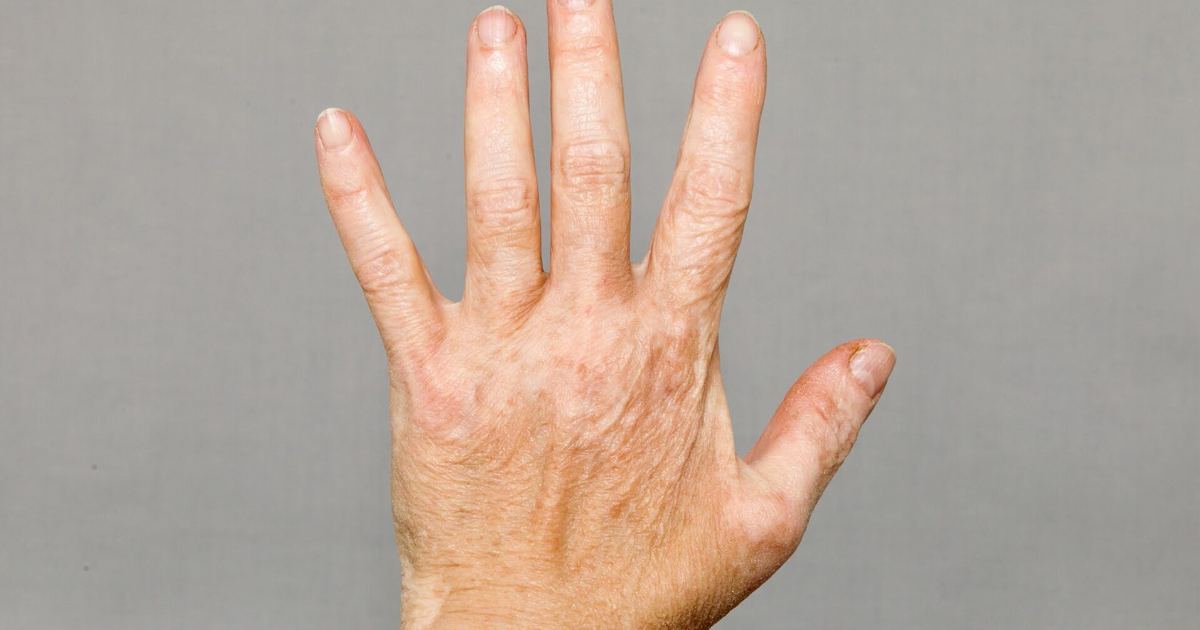
Vitiligo is an autoimmune condition that disrupts epidermal melanin production, resulting in visible patches of depigmented skin. For individuals exploring how pigment cells reactivate, medical research has increasingly examined targeted immune signaling rather than non-specific stimulation. Anyone curious about pigment recovery should understand that legitimate clinical progress comes from peer-reviewed trials rather than unregulated products.
Study Design and Patient Selection
A multicenter, randomized, double-blind investigation published in The Lancet examined the efficacy and safety of topical ruxolitinib cream in adults with vitiligo. According to the Lancet phase 2 trial report on PubMed, investigators conducted the study across 26 US hospitals and medical centres in 18 states. Between June 7, 2017, and March 21, 2018, researchers screened 205 patients for eligibility, excluded 48, and randomly assigned 157 participants.
The enrolled cohort included 73 male participants (46%) and 84 female participants (54%). To participate, adult patients had to present with depigmented lesions covering 20% or less of their total body surface area. Participants were assigned across five parallel arms: 32 patients (20%) received an inactive vehicle cream twice daily, while the remaining participants received active ruxolitinib cream in varying schedules—including 33 patients (21%) using the formulation twice daily, 30 patients (19%) using it once daily, and two separate cohorts of 31 patients (20% each) testing once-daily applications.
Facial Repigmentation Results at Week 24
The primary efficacy measurement was the Facial Vitiligo Area Scoring Index (F-VASI). Specifically, researchers assessed the proportion of participants who achieved at least a 50% improvement from baseline (known as F-VASI50) at week 24. Understanding the structured progression of vitiligo and skin pigment loss helps put these measured endpoints into realistic clinical perspective.
At the 24-week mark, facial repigmentation differed substantially between active intervention and inactive vehicle groups:
- In the twice-daily active cream group, 15 of 33 patients (45%) reached the F-VASI50 milestone.
- In the once-daily group using the same cream strength, 15 of 30 patients (50%) achieved F-VASI50.
- In the vehicle control arm, only one of 32 patients (3%) met the primary endpoint.
Patients in the control group and those showing less than a 25% facial improvement on the lowest once-daily regimen were re-randomized at week 24 to higher active application regimens, with double-blind tracking continuing through 52 weeks.
Observed Adverse Events and Tolerability
Documenting safety is essential when assessing newly targeted therapies for vitiligo. In this trial, treatment-related adverse reactions were generally mild or moderate. Application site pruritus was the most frequently reported treatment-related event among patients applying the active cream, occurring in one of 33 patients (3%) in the twice-daily group, three of 30 patients (10%) in one once-daily group, three of 31 patients (10%) in a second once-daily group, and six of 31 patients (19%) in the third once-daily group. In comparison, application site pruritus occurred in three of 32 patients (9%) receiving the vehicle cream.
Acne was reported as a treatment-related reaction in 13 of 125 patients (10%) receiving active ruxolitinib cream, compared to one of 32 patients (3%) in the vehicle group. Four patients experienced serious treatment-emergent adverse events across the study period—one subdural haematoma, one seizure, one coronary artery occlusion, and one case of oesophageal achalasia—though investigators determined that all four events were unrelated to the study drug.
Study Limits and Clinical Realities
While the findings documented in the 2020 Lancet vitiligo trial suggest that topical ruxolitinib can facilitate repigmentation, the investigation carries specific boundaries. This was a single phase 2 trial funded by Incyte (ClinicalTrials.gov identifier NCT03099304) limited to 157 adult participants with localized involvement (total lesion surface of 20% or less). It did not assess broader systemic vitiligo involving the majority of the body surface.
Patients researching pigment restoration often encounter unregulated online tanning peptides, such as melanotan I or melanotan II. These black-market compounds are unapproved, lack safety oversight, and bypass standard medical monitoring. Autoimmune pigment loss requires individualized evaluation by a licensed doctor or dermatologist rather than self-directed use of experimental chemicals.
Sources
Published October 31, 2026. Sources are linked in the text. See our Medical Disclaimer.