UV Inflammation and Skin Aging: Separating Myth from Evidence
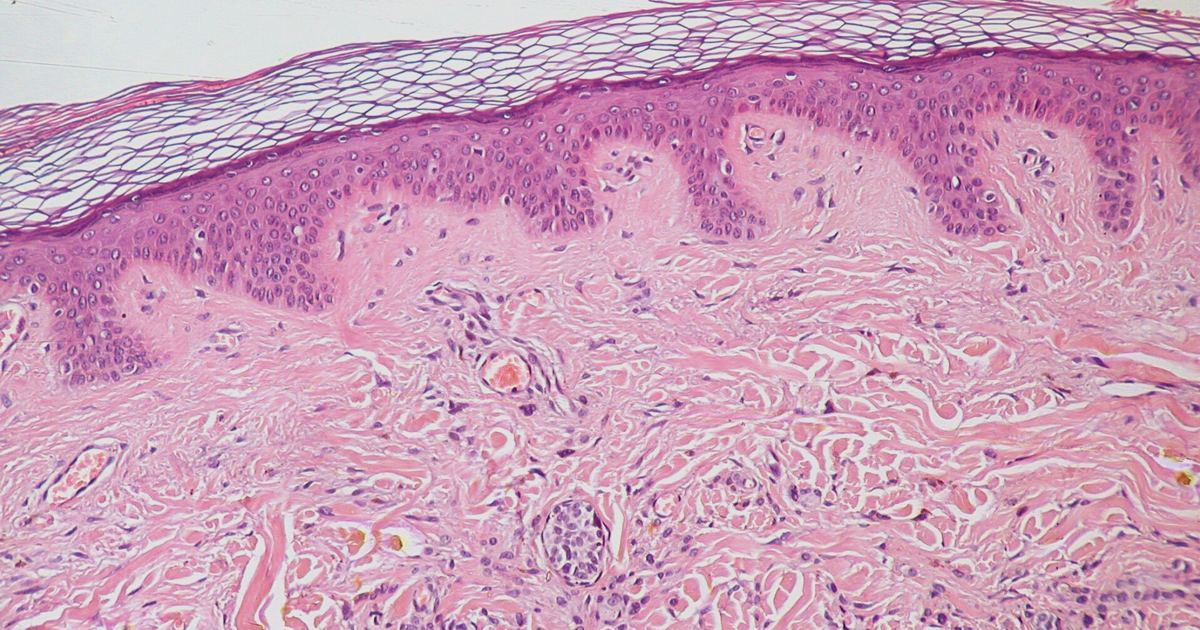
Many individuals view sunlight exposure as an uncomplicated cosmetic trade-off between gaining pigment and collecting surface wrinkles. However, dermatological research demonstrates that photoaging involves deep biological disruptions beneath the surface. Excessive exposure to ultraviolet radiation remodels the cutaneous immune network, triggering persistent cellular damage. By evaluating common misconceptions against published scientific literature, readers can better understand how sun-driven inflammation and impaired local immunity accelerate the skin aging process.
Myth: Sun Damage Is Just a Cosmetic Breakdown of Skin Fibers
A widespread assumption is that sun-induced aging is solely an external mechanical issue involving lost firmness or surface lines. Under this view, sun damage is treated as a simple structural wear-and-tear event rather than a systemic cellular reaction.
The Evidence: According to a 2022 paper published in Inflammation research : official journal of the European Histamine Research Society ... [et al.], excessive exposure to UV radiation (UVR) does far more than alter surface texture. It triggers a profound remodeling of the cutaneous immune system. UVR exposure induces cellular senescence—a state where cells permanently cease dividing yet remain metabolically active—and establishes a persistent inflammatory environment in the tissue. This state drives a photoaging process that is reminiscent of chronological aging, showing that light damage is an active, immune-mediated disorder rather than mere passive fiber depletion. Readers evaluating their cutaneous health can review the immediate vs. long-term effects of UV rays on skin to see how cellular stress evolves over time.
Myth: Tanned Skin Possesses Stronger Local Immune Defenses
Because tanned skin is often mistakenly associated with vitality, some believe that skin regularly exposed to solar radiation develops heightened immunological resistance against local stressors and outside pathogens.
The Evidence: Laboratory and clinical findings contradict this assumption. Over 30 years ago, researchers observed that UV radiation actually induced an immunosuppressive state within cutaneous tissue. Specifically, this exposure was proven to inhibit skin contact hypersensitivity. Instead of building protective vitality, chronic exposure hampers normal immune responsiveness. When evaluating tanning practices or unregulated products such as melanotan, which lack safety approvals and carry unpredictable risks, it is essential to recognize that solar radiation inherently undermines local immunological function rather than fortifying it.
Evidence: Chronic Low-Grade Inflammation Recruits Suppressive Cells
The 2022 review in Inflammation research details how chronic, low-grade inflammation paradoxically promotes immune failure. When UV radiation provokes sustained inflammatory signaling, the skin attempts to counteract this irritation by expanding specific regulatory and immunosuppressive cell populations.
These recruited cells alter the local tissue landscape:
- Regulatory T cells (Treg): These lymphocytes expand to dampen inflammatory signaling, contributing to localized immunosuppression.
- Myeloid-derived suppressor cells (MDSC): These immature myeloid cells accumulate in inflamed tissue and inhibit active immune surveillance.
- Regulatory dendritic cells (DCreg): These altered antigen-presenting cells prevent appropriate immune activation.
Rather than restoring healthy tissue balance, the heightened activity of these suppressive cells impairs the function of effector immune cells—a biological condition referred to as immunosenescence. Furthermore, this suppressive environment induces bystander degeneration of neighboring cells, amplifying tissue deterioration.
Myth: Photoaging and Chronological Aging Are Molecularly Identical
Because photoaged skin and naturally aged skin share key physical similarities, another common myth claims that sun damage simply runs the exact same biological clock at a higher speed.
The Evidence: The 2022 paper notes that both normal chronological aging and photoaging involve an accumulation of pro-inflammatory senescent cells and signs of chronic low-grade inflammation, known as inflammaging. In both conditions, this low-grade inflammation is accompanied by increases in anti-inflammatory and immunosuppressive activities that foster immunosenescence. However, the study highlights that photoaging and normal aging likely operate through different molecular mechanisms to trigger this inflammation and immune remodeling. Understanding these differences helps explain how UV radiation alters skin cells on a molecular level distinct from passage of time alone.
Study Design, Scope, and Key Limitations
To accurately interpret these scientific conclusions, it is necessary to examine the design and scope of the source paper:
- Review Design: This paper is a narrative literature review that synthesized findings from original research and review articles identified across major databases, including PubMed, Scopus, and Google Scholar.
- Lack of Primary Patient Data: Because the study compiles existing published literature rather than testing a new clinical cohort or conducting a randomized controlled trial, it cannot establish direct dosage thresholds or timelines for human exposure.
- Mechanism Hypotheses: While the review identifies shared immune features between photoaging and natural aging, it explicitly notes that the distinct molecular pathways separating the two remain to be fully characterized.
Given the complexities of UV-induced immunosuppression, individuals concerned about photoaging, sun-induced damage, or unexplained pigment changes should consult a board-certified dermatologist rather than relying on unproven self-tanning regimens or unapproved agents.
Sources
Published October 31, 2026. Sources are linked in the text. See our Medical Disclaimer.