Wearable Light Sensors for EPP: Myths vs. Clinical Evidence
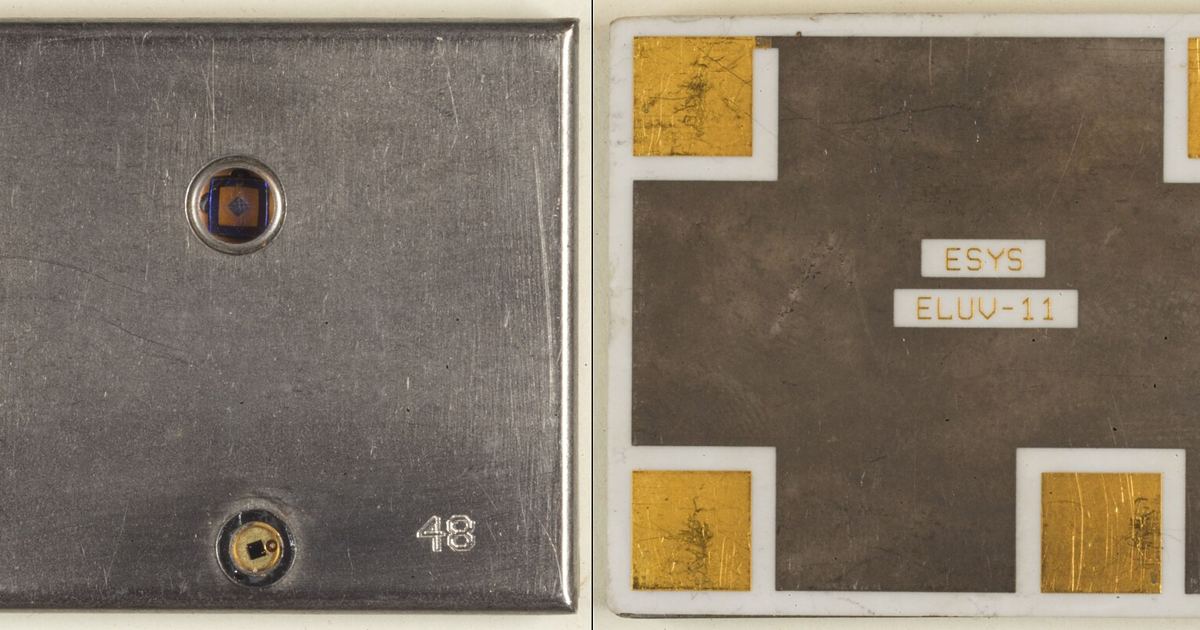
Erythropoietic protoporphyria (EPP) is a disorder that causes painful light sensitivity, creating severe restrictions on daily life and general well-being. Historically, patients and clinicians had to rely on subjective estimates to guess when sun exposure crossed into hazardous territory. In 2024, an observational pilot study of multi-wavelength wearable light dosimetry for erythropoietic protoporphyria published in the International Journal of Dermatology explored whether modern wearable devices can provide accurate objective metrics. Here is what current clinical evidence reveals when compared against common assumptions.
Myth: Estimating Outdoor Time Accurately Predicts Flare Risk
A widespread assumption among individuals managing phototoxicity is that tracking outdoor minutes offers sufficient warning to avoid painful reactions. Under this mindset, simply looking at a clock or recalling total outdoor exposure is presumed to be the best way to monitor daily personal risk.
The 2024 pilot study examined this belief directly by testing wearable dosimeters against self-reported outdoor duration. The researchers discovered that standard deviation increases from the mean in the daily blue light dose increased the odds ratio for symptom risk to 2.76. By comparison, self-reported outdoor time yielded an odds ratio of 2.38. These findings show that objective measurements of specific light doses provide a stronger correlation with symptom onset than general estimates of time spent outside.
Myth: Standard UV Tracking Tells the Entire Story for Phototoxicity
Because traditional sun protection focuses almost entirely on ultraviolet radiation, many people assume that tracking UV exposure alone is adequate for preventing phototoxic symptoms. In conditions like sunburn, UV wavelengths are indeed the primary driver of tissue damage.
However, the trial evaluated a multi-wavelength light dosimeter designed to capture distinct light doses across UVA, blue, and red wavelengths. When comparing these bands, standard deviation increases from the mean in the daily blue light dose increased the odds ratio for symptom risk more than the other wavelengths. This demonstrates that visible blue light plays a central, measurable role in triggering symptoms for individuals with erythropoietic protoporphyria, proving that conventional UV-only indicators fail to capture the full scope of real-world risk.
Myth: Sensor Placement on the Body Does Not Impact Risk Readings
When using wearable technology, consumers frequently believe that clipping a sensor to a piece of clothing yields the same protective information as wearing it on the wrist. If all sensors simply measure ambient daylight, placement might seem irrelevant.
The clinical trial compared device positions directly by having each participant wear two light dosimeters: one configured as a wristband watch and the other as a shirt clip. The data showed that a one standard deviation increase from the mean in the daily blue light wristband device dose increased the odds ratio for symptom risk to 2.45, whereas the daily blue light shirt clip dose resulted in an odds ratio of 1.62. Furthermore, the area under the receiver operator curve for the blue light wristband dose was 0.78, indicating a 78% predictive accuracy. The wristband location captured relevant exposure more accurately than the shirt clip.
Study Design and Limitations: What One Pilot Trial Proves
While the data highlight new possibilities for monitoring light exposure, it is critical not to overstate the results of a single investigation. The trial had specific methodological boundaries that must be considered:
- Study Design: The trial was conducted as a prospective observational pilot study designed to develop and validate the device.
- Cohort Size: The investigation included a total of five EPP patients.
- Monitoring Duration: Participants wore the monitoring devices for a period of 3 weeks.
- Preliminary Scope: Although wearable blue light dosimetry worn as a wristband proved to be a promising method for measuring exposure and predicting symptoms, a sample of five participants cannot establish broad population-level standards on its own.
Patients experiencing phototoxicity should always consult a licensed doctor or dermatologist for diagnosis and care. Medical porphyria therapies, such as prescription melanocortin analogues like afamelanotide, undergo rigorous regulatory evaluation, whereas unregulated alternatives obtained online remain unapproved and hazardous.
Key Takeaways on Wearable Dosimetry in EPP
The 2024 evaluation provides important foundational insights into objective light tracking:
- Wristband-worn sensors tracking blue light demonstrated a 78% predictive accuracy for symptom risk.
- Daily blue light doses were more predictive of symptom risk than self-reported outdoor time (odds ratio 2.76 vs. 2.38).
- A one standard deviation increase in blue light dose at the wristband raised symptom odds more than a shirt clip (odds ratio 2.45 vs. 1.62).
- Multi-wavelength tracking confirmed that blue light was more predictive of symptoms than other monitored wavelengths, including UVA and red light.
Sources
Published October 31, 2026. Sources are linked in the text. See our Medical Disclaimer.