Youth Tanning Law Compliance: A Research Evaluation Checklist
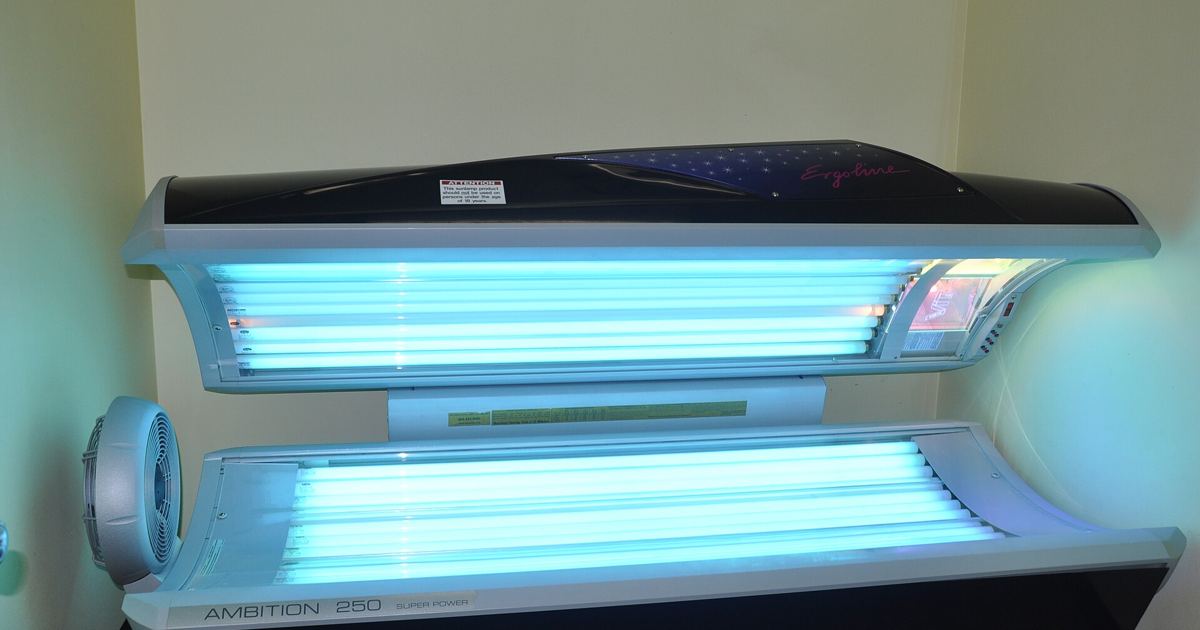
Commercial tanning devices emit ultraviolet radiation, and the US Food and Drug Administration has classified tanning beds as carcinogenic. In response to these health risks, most states have enacted legislation to prevent or create barriers for minors accessing commercial tanning establishments. However, statutory rules only protect public health if facilities follow them. In a comparative study published in JAMA Dermatology, researchers assessed how well salons adhered to statutory age restrictions. This checklist outlines the study design, key findings, and methodological boundaries from this research to help readers evaluate the evidence objectively.
Checklist Point 1: Study Design and Sampling Methods
To evaluate statutory adherence without altering employee behavior, investigators utilized a secret shopper methodology. When assessing this investigation, readers should note the following design parameters:
- Study format: The investigation was conducted as a cross-sectional telephone survey. Callers posed as minors attempting to schedule an appointment for UV tanning.
- Timeframe: Data collection took place between February 1, 2015, and April 30, 2016.
- Geographic scope: The setting encompassed tanning salons located in the 42 states and the District of Columbia that had legislation restricting tanning bed use in minors at the time.
- Sample size: The study included 427 tanning salons, with 10 facilities randomly selected from each eligible state or territory.
As documented in the Tanning Salon Compliance Rates in States With Legislation to Protect Youth Access to UV Tanning report, the primary objective was to determine compliance rates and identify differences across community size, salon ownership structure, geographic region, regulated age tiers, and statutory age.
Checklist Point 2: Baseline Noncompliance Rates
The headline metric of the investigation was whether salons refused to schedule an appointment for a caller identifying as an underage patron:
- Across all 427 tanning salons surveyed, overall noncompliance with state legislation was 37.2% (n = 159).
- More than one-third of contacted salons agreed to schedule an appointment despite statutory restrictions designed to prevent youth access.
These findings led researchers to conclude that salon compliance with state legislation intended to restrict minor access remains unsatisfactory. Readers evaluating broader risks can review Tanning Beds and UV: What the Evidence Says About Skin Cancer Risk to understand why health authorities monitor youth exposure so closely.
Checklist Point 3: Facility Characteristics and Geographic Patterns
The study demonstrated that noncompliance was not uniform across all types of businesses or locations. The checklist of significant differences includes:
- Location density: Noncompliance was higher in rural locations at 45.5% (95% CI, 37.5%-53.7%; P = .009).
- Regional location: Salons located in southern regions of the United States exhibited a noncompliance rate of 49.4% (95% CI, 41.4%-57.4%; P = .001).
- Ownership structure: Independently owned salons had a noncompliance rate of 43.9% (95% CI, 37.3%-50.6%; P = .003), showing poorer adherence than chain facilities.
The investigators noted that these specific sectors—rural facilities, independently owned businesses, and southern establishments—demonstrated decreased compliance rates that warrant targeted enforcement and education.
Checklist Point 4: Statutory Complexity and Law Duration
The researchers also analyzed how the structure of the underlying legal restriction affected operational compliance:
- Regulated age bracket: States with younger age groups being regulated showed higher noncompliance at 53.5% (95% CI, 45.7%-61.2%; P < .001).
- Multiple rules: In states with more than one tanning regulation, the noncompliance rate was 50.0% (95% CI, 42.0%-58.0%; P < .001).
- Duration of law: The study found no difference in compliance rates based on the time since the law was enacted, suggesting that statutory age alone does not naturally improve adherence over time.
Checklist Point 5: Study Limitations to Keep in Mind
When reviewing scientific literature, it is critical not to overstate findings or generalize beyond the experimental protocol. Important limitations of this paper include:
- Single study framework: This represents a single cross-sectional investigation rather than a pooled meta-analysis.
- Telephone vs. in-person interaction: The study tested whether staff would schedule an appointment over the phone for a minor caller. It did not track whether staff would have demanded identification or turned the minor away upon physical arrival at the storefront.
- Sample limits: Selecting 10 salons per state provided an overview across jurisdictions, but local municipal regulations or variations within individual states could not be fully captured.
Checklist Point 6: Evidence-Based Skin Protection
Because the FDA classifies tanning beds as carcinogenic, relying on regulatory enforcement alone is insufficient to protect youth health. Health authorities advocate for direct education on the harmful effects of UV tanning. Consumers researching skin changes should also avoid unapproved online substances, such as melanotan peptides, which lack regulatory approval and consumer safety oversight. For individuals seeking guidance on skin health, consulting a licensed doctor or board-certified dermatologist remains the gold standard. To learn about legal distinctions regarding tanning agents, see What Is Melanotan? Legal Status Explained.
Sources
Primary research analyzed in this review:
- Tanning Salon Compliance Rates in States With Legislation to Protect Youth Access to UV Tanning. (PubMed PMID 29071349; JAMA Dermatology, 2018).
Published October 28, 2026. Sources are linked in the text. See our Medical Disclaimer.